Kamakura is a historic city located southwest of Tokyo, on the Japanese island of Honshu. The city is known for its rich cultural heritage, historical monuments, as well as beautiful coastal landscapes. Here is a more detailed description of the history of Kamakura:
Founding and early history: The city of Kamakura was founded at the end of the twelfth century (1185) by the Minamoto-tsunamoto Kamakura state after winning the Battle of Dannur. This was the period when Japan experienced an era known as Kamakura, after this city.
Kamakura Period (1185-1333): The Kamakura state became the first shogunate in Japan, effectively separating the force from the emperor in Kyoto. The city became a center of political and military power and a center of Buddhist culture. Many historical temples and shrines have survived from this period, such as Hashimangu and Tosso-ji.
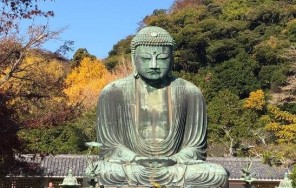
Buddhist temples and sanctuaries: Kamakura is famous for its many Buddhist temples and shrines. One of the most famous is Kotoku-in, home of a large wooden bronze statue of Amida Buddha. Another significant temple is the Hokoku-ji, which is known for its beautiful garden.
Campo-era (1333-1573): After the fall of Kamakura Shogunat, power passed to Ashikaga, and the Muromachi period began. During this time, temples and sanctuaries continued to be built and flourished in Kamakura. The culture of the tea ceremony was also developed.
The Edo era (1603-1868): During the Edo era, Kamakura became a popular holiday destination among the Samurai and their families. Many temples have been restored and renovated. The city also served as an important trading center.
Modernity: During the Meiji period (1868-1912), Kamakura retained its cultural and historical value. Today it is a popular destination for tourists, attracting them with its historical monuments, beautiful beaches and traditional Japanese atmosphere.
Attractions: Among the key attractions is the Kamakura-ji, an incomparable temple with a huge bronze statue of Buddha, as well as the Syarai Tower, which provides stunning views of the city and the surrounding area.
The city of Kamakura continues to attract tourists and explorers with its rich history, culture and beautiful natural scenery.
Interesting places and entertainment in Kamakura
The city of Kamakura in Japan is a magnificent travel destination, combining a wealth of history, cultural heritage, beautiful coastal scenery and an authentic Japanese way of life. Here are a few factors that make Kamakura attractive to tourists:
Historical heritage: Kamakura is rich in history, since the founding of Kamakura Shogunate in the XII century. Tourists can immerse themselves in the atmosphere of the time of the Samurai by visiting temples and sanctuaries such as Kotoku-in, where the majestic statue of Amida Buddha is located.
Cultural attractions: The city is famous for its tea ceremonies and traditional Japanese gardens. Tourists can visit Hokoku-ji to enjoy a beautiful Japanese garden, or participate in a tea ceremony to immerse themselves in Japanese culture.
Kamakura-ji and Gyongoku-ji Temple: Kamakura-ji is a famous temple with a majestic bronze Buddha statue over 11 meters high. This magnificent building attracts tourists from all over the world. Gyongoku-ji Temple is also known for its cultural value and beautiful garden.
Coastal landscapes and beaches: Kamakura is located off the sea coast, which creates amazing coastal scenery. Tourists can enjoy walking along the beaches, enjoy the ocean view and visit a cafe overlooking the water.
Traditional atmosphere: The city has preserved the traditional Japanese atmosphere with narrow streets, ancient temples and shrines. This place provides tourists with the opportunity to plunge into the unique culture of Japan and feel its authenticity.
Wide selection of souvenirs and culinary pleasures: In the city center, tourists will find many shops with traditional Japanese souvenirs, as well as restaurants offering a rich selection of local cuisine. This creates an opportunity to immerse yourself in the variety of tastes and smells of Japanese cooking.
The combination of history, cultural wealth, nature and authentic atmosphere make Kamakura a unique and attractive place for travelers and tourists.
The city of Kamakura in Japan offers a wide range of accommodation options for tourists, ranging from luxury hotels to more affordable and cost-effective options. Here are some examples of different levels of hotels and other accommodations:
Luxury hotels:
The Ritz-Carlton, Kamakura: This hotel offers upscale service and amazing ocean views. Luxury rooms, restaurants with fine cuisine and well-groomed gardens make it an excellent choice for a luxurious holiday.
Hoshino Resorts KAI Hakone: It is located near Kamakura in Hakon. This resort offers unique riocan rooms with modern design and thermal springs.
Middle-class hotels:
Hotel Kamakura Mori: A cozy hotel with modern facilities and traditional Japanese style. Located near the main tourist attractions.
Kamakura Prince Hotel: A hotel offering comfortable rooms with ocean views. Located near Yuigahama Beach.
Economical options and guest houses:
Kamakura Guest House: Economical accommodation option with simple but cozy rooms. Common areas and kitchen are available for guests.
ZEN Guesthouse Kamakura: This guest house offers budget accommodation options in a traditional Japanese setting. It has shared spaces and access to the kitchen.
Authentic Japanese Riocans:
J-Mex Guesthouse: This riocan offers an authentic Japanese guesthouse-style experience with tatami and futons.
Kamakura Park Hotel: Riocan with traditional Japanese rooms and private sources. It offers an atmosphere of traditional living.
The choice of accommodation in Kamakura depends on the preferences of travelers and their budget. The city offers a variety of options so that everyone can enjoy their stay in this historic and cultural place.
Where to go and what to see in Kamakura
The city of Kamakura in Japan is rich in historical and cultural attractions. The main places of interest include temples, sanctuaries and monuments, as well as natural attractions. For travelers interested in transport accessibility, it is important to know how convenient it is to get to these places. Here are a few key attractions and information about transport accessibility:
Kotoku-in:
Transport: Available by JR Yokosuka Line train from Tokyo or Shinagawa Station to Kamakura Station. Then you can walk to Kotoku-in on foot, it will take about 10-15 minutes.
Kamakura Daibutsu:
Transport: Located near Kamakura Station, which is accessible by JR Yokosuka Line trains. From the railway station to Kamakura-ji you can walk in 15-20 minutes.
Hokoku-ji:
Transport: From Kamakura station you can use buses or taxis. You can also walk from the station, it will take about 20 minutes.
Hachimangu Shrine:
Transport: Close to Kamakura Station, accessible by JR Yokosuka Line trains. The walking distance from the station is about 10-15 minutes.
Yuigahama Beach:
Transport: The beach is located near Kamakura Station. You can walk from the station in 10-15 minutes. Access by bus is also possible.
Tsurugaoka Hachimangu Shrine:
Transport: Located in the center of Kamakura, a few minutes walk from the station. Kamakura Station is served by JR Yokosuka Line and Enoshima Electric Railway.
Yokosuka (Enoshima Electric Railway):
Transport: The Enoshima Electric Railway connects Kamakura to Fujisawa and Enoshima, providing a convenient way to reach coastal areas.
Kamakura is well served by public transport, making visiting all these attractions easy and convenient for tourists. A variety of transport options, including trains, buses and walking routes, allow you to explore the city and its surroundings without difficulty.
Cultural life and activities in Kamakura
The city of Kamakura hosts various events, holidays and festivals throughout the year. Each season brings unique events reflecting Japan’s rich cultural and historical tradition. Here are some popular events in Kamakura:
Hanami at Kamakura (spring):
In spring, usually in April, in Kamakura you can enjoy the beautiful view of cherry blossoms in local parks, including Turji and Hokoku-ji. Hanami are traditional picnics under flowering cherry trees.
Grand Hachimangu Festivals (May and September):
Hachimangu festivals are held in May and September at the Turji Temple. These are colorful events with parades, music and traditional Japanese dances.
Yoro Festival (August):
In August, Kamakura hosts the Yoro Festival, dedicated to earthquake protection and city safety. The festival includes parades and traditional cultural events.
Events of the season of lights (December):
In December, events with candles and lanterns are often organized in Kamakura, creating an amazing atmosphere in the run-up to the New Year.
New Year celebrations (January):
In early January, many temples and sanctuaries, such as Turji and Hachimangu, hold traditional New Year ceremonies and prayer services. Local traditions include visiting temples and templas to pray and receive blessings.
Cultural events and concerts:
In addition to traditional events, Kamakura also hosts various cultural events, exhibitions and concerts throughout the year. Check local ads and posters for up-to-date information.
It is recommended to specify the dates and details of events in advance, as they can vary from year to year. Visiting these events will help you to delve deeper into the atmosphere of Kamakura and appreciate its unique cultural traditions.
Weather conditions for travel to Kamakura
Climate in Kamakura at different times of the year:
Spring (March-May):
Temperature: In spring, the air becomes warmer, the average temperature ranges from 12°C to 20°C.
Features: Cherry trees bloom at this time of year, making spring one of the most popular seasons to visit. The cherry blossom attracts crowds of tourists.
Summer (June - August):
Temperature: In summer, the air becomes warm and humid, the average temperature is about 24°C - 30°C.
Summer in Kamakura can be wet, but it is also the season for various festivals and events, such as fireworks and traditional summer festivals.
Autumn (September to November):
Temperature: In autumn, the air becomes cooler, the average temperature ranges from 15 ° C to 25 ° C.
Features: This time of year is marked by beautiful nature, especially when the leaves of the trees change colors. Autumn also provides excellent travel conditions.
Winter (December to February):
Temperature: In winter, the air becomes cool, the average temperature ranges from 5°C to 15°C.
Features: In winter, Kamakura has fewer tourists, which makes the city more peaceful. However, you can also enjoy Christmas and New Year decorations here.
The best season to visit Kamakura: The best time to visit Kamakura depends on your preferences. Spring with its cherry blossoms provides a unique experience, summer brings many festivals, and autumn delights with colorful forests. Autumn is probably considered the best season for tourism due to the more comfortable weather and beautiful autumn landscape.
What traditions and customs should be observed in Kamakura
The language of communication in Japan is Japanese, and although many Japanese can understand and speak a little bit of English, the main forms of communication are best conducted in their native language. In Kamakura, as in other parts of Japan, the observance of traditions, customs and laws is an important part of courtesy and respect. Here are a few key points:
Greetings and goodbyes:
Greetings are often accompanied by bowing, especially when meeting older or more important people.
Farewell can also include a bow and expression of gratitude, such as "arigato gozaimas" (thank you) or "sayonara" (goodbye).
Shoes:
When visiting houses, temples or some restaurants, it is customary to take off your shoes. Slippers are usually provided for use inside.
Lines:
Compliance with the queue is an important rule in Japan. Approach the subway, buses, store entrances or other places where there is a queue, with respect for others.
Silence in public places:
In public places, such as trains and buses, silence is usually maintained so as not to disturb other passengers. Telephone conversations are usually conducted in silent mode.
Formality in communication:
Addressing people by name with the addition of “san” (mistress) is a common form of respect.
Photos:
Before photographing people, especially locals, it’s best to ask for permission first.
Trash:
In Japan, there are usually no urns on the streets, so it is important to keep garbage with you and throw it away in public garbage collection areas.
Clothing when visiting temples and shrines:
When visiting temples and sanctuaries, it is recommended to avoid provocative clothing and respect cultural traditions.
Laws:
It is important to comply with laws such as the prohibition of alcohol consumption on the streets and on public transport, as well as to comply with traffic rules and other laws.
Compliance with these traditions and rules is an important aspect of respecting Japanese culture and a way to make your stay in Kamakura more enjoyable and harmonious.
Popular language phrases and dialogues for traveling to Kamakuru
When visiting the city of Kamakura in Japan, it is helpful to know a few basic phrases and words in Japanese to facilitate communication with locals. Here are some useful expressions with Russian translation and transcription:
Welcome:
Connitiva ():の):): Hello (afternoon).
Konbanwa ():の):の):): Good evening.
Oaisaimase (大):の):): Thank you for your work (after completing the task).
Polite phrases:
Arigato ():ר):ة): Thanks.
Doomo arigato gozaimasu ( 国 ة ة ) Thank you very much.
Sumimasen ():の): Excuse me, excuse me.
Gomen Nasai ():の人):): Excuse me, excuse me.
Communication:
Onamae wa (大):): What's your name?
Kore wa ikura desu ka ():大):): How much does it cost?
His Ikaga desu ka ( ): How about English?
Orientation:
Doco de ( ): Where?
Asoko ():): There.
Koko ():): Here.
Eki ():): Station, station.
Shopping and food:
Kaiten ():の): A restaurant with rotating dishes.
Hanbaga (.): Hamburger.
Osake: Alcohol.
Farewell:
Sayonara ():️の):): Goodbye.
Dza nami ():): Bye.
Remember that language is the key to local culture, and even a little diligence in using Japanese will be appreciated by locals. Try to be polite and respectful, follow traditions and stick to local customs to create a pleasant experience of traveling to Kamakura.
Food, medicines, souvenirs and gifts in memory of the city of Kamakura
The city of Kamakura in Japan is famous for its rich culture and traditional goods that can become great souvenirs. Here are some unique and useful items that you can purchase while traveling to Kamakuru:
Hokku:
Hokku is a traditional form of Japanese poetry consisting of three lines. In Kamakura, you can buy hockey written by local poets, or even order a personal hockey.
Where to buy: Souvenir shops or artists.
Match (green tea):
Green tea is an important part of Japanese culture. You can purchase high-quality match or tea sets at specialty stores.
Where to buy: Tea and gift shops.
Kimono-inspired products:
Authentic kimonos can be expensive, but you can also purchase kimono-inspired accessories such as fans, umbrellas and cosmetics.
Where to buy: Boutiques and souvenir shops.
Kamakura stone jewelry:
The city is famous for its stones, especially stones for gardens. You can purchase jewelry made from these stones, such as bracelets or pendants.
Where to buy: Souvenir shops and art galleries.
Japanese "Hato Sabure" candy:
Description: These are traditional Japanese dove-shaped candy known as Hato Sabure. They are often used as souvenirs from Kamakura.
Where to buy: shops of sweets and souvenirs.
Daruma Kamakura:
Daruma are traditional Japanese figures, usually representing the bodhisattva Daruma. In Kamakura, they are often sold with images of the main attractions of the city.
Where to buy: Souvenir shops and temples.
Kamakura lacquer products:
Description: Kamakura is known for its traditional lacquer products. You can buy lacquer trays, dishes and jewelry.
Where to buy: Souvenir shops and workshops for lacquer work.
Purchasing these unique products will help you preserve the memories of your visit to Kamakura and support local craftsmen and artists.
Rest safety and availability of travel documents to Kamakura
Security in Kamakura, Japan:
Japan in general and Kamakura in particular are known for their high level of security. Crime in this area is usually low and tourists can feel quite safe. However, as in any other place, some precautions are recommended:
Documents:
You should carry copies of important documents such as passport and visa. Originals are best stored in a safe place, providing access only when necessary.
Insurance:
Health insurance during your stay in Japan is desirable. Make sure your insurance covers medical expenses and possible medical emergencies.
Emergency services:
In Japan, the number for emergency services is 110 for police and 119 for ambulances and firefighters.
Mobile communications:
It is recommended to have a mobile phone with a local SIM card or activate roaming on your phone for communication if necessary. Mobile communication in Japan is usually well developed.
Stay without departure:
A tourist visa to Japan usually grants the right to stay up to 90 days. Before traveling, it is recommended to check the specific visa conditions in your country.
Note: It is always a good idea to examine the specific security requirements and recommendations for your country in advance from the Ministry of Foreign Affairs or the Embassy of Japan.
In general, Kamakura is a place with a high level of security, and many tourists can enjoy a quiet stay in this beautiful city.
The site uses a web analytics service
Yandex Metrics
using cookie technology to make the site more convenient. You can prevent the processing of cookies in the browser settings.
Details in Privacy policy.




 Guide license
 Guide license


