Independent tourism to the city of Copenhagen in Denmark! History of the City of Copenhagen Copenhagen, the ca...

Imagine you are in Denmark for a short visit. And in your tourist plan is listed only the capital - Copenhagen. And you want to le …

How do you not miss the most important thing and at the same time see the city as the locals see it? Copenhagen is the only capit …
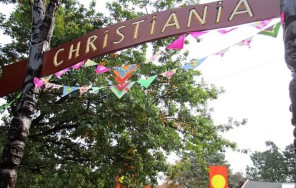
If you have already got acquainted with the capital of the Danish Kingdom and have visited all the sights, for contrast, I suggest …
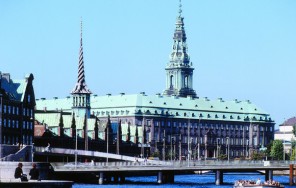
Welcome to the center of the political and economic life of the Kingdom of Denmark - the island of Slotsholmen (or Castle Island), …
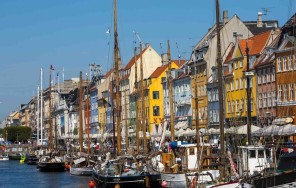
In the footsteps of G. H. Andersen He came to Copenhagen on foot at the age of 14 from Odense, where he was born and spent his ch …

Did you know that...There are more than 400 islands in the Danish kingdom, but only 75 of them are inhabited.The largest island in …
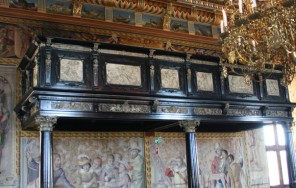
You will visit three royal castles, breathing history and shrouded in mystery. First of all, the solid Kronborg Castle or Hamle …
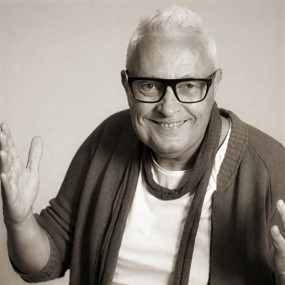
Individual and group excursions, with a licensed guide in Copenhagen. It's your first time in Denmark. Where to start, w …
 Guide license
My name is Maksim and I am a professional licensed guide to Copenhagen. I was born in the glorious city of Pyatigorsk in …
Copenhagen, the capital and largest city of Denmark, has a rich history dating back over 800 years. In the X century on the site of the present city was founded a small fishing village Havn (Havn), which later became the center of trade and fishing. In the 12th century Copenhagen became a city.
In the 15th century, the city became a major trading center of Northern Europe, and in the 16th century Copenhagen became the capital of Denmark and Norway, united in alliance with Denmark. During this period, fortresses and castles were actively built in the city, such as Kronborg, which later became famous thanks to Shakespeare's Hamlet.
In the 19th century, Copenhagen became a centre of culture and science and witnessed the development of democracy in Denmark. In the 20th century, the city played an important role in the events of World War II and then became one of the leaders in the field of social and economic development.
Today Copenhagen is a modern and dynamic city known for its architecture, cultural scene, developed infrastructure and active lifestyle of its inhabitants. The city is also famous for its commitment to environmental sustainability and high quality of life.

Copenhagen, the capital of Denmark, is a magnificent place that combines a rich historical heritage with a modern atmosphere. This unique city offers tourists a unique experience, combining cultural wealth, stylish design, environmental awareness and a cozy atmosphere. Here are some attractive features of Copenhagen:
Historical sights: Immersion in the history of Copenhagen begins with a visit to Kronborg, the symbol of Shakespeare’s Hamlet, and other famous castles. The old town with narrow streets, medieval buildings and the Royal Palace is a real historical diamond.
Contemporary art and design: Copenhagen is famous for its contemporary cultural scene. Tourists can enjoy visiting numerous galleries and museums, such as the National Gallery of Denmark and the Design Museum, where the latest design trends are presented.
Environmental awareness: Copenhagen is one of the leaders in ecology and sustainable development. Magnificent bike paths, extensive green parks and eco-friendly initiatives make the city attractive to those who value environmental care.
Gastronomic pleasures: The city is famous for its high-end restaurants and cozy coffee shops. Tourists can enjoy the richness of Danish cuisine, taste exquisite dishes and taste famous Danish desserts.
Friendly atmosphere: Copenhagen residents are known for their openness and hospitality. The city creates an atmosphere of warmth and comfort, which makes the stay of tourists pleasant and unforgettable.
Copenhagen is an ideal destination for those looking for a combination of cultural heritage, modernity and environmental responsibility in one of the most cozy and attractive cities in the world.
Copenhagen has many interesting sights, representing the historical, cultural and architectural heritage of the city. Here are some of the main attractions and their approximate distances from the city center:
Old Town (Indre By): The historic center of the city, where the Royal Palace and Parliament are located. Distance: Many famous locations are within 1-2 km of the center.
Marble Church (Marmorkirken): A magnificent church with a dome and columns. Distance: approximately 1.5 km from the center.
Nationalmuseet: The largest museum in Denmark, presenting the history and culture of the country. Distance: about 1 km from the center.
Kronborg Slot: The castle known as Elsinore in Shakespeare's Hamlet. Distance: approximately 40 km north of Copenhagen (in Helsingör).
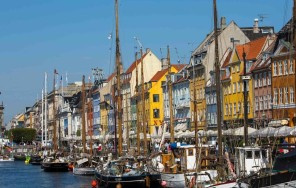
New Harbour (Nyhavn): Colorful promenade with cafes and restaurants, known for its picturesque architecture. Distance: Just a few hundred meters from the center.
Statue of the Little Mermaid (Den Lille Havfrue) Iconic statue of the sea maiden, the symbol of Copenhagen. Distance: about 3 km from the center, located at the entrance to the port.
Amalienborg Palace: The residence of the Danish royal family. Distance: approximately 1.5 km from the center.
Tivoli (Tivoli Gardens): One of the oldest amusement parks in the world. Distance: in the city center, just a few minutes walk from the old town.
These distances are approximate and can vary depending on the specific location in the city center. Copenhagen is known for its compactness and many attractions are easily accessible for walks or short trips by public transport.

The climate in Copenhagen, Denmark, is characterized by temperate seasons, making it attractive to travel at any time of the year. Here is a brief description of the climate in different seasons:
Spring (March-May):
Summer (June to August):
Autumn (September-November):
Winter (December to February):
Every season in Copenhagen offers its own unique opportunities for travelers, so the timing of your trip depends on your preferences. It is important to keep in mind that the weather may change, so it is advisable to check the forecast before traveling.

Copenhagen is a city with a high standard of living, and accordingly, the service and hotels in the city usually offer a high standard. Here is some information about comfort, prices and service levels in Copenhagen:
1. Hotels:
2. Maintenance:
3. Food and drink:
When planning to stay in Copenhagen, it is recommended to book a hotel in advance, especially during popular tourist periods. Prices can vary depending on the season, availability of events and hotel specifications, so it’s always a good idea to compare options and choose one that fits your expectations and budget.

Language: The official language in Denmark is Danish. However, most Danes speak English at a high level, and English is widely used in everyday communication, tourist establishments and at work. Thus, English can be a successful means of communication for foreign tourists.
Traditions and customs:
Laws and regulations:
It is important to remember that Denmark is a country with a high level of culture and respect for others. Compliance with traditions and rules will ensure a pleasant and carefree trip to Copenhagen.

Copenhagen hosts many interesting and diverse events, holidays and festivals throughout the year. Here are some popular events:
Copenhagen Fashion Week (Copenhagen Fashion Week) Twice a year, Fashion Week presents new collections by Danish and international designers. The event attracts the attention of famous figures of the fashion and style industry.
The Tivoli Christmas Market: On the eve of Christmas, Tivoli Gardens turns into a cozy Christmas market with bright illuminations, attractions and Christmas gifts.
Copenhagen Culture Night (Copenhagen Culture Night) It is an annual event where museums, galleries, theaters and other cultural institutions open their doors all night long. Citizens and tourists can visit various cultural sites and events for free.
Copenhagen Cooking & Food Festival: Festival of food and culinary arts, within which master classes, tastings, food tracks and other gastronomic events are held. Both local and international chefs participate.
Constitution Day: June 5 is Constitution Day, a national holiday in Denmark. On this day there are festive events, parades and festivals.
Kulturnatten (Night of Culture): An annual event where citizens can visit various cultural sites, including museums, galleries, theaters, and participate in various cultural events for free.
Open House Days (Open House Copenhagen) An event where visitors can visit various architectural sites, houses and buildings that are normally closed to the general public for free.
These events bring many tourists to Copenhagen and create unique opportunities for immersion in the local culture, art and entertainment. Before traveling, it is recommended to check the schedule of events and festivals on official websites for up-to-date information.
When traveling to Copenhagen, it is helpful to know some basic words and phrases in Danish. Here are some key words and expressions translated into Russian and transcripted:
Note that most Copenhagen residents speak English, but showing respect for their language is always appreciated and can create a warmer atmosphere during your trip.
In Copenhagen, as in any other city, you can find unique products, souvenirs and even medicines. Here are some ideas to bring from a trip to this beautiful Danish city:
Remember that the choice of souvenirs depends on your interests and preferences. No matter what you choose, this will be a great way to preserve the memories of your stay in Copenhagen.

Copenhagen is considered a relatively safe city for tourists. However, as in any major city, basic precautions should be taken. Protect your valuables, especially in public places, avoid dark and empty streets at night, and keep an eye on your personal belongings on public transport.
Documents:
Insurance:
Emergency services:
Mobile communications:
Duration of stay:
Create a query and local guides will offer you the best options