Independent tourism and recreation in the city of Tarifa Historical information about the city of Tarifa Tarif...
Tarifa is the southernmost city of continental Europe and one of the oldest settlements in southern Spain. It is located on the shores of the Strait of Gibraltar, where the waters of the Mediterranean Sea and the Atlantic Ocean meet. Due to its unique geographical position, Tarifa has been an important port, military fortress and trading center connecting Europe and Africa for more than three thousand years.
Ancient settlements
The history of Tarifa begins in ancient times. Archaeological finds indicate that the first settlements existed here already in the II millennium BC. Thanks to the convenient natural harbor, people engaged in fishing, maritime trade and exchange of goods with the inhabitants of North Africa.
Later, the coast began to explore the Phoenicians - the famous sailors of the Eastern Mediterranean. They founded trading stations in the south of modern Spain through which metals, fabrics, glass, ceramics and precious products were transported. Due to its favorable location, Tarifa gradually became part of an extensive trade network linking the Mediterranean with the Atlantic.
Carthaginian
In the VI-III centuries BC, the region was influenced by Carthage. The Carthaginians actively used Tarifa harbor to supply their fleets and trade with the Iberian Peninsula. Numerous merchant and military vessels passed through the strait, and the local population was engaged in fishing, salt production and the famous garum fish sauce, which was in great demand throughout the Mediterranean.
Roman era
After the Second Punic War, the territory came under the rule of ancient Rome.
The Romans greatly fortified the port and built roads connecting it to other cities in southern Spain. Thanks to the development of maritime trade, the city prospered. Its main occupations were fishing, salt mining, seafood processing and trade with other Roman provinces.
In the vicinity of modern Tarifa, archaeologists have discovered the remains of Roman villas, fish saline workshops and ancient roads.
Visigothic
After the collapse of the Western Roman Empire in the fifth century, the territory became part of the Visigoth Kingdom.
The economic activity of the city decreased slightly, but due to its favorable position, the harbor continued to be used by merchant ships and fishermen.
Founding of the Arab City
A new stage of history began in 710, when the Arab commander Tarif ibn Malik landed on this coast with a small reconnaissance detachment. In his honor, the future city was named Tarifa.
This landing was a kind of preparation for the subsequent Arab conquest of the Iberian Peninsula, which began the following year.
Under Muslim rule, Tarifa quickly became a powerful fortress protecting the entrance to the Strait of Gibraltar. Fortress walls, towers, mosques, residential neighborhoods and markets were built.
The city became an important center of trade between Muslim Spain and North Africa. Spices, fabrics, gold, leather, weapons and agricultural products were transported through the port.
Medieval wars
Since the eleventh century, Tarifa has been the object of numerous struggles between various Muslim states and Christian kingdoms.
In 1292, the city was captured by King Sancho IV after a long siege.
One of the most famous events in the history of the city was the Siege of Tarifa in 1294. During her time, the commander of the garrison, Alonso Perez de Guzman, refused to surrender the fortress, despite the threat of the execution of his son. According to legend, he even threw his dagger to the besiegers, saying that honor and duty to the country are more important than personal tragedy. After these events, he received the nickname Guzman the Good, and the story became one of the most famous legends of medieval Spain.
The Age of Great Geographical Discoveries
After the completion of the Reconquista, the value of the Tariff increased again.
Through the Strait of Gibraltar were merchant ships heading from the Mediterranean to the Atlantic Ocean. Although the main Spanish ports were Seville and Cadiz, Tarifa continued to serve as a defensive fortress and observation post.
Watchtowers were built on the coast to protect against attacks by North African pirates.
nineteenth century
During the Iberian War, the city was repeatedly attacked by French troops.
In 1811-1812, Tarifa successfully withstood the siege of Napoleon Bonaparte’s army thanks to the joint defense of Spanish and British troops.
After the war, the city gradually recovered and continued to develop as a fishing port.
XX century
In the first half of the twentieth century, the economy of Tariffs was based mainly on fishing and agriculture.
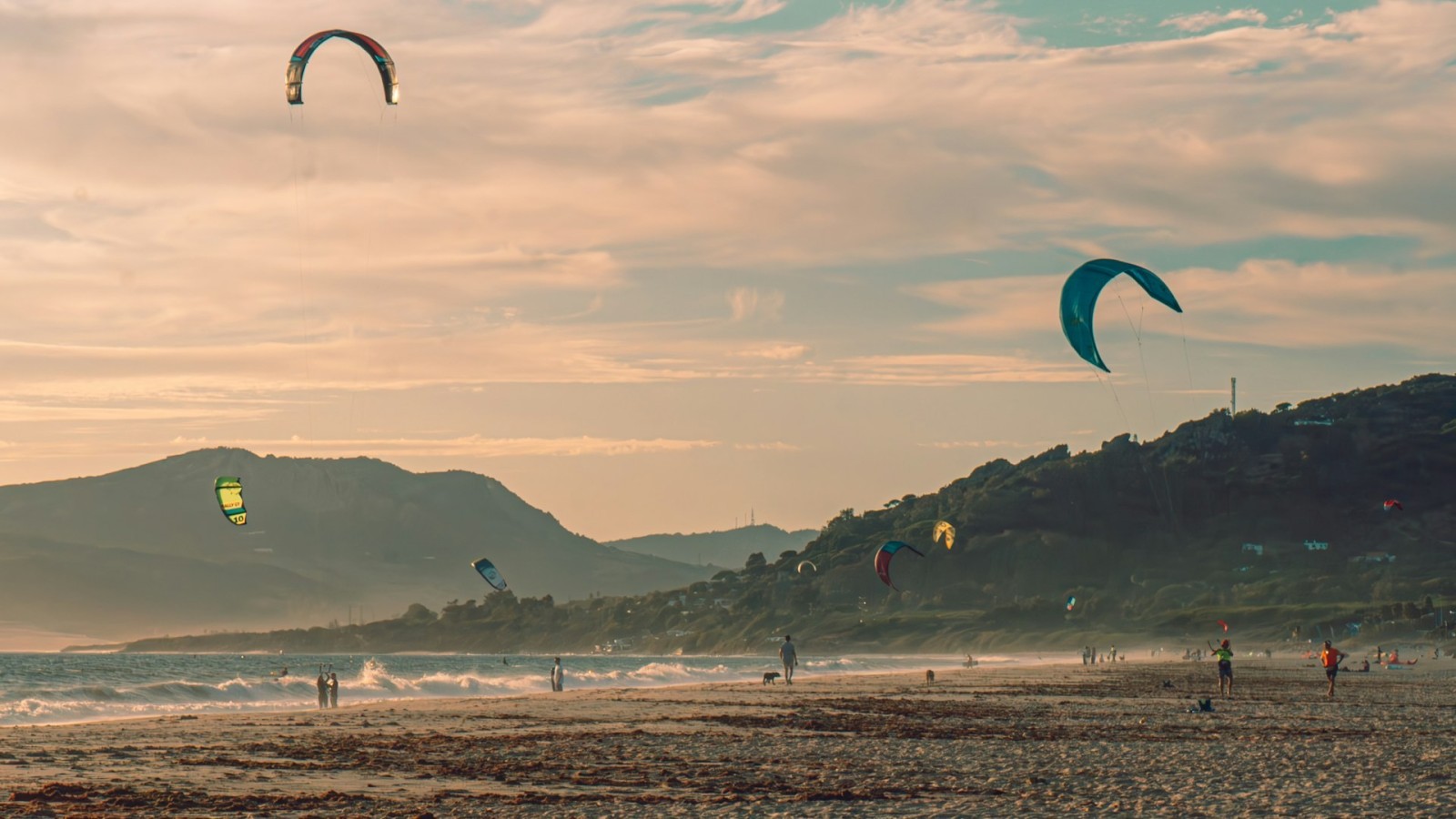
In the second half of the century, the city began to develop rapidly thanks to tourism. Strong and stable winds have made Tarifa one of the best places in the world for windsurfing and kitesurfing.
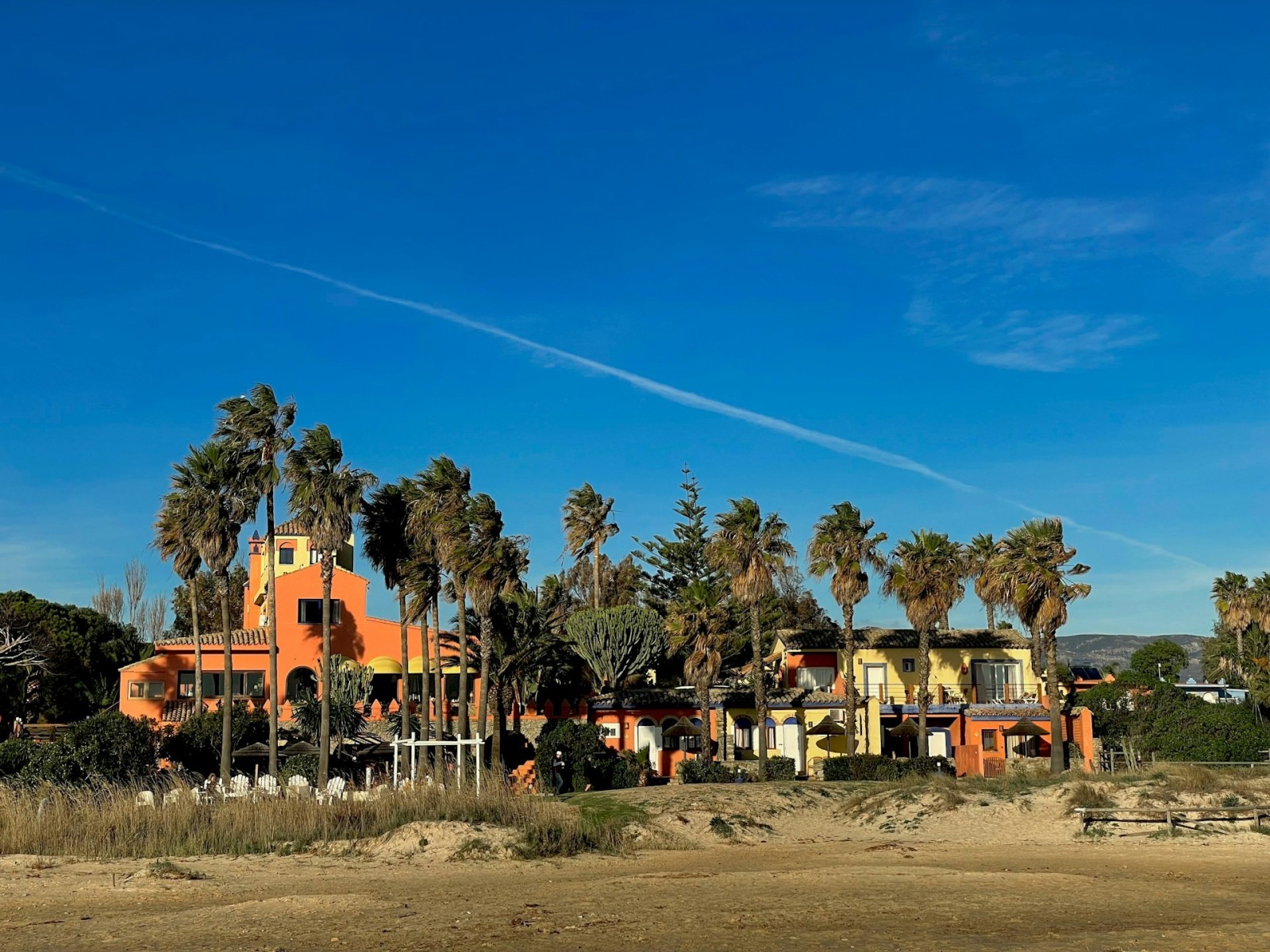
Modern hotels, water sports schools, yacht berths, restaurants and tourist infrastructure appeared.
The regular ferry service to Tangier has turned the city into an important transport hub between Europe and Africa.
Modern Tariff
Today Tarifa is a popular resort, annually receiving hundreds of thousands of tourists from all over the world.
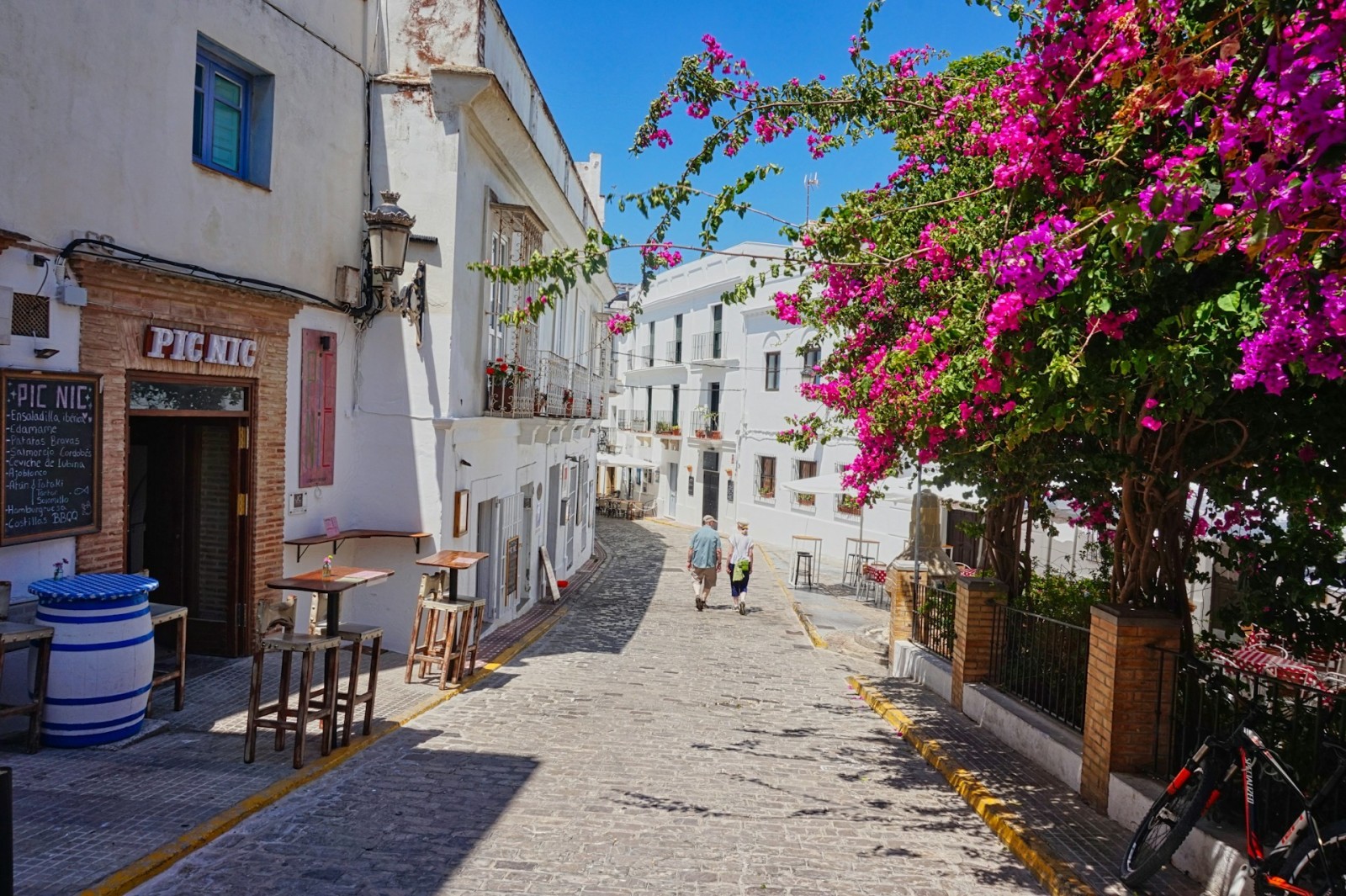
The city managed to preserve the medieval layout of the historic center with narrow cobbled streets, white houses and ancient fortress walls. At the same time, modern hotels, restaurants, outdoor recreation centers and water sports schools work here.
Tarifa is considered the world capital of kitesurfing and windsurfing due to its unique wind conditions. In addition, ferries to Morocco depart from here, sea excursions to watch whales and dolphins, as well as walks in natural parks are organized.
Historical atmosphere
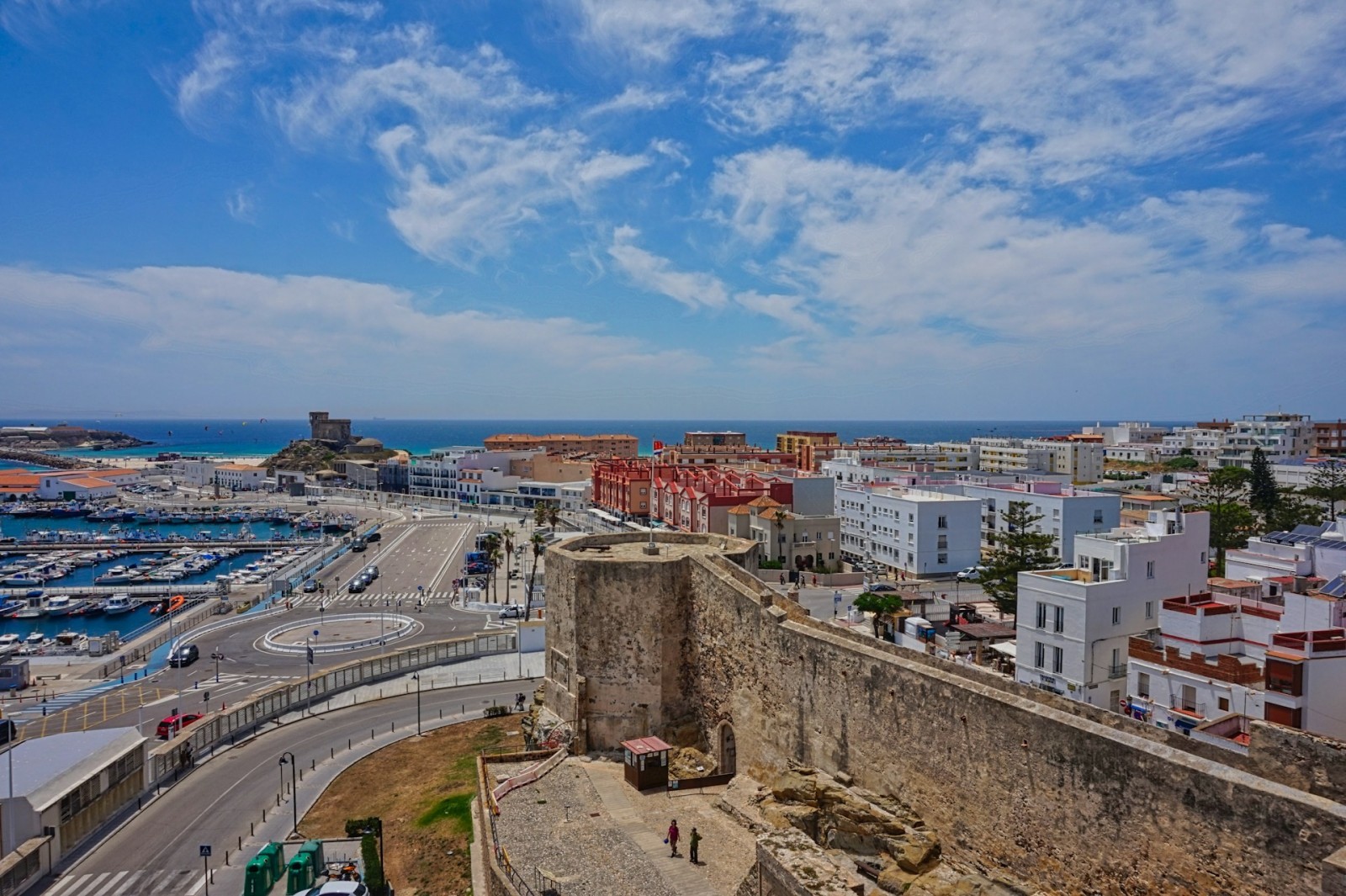
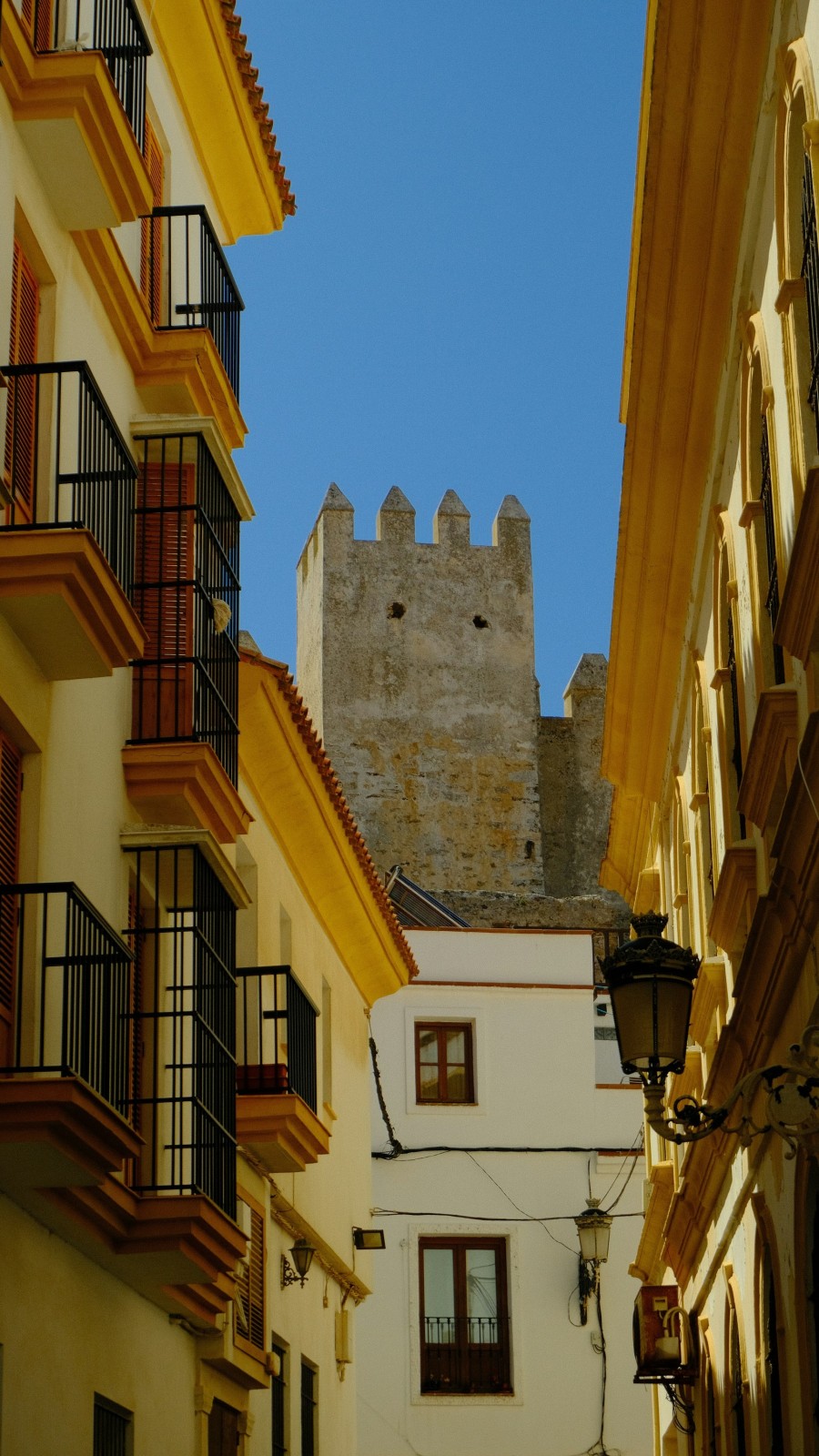
The historical center of Tarifa has preserved the layout of the Middle Ages. Narrow cobbled streets, snow-white houses with bright flowers on balconies, cozy squares and ancient fortress walls create a unique atmosphere of the Andalusian city.
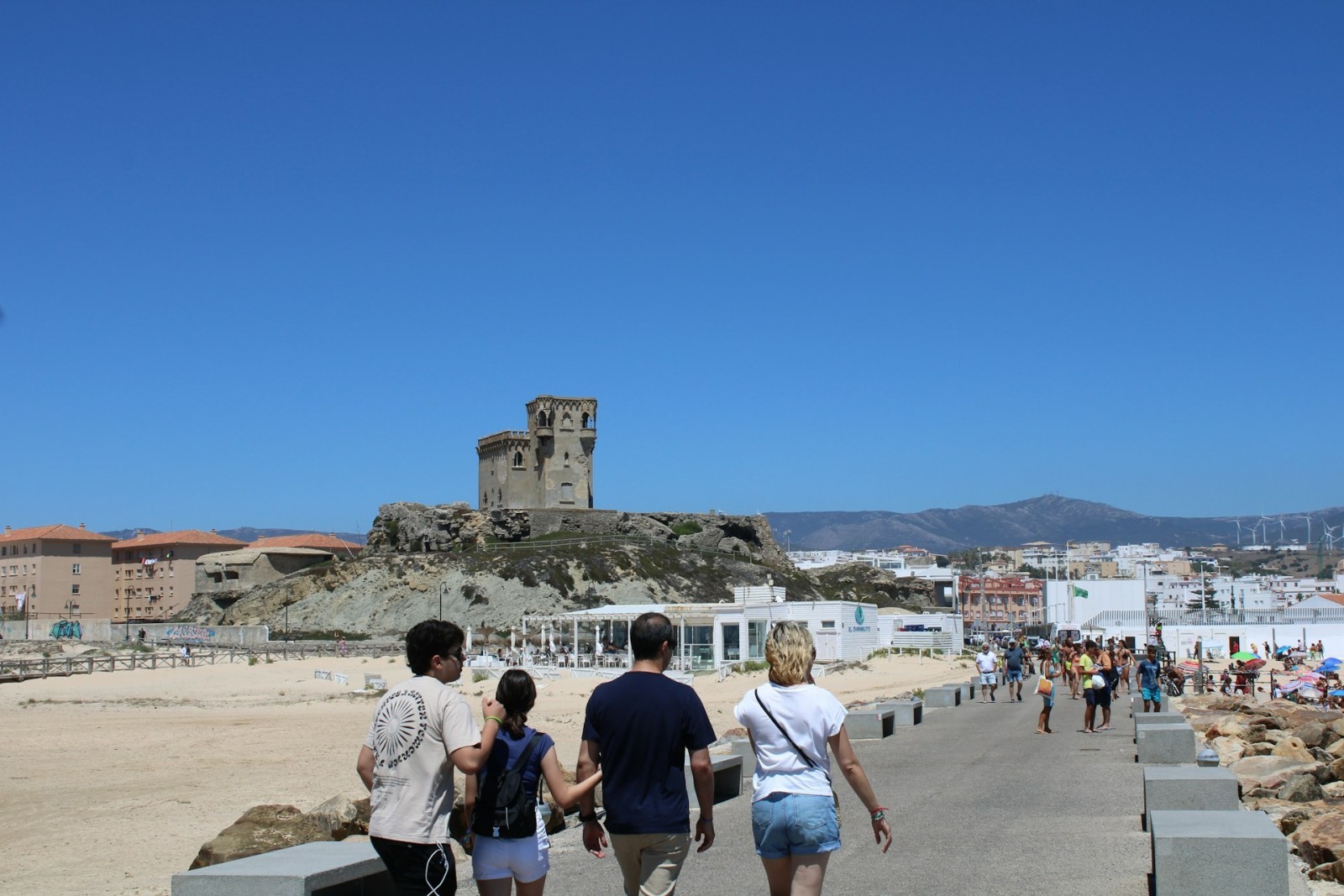
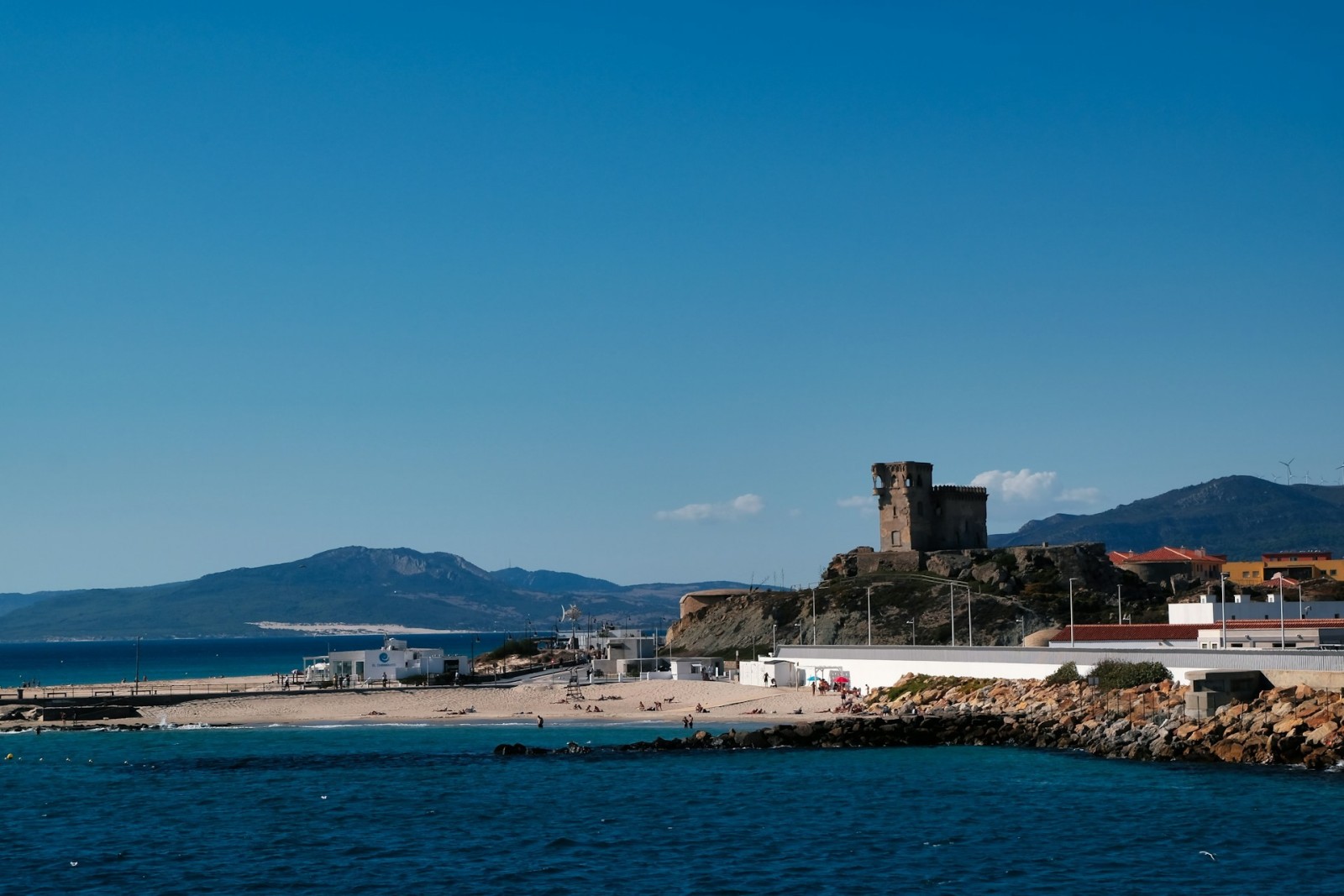
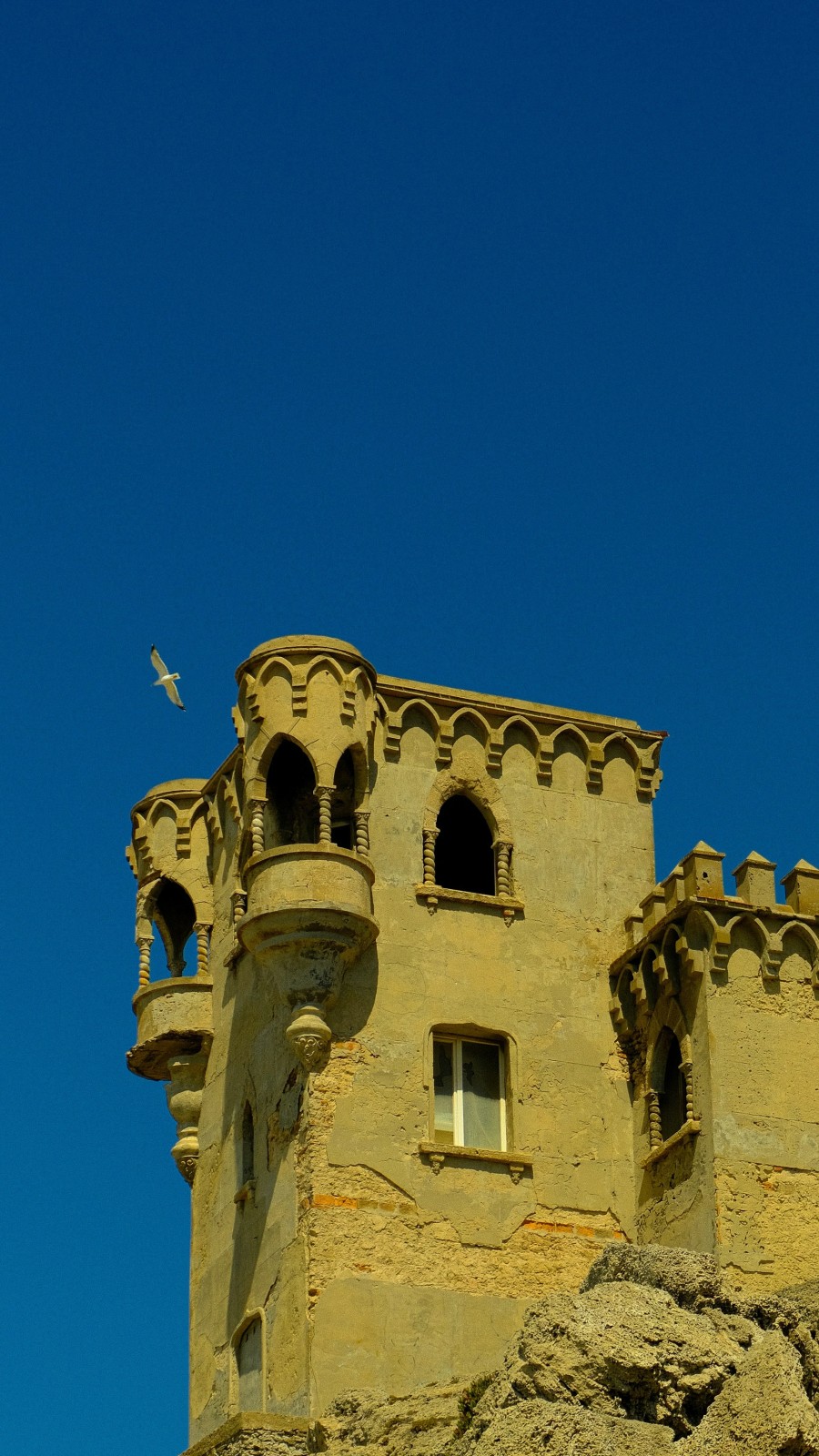
The main symbol of Tarifa is the Castle of Guzman the Good, built in the X century. From the walls of the fortress there are beautiful views of the sea, port and coast of Africa.
History lovers will be interested in visiting the ancient city gates, ancient churches, archaeological monuments and numerous museums telling about the centuries-old history of the city.
Beaches and sea recreation
Tarifa is famous for its wide sandy beaches, which are considered one of the best in Spain.
Especially famous beaches:
Playa de los Lances is a long sandy beach popular among kitesurfers and walkers.
Playa de Valdevaqueros is one of the best places in Europe for windsurfing and kitesurfing.
Playa Chica is a calm city beach suitable for family holidays.
Clean water, golden sand and magnificent views make a holiday on the coast especially attractive.
World capital of kitesurfing
Due to the constant strong winds, Tarifa is considered one of the best places in the world for kitesurfing and windsurfing.
There are dozens of sports schools, equipment rental points and professional instructors. Even if you have never practiced these sports before, you can get trained and try your hand under the guidance of experienced coaches.
Every year the city hosts international kitesurfing competitions, attracting athletes and spectators from all over the world.
Unique nature
Tarifa is located next to two natural parks: Estrecho Nature Park and Los Alcornocales Natural Park.
Here you can see:
picturesque rocks and sand dunes;
Rare bird species during seasonal migration
dolphins and whales in the waters of the Strait of Gibraltar;
dense cork forests and mountain routes.
Tarifa is considered one of the best places in Europe to watch bird migration between Europe and Africa.
Sea trips
One of the most popular entertainments is sea excursions.
During the walk, tourists can see:
dolphins;
killer whales;
sperm whales;
grind;
Finvals.
The best time for such excursions is from April to October.
Proximity to Morocco
One of the unique features of the city is the opportunity to get to Tangier by ferry in just an hour. Many travelers combine a holiday in Spain with a day trip to Africa, which allows you to get acquainted with two countries and two cultures in one trip.
gastronomy
Tarifa is known for dishes of fresh seafood and fish.
You should definitely try:
red tuna caught in the Strait of Gibraltar;
fried squid;
shrimp;
octopus;
seafood paella;
gazpacho
jamon;
local Andalusian wines.
Hotels 4 stars
Four-star hotels are suitable for tourists who prefer a high level of comfort, modern rooms, swimming pools, spa centers and a convenient location near the beach or historical center.
Popular options:
Hotel Tarifa Lances, a member of Radisson Individuals, is one of the city’s best hotels near Los Lances Beach. It offers several swimming pools, a spa, a restaurant, a fitness room and spacious modern rooms.
Hotel Convento Tarifa is a cozy boutique hotel in a former monastery near the Old Town.
Silos19 Suites is a stylish boutique hotel in the historic center with designer rooms.
Hotel & Spa La Residencia Puerto is a modern hotel with a panoramic rooftop pool, views of the port and Morocco, as well as its own spa complex.
Such hotels are chosen by families, couples and travelers who value comfort and a high level of service.
Mid-range hotels
This is the most popular category of housing in Tariff. Such hotels offer comfortable rooms, convenient location and a good price-quality ratio.
Popular options:
Hotel La Mirada is located near the historic center and beaches.
Hostal Tarifa is a popular option near the city center.
Mesón de Sancho is a hotel in traditional Andalusian style, located near Tarifa among the natural scenery.
Hotel La Torre is a cozy hotel near natural beaches, popular among kitesurf lovers.
Economical hotels and guest houses
For tourists with a limited budget, there are many small family hotels and boarding houses in Tarifa.
Popular options:
Hostal El Asturiano is one of the best budget options in the city.
Hostal Gravina is located in the heart of the Old Town.
Hostal Africa is a small cozy guest house near the beach.
Hostal Alameda is located next to the central square.
Hospedaje Villanueva Tarifa is a good option for a relaxing holiday.
Hostels and surf camps
Tarifa is considered the European kitesurfing capital, so youth hostels and surf camps are especially popular here.
Popular options:
Tarifa Kite Hostel is a favorite place for kitesurfers and independent travelers.
The Cocotera Hostel & Coworking is a modern hostel with a remote work area.
South Hostel Tarifa is a budget accommodation close to sports schools.
Lion Hostel Tarifa & Kiteschool combines accommodation with kitesurfing training.
Alborada is a cozy option in the city center.
Such options are particularly popular among young travelers, athletes and digital nomads.
Apartments and holiday homes and
For family holidays or long-term stay, many tourists rent apartments and houses.
Popular options:
El Palacio del Viento is a modern apartment in the historic center.
Cortijo El Pozuelo is an apartment close to the beach and natural parks.
The apartments are usually equipped with a kitchen, washing machine and everything necessary for independent living.
1. Castillo de Guzmán el Bueno (Castle of the Good)
The main historical monument of the city, built in the X century during the Arab rule. The fortress is named after the Spanish commander Alonso Perez de Guzman, who became famous for the heroic defense of the city in the XIII century. From the walls of the castle there are magnificent views of the Strait of Gibraltar, the port of Tarifa and the coast of Morocco.
Transport accessibility:
The castle is located in the historical center of the city, near the port. From the bus station to it can be reached on foot in 10-15 minutes.
2. The Old Town (Casco Histórico)
The historic center of Tarifa has preserved the atmosphere of medieval Andalusia. Narrow cobbled streets, white houses with flowering balconies, cozy squares, ancient churches, small cafes and craft shops make a walk especially pleasant.
On the territory of the Old Town there are numerous restaurants, souvenir shops and art galleries.
Transport accessibility:
Located downtown. Most streets are pedestrian, so it is more convenient to explore the sights on foot.
3. Puerta de Jerez Gate (Puerta de Jerez)
The only surviving city gate of the XIII century. They were once the main entrance to the fortified Tarifa. Today it is one of the symbols of the city and a popular place for photographs.
Transport accessibility:
They are only a few minutes walk from the bus station and the central square.
4. St. Matthew's Church (Iglesia de San Mateo Apóstol)
The main Catholic church of the city, built in the XVI century on the site of the former mosque. The church combines elements of Gothic, Renaissance and Baroque architecture. Inside you can see beautiful altars, ancient icons and works of religious art.
Transport accessibility:
Located in the heart of the Old Town, a short walk from the main tourist streets.
5. Punta de Tarifa (Punta de Tarifa)
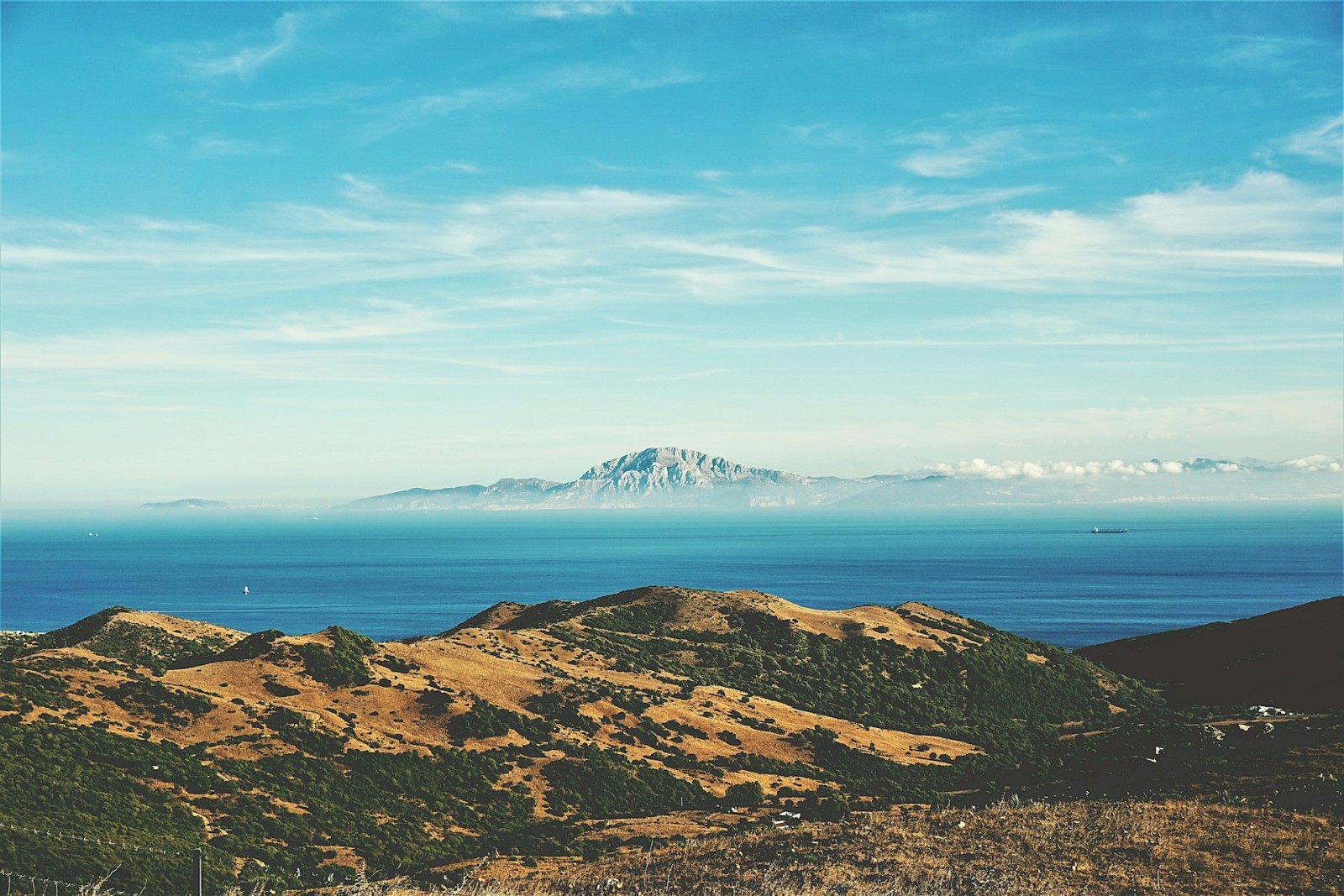
The southernmost point of mainland Europe. There is a memorial sign indicating the meeting place of the Mediterranean Sea and the Atlantic Ocean. In clear weather, you can clearly see the coast of Morocco, located just a few kilometers away.
This is one of the most popular places to watch the sunset and take pictures.
Transport accessibility:
It is about 20 minutes walk from the city center or a few minutes by car.
6. Playa Chica Beach (Playa Chica)
A small city beach with clean calm water. Due to the lack of strong waves, it is great for swimming, relaxing with children and snorkeling.
Transport accessibility:
The beach is located next to the port, about a 10-minute walk from the Old Town.
7. Los Lances Beach (Playa de Los Lances)
The most famous beach of Tarifa is about 10 kilometers long. Due to the constant winds, it is considered one of the best places in Europe for kitesurfing and windsurfing. There are water sports schools, equipment rental points, cafes and beach bars.
Transport accessibility:
It is located about 2 kilometers from the city center. It can be reached on foot in 25-30 minutes, by bicycle, car or seasonal bus.
8. Valdevaqueros Beach (Playa de Valdevaqueros)
One of the most picturesque beaches of Andalusia with white sand and crystal clear water. This is a popular place among professional athletes and beginner kitesurfing lovers.
Nearby are surf schools, restaurants and observation decks.
Transport accessibility:
The beach is about 10 kilometers from the center of Tarifa. You can get there by car, taxi or bus.
9. Ruins of the ancient Roman city of Baelo Claudia
One of the best preserved archaeological sites in Spain. Here you can see the ancient Roman theater, forum, basilica, temples, residential areas and the remains of fish processing enterprises.
There is a modern museum on the territory.
Transport accessibility:
Located about 22 kilometers from Tarifa near the beach of Bologna. You can get there by car or intercity bus.
10. Natural Park of Estrecho (Parque Natural del Estrecho)
The National Nature Park occupies the coast of the Strait of Gibraltar. There are walking routes, observation platforms, beautiful cliffs and places for observing migratory birds.
There are also magnificent views of Africa.
Transport accessibility:
The main routes can be reached by car in about 10-20 minutes from the city center.
11. The Los Alcornocales Natural Park
One of the largest natural parks in Spain, known for its cork oaks, mountain trails, waterfalls and rich flora and fauna.
It is a great place for hiking, cycling and observing nature.
Transport accessibility:
The park is located about 20-30 kilometers from Tarifa. It is best to travel by car or as part of an excursion.
12. Sea trips along the Strait of Gibraltar
One of the most popular entertainments of the city is boat excursions to observe dolphins, killer whales, sperm whales and other marine animals.
The best time for such walks is from April to October.
Transport accessibility:
All excursions depart from the city port, which is located near the historical center.
1. Carnival (Carnaval de Tarifa) – February or early March
Carnival opens the festive season in the city. At this time, the streets of Tarifa are filled with bright processions, music, dances and costumed performances. Local residents participate in competitions of the best costumes, there are performances of musical groups, theatrical performances and festive concerts. The atmosphere here is more chambered than in neighboring Cadiz, but very warm and hospitable.
2. Holy Week (Semana Santa) – March or April
A week before Easter, solemn religious processions are held in the city. Through the streets of the historic center are decorated platforms with sculptures of saints, accompanied by brass bands and members of religious fraternities. This is one of the most important events of the year, allowing you to get acquainted with the traditions of Andalusia.
3. Night of St. John (Noche de San Juan) – 23–24 June
One of my favorite summer holidays. In the evening, residents and tourists gather on the beaches, make fires, arrange picnics and open-air concerts. According to local tradition, many jump over a fire or go into the sea at midnight, believing that it brings good luck and health.
4. Feast of the Virgin of Carmen (Fiesta de la Virgen del Carmen) – July 16
The Virgin Carmen is considered the patroness of sailors and fishermen. On this day, a colorful sea procession takes place: a statue of the saint decorated with flowers is transported by boat along the coast, and dozens of fishing boats accompany her. On the embankment there are concerts, folk festivals and festive salute.
5. Summer Music Season and Sports Events – July and August
In summer, Tarifa turns into an active recreation center. On the beaches there are international kitesurfing and windsurfing competitions, sports festivals, beach parties, DJ performances and open-air concerts. In numerous bars and clubs, live music is played almost every evening.
6. Real Feria de Tarifa – the first week of September
The main city holiday of the year. For several days there are festive processions, concerts, flamenco dances, horse parades, attractions, gastronomic fairs and evening fireworks. Locals don traditional Andalusian costumes, and the streets are decorated with festive illuminations.
7. The Pilgrimage of the Virgin of Light (Romería de la Virgen de la Luz) – end of September
It is one of Tarifa’s oldest and most revered religious events. The inhabitants of the city make a pilgrimage to the sanctuary of the Virgin of Light, the patroness of the city. The procession is accompanied by decorated wagons, horsemen, folk music, dancing and family picnics in nature.
8. Christmas holidays and New Year - December
In December, Tarifa is decorated with festive illuminations. In the central squares, Christmas markets open, concerts, charity events and theatrical performances for children are held. On New Year’s Eve, residents gather in the city squares, where festive concerts and fireworks are launched.
Spring (March-May)
Spring is considered one of the most beautiful times of the year to travel to Tarifa. Nature is flourishing, the coast is covered with greenery and flowers, and the number of tourists is still relatively small. The weather is perfect for walks in the historical center, excursions, hiking and trips to natural parks.
Average air temperature:
March: +16... +19 °C
April: +18...+22 °C
May: +21...+25 °C
Water temperature:
March: +16 °C
April: +17 °C
May: +18... +19 °C
In spring, you can already relax on the beach, although the sea remains quite cool for a long swim.
Summer (June - August)
Summer is a high tourist season. Due to the constant sea breeze, the heat is much easier to tolerate than in the interior of Andalusia. At this time, kitesurfing and windsurfing schools operate, international competitions and numerous musical events are held.
Average air temperature:
June: +24...+28 °C
July: +27... +31 °C
August: +28...+32 °C
During heat waves, the temperature can sometimes reach +35 ° C, but due to the ocean wind this happens much less often than, for example, in Seville.
Water temperature:
June: +20 °C
July: +21 ... +22 °C
August: +22...+23 °C
Summer is ideal for swimming, sea walks, water sports and beach holidays.
Autumn (September-November)
Autumn is considered one of the best seasons to travel. The sea retains summer heat for a long time, the number of tourists decreases, and the temperature becomes especially comfortable.
Average air temperature:
September: +25... +29 °C
October: +22...+26 °C
November: +18...+22 °C
Water temperature:
September: +22 °C
October: +21 °C
November: +19... +20 °C
September and October are especially popular among tourists due to the comfortable weather and warm sea.
Winter (December to February)
Winter in Tariff is mild and humid. Snow almost never falls here, and frost does not happen. This is a great time for excursions, walks around the Old Town and watching nature.
Average air temperature:
December: +16... +18 °C
January: +15... +17 °C
February: +16... +18 °C
At night, the temperature usually drops to +9 ... +12 ° C.
Water temperature:
December: +17... +18 °C
January: +16 °C
February: +16 °C
Swimming in winter is possible only for lovers of cool water, but many continue to surf thanks to wetsuits.
Language of communication
The official language is Spanish (Castile).
In Andalusia, the local Andalusian dialect is widespread, which is characterized by faster pronunciation and shortening of some word endings. However, tourists need to know a few simple Spanish phrases or use English.
In tourist areas, hotels, restaurants, car rental points, shops and kitesurfing schools, many employees speak English. In some places you can find staff who speak German, French or Italian.
Traditions and customs
Tarifa residents lead a calm and measured lifestyle. They value communication, family traditions and respect for others.
At the meeting, it is customary to greet the words “Hola” (“Ola” – “Hello”) or “Buenos días” (“Buenos diaz” – “Good morning”). Even when entering a small shop or cafe, it is considered polite to say hello to the staff.
When saying goodbye, people usually say “Adiós” (“Adios” – “Goodbye”) or “Hasta luego” (“Asta Luego” – “See you soon”).
Spaniards are quite emotional in communication, actively use gestures and like to maintain a conversation. Smile and friendliness always make a good impression.
Visiting churches
There are several historic Catholic churches in Tarifa.
When visiting churches, it is recommended:
Wear clothes that cover the shoulders and knees.
keep quiet;
Turn off the sound of the mobile phone;
Do not take pictures where it is prohibited;
Do not enter closed rooms for visitors.
During worship, it is advisable not to interfere with parishioners and not to use a flash when photographing.
Conduct in public places
Spain is considered an open and welcoming country, but there are generally accepted rules of conduct.
Should:
Be respectful of others;
keep clean;
Dispose of garbage only in special containers;
Do not make a loud noise late in the evening and at night.
queue in shops and institutions;
Give way to the elderly and passengers with children in public transport.
Rest on the beaches
Tariff beaches are public and free.
During rest it is recommended:
keep clean;
use special urns;
follow the instructions of rescuers;
Pay attention to the color of the beach flags;
Do not swim far in a strong wind or current;
kitesurfing only in designated areas.
Smoking
In Spain, smoking is prohibited in most enclosed public spaces, including restaurants, cafes, hotels, shopping centers and public transport.
Some beaches may also have smoking restrictions, so it is recommended to pay attention to information signs.
Alcohol
Alcohol is allowed for sale to persons over 18 years of age.
Drinking in public places may be restricted by local regulations. Violation of prohibitions may result in an administrative fine.
Tipping
Tipping is not mandatory, but is considered a good tone.
Usually left:
in the cafe - a small amount or change;
in restaurants - about 5-10% of the bill with good service;
taxi drivers - at will, most often the amount is just rounded;
guides - at the request of the tourist.
1. Greetings and polite expressions
Hola (Ola) - Hello / Hello
Buenos días - Good morning
Buenas Tardes - Good afternoon
Buenas noches - Good evening / Good night
Adiós (Adios) - Goodbye
Hasta Luego – See you soon
Por favor (Por Favor) - Please
Gracias (Gracias) - Thank you.
Muchas gracias - Thank you very much
De nada - You're welcome.
Perdón (Perdone) - Excuse me
Disculpe - Excuse me
2. Communication
¿Habla inglés? (Abla Ingles?) - Do you speak English?
No hablo español. (But ablo Espanyol.) - I don't speak Spanish.
Hablo un poco de español. (Ablo un poko de Espanyol) - I speak a little Spanish.
No entiendo. (But entiendo.) - I don't understand.
¿Puede ayudarme? (Puede ayudarme?) - Can you help me?
¿Dónde está...? (Donde está...?) - Where is...?
¿Cuánto cuesta? (Quanto Cuesta) - How much is it?
¿Qué recomienda? (Ke Rakomienda?) - What do you recommend?
3. At the hotel.
Tengo una reserva. (Tango una reserva.) - I have a reservation.
Quiero registrarme. (Chjero registrarme) - I want to move in.
El desayuno está incluido? (El desaiyouno esta incluido?) - Breakfast included?
Donde está mi habitación? (Donde Estha mi Abitasion?) - Where's my number?
¿Hay Wi-Fi gratuito? (Whi-Fi gratitu?) - Is there free Wi-Fi?
¿A qué hora es la salida? (What about the ora es la salida?) - What time is it?
4. At the restaurant.
La carta, por favor. (La Carta por favor) - Menu, please.
Quiero pedir. (Chiero paedir) - I want to order.
¿Qué plato es típico? (Ke plato es tipico?) Which dish is traditional?
Una paella, por favor. - Paella, please.
Agua, por favor. (Agua por favor) - Water, please.
La cuenta, por favor. (La Cuenta pore favor) - Check, please.
¿Puedo pagar con tarjeta? (Puedo pagar con tarcheta?) - Can I pay with a card?
5. Shopping.
Quiero comprar esto. (Kjero comprare Esto) - I want to buy this.
¿Tiene otra talla? (Tiene otra taya?) - Is there another size?
Es muy caro. (Es mui karo.) - It's very expensive.
¿Hay descuento? (Ai Desquanto?) - Any discount?
Solo estoy mirando. (Solo estu Mirando) - I'm just looking.
¿Aceptan tarjetas? (Aseptan Tarhetas?) - Do you accept bank cards?
6. Transportation
¿Dónde está la estación de autobuses? (Donde Estaion de bus? - Where's the bus station?
¿Dónde está el puerto? (Donde Esta el Puerto?) - Where's the port?
Un billete, por favor. (Un Biyete por favor) - One ticket, please.
¿Cuándo sale el autobús? (Quando Sale El Bus?) - When does the bus leave?
¿Cómo puedo llegar a la playa? (Como Puedo Yegar a Playa?) - How do you get to the beach?
¿Dónde está el ferry a Tánger? (Donde Estha el Ferry and Tanhar?) - Where's the ferry to Tangier?
7. On the beach.
¿Se puede nadar aquí? (Se puede nadar aki?) - Can I swim here?
¿Hay mucho viento hoy? (Ai mucho vento oh?) - Is there a strong wind today?
¿Dónde puedo alquilar una tabla? (Donde puedo alquilar una tabla?) - Where can I rent a board?
Quiero aprender kitesurf. (Kjero apandare kitesurf) - I want to learn kitesurfing.
8. Emergency situations
¡Ayuda! - Help me!
Llame a la policía. (Yame a la policia.) - Call the police.
Llame una ambulancia. (Yame una ambulancia.) - Call an ambulance.
Necesito un medico. (Neseshito un medico) - I need a doctor.
He perdido mi pasaporte. (Perdido mi passport.) - I lost my passport.
¿Dónde está la farmacia? (Donde Estha la Pharmacia?) - Where's the pharmacy?
1. Local food products
Bluefin tuna (Atún Rojo de Almadraba)
The main gastronomic symbol of the coast of Cadiz. Bluefin tuna is harvested by the traditional almadraba method, which has been used for more than two thousand years. Tuna meat has a rich taste and is considered a real delicacy.
From Tariff you can bring:
canned tuna in olive oil;
smoked tuna;
tuna fillets in vacuum packaging;
tuna pate;
tuna caviar.
Such products tolerate transportation well and are stored for a long time.
Olive oil (Aceite de Oliva Virgen Extra)
Andalusia is the largest olive oil producing region in the world.
It is better to choose an oil category Extra Virgen, made by cold pressing.
Popular tastes:
classical;
with garlic;
with rosemary;
with lemon;
Truffle.
This oil will be a great gift and perfect for the preparation of Mediterranean dishes.
Jamon (Jamón)
Spanish jamon is one of the most famous national products.
In stores Tariffs can be purchased:
Jamón Serrano;
Jamón Ibérico;
cutting in vacuum packaging;
Small gift sets.
Vacuum packaging allows you to transport the product without problems.
Andalusia cheeses
Especially popular:
goat cheese;
sheep cheese;
aged cheeses;
Rosemary cheeses;
paprika cheeses.
Many shops sell beautiful gift sets.
sea salt
The coast of Andalusia is famous for its natural sea salt.
It can be purchased:
salt and herbs;
salt and garlic;
salt with smoked paprika;
salt and lemon;
salt in ceramic jars.
Spanish sweets
Popular options:
turron (almond nougat);
halves (crumbly sand cookies);
almond biscuits;
candied fruit;
Handmade chocolate.
Spices
Tarifa is located near Morocco, so there is a large selection of spices in the shops.
Especially popular:
Saffron?
smoked paprika;
Kumin;
cinnamon;
spice mixtures for paella;
seafood mixtures.
2. Medicines and natural cosmetics
Spain is known for quality pharmacy cosmetics and natural care products.
Olive oil-based cosmetics
Very popular:
hand creams;
face creams;
lip balms;
shampoos;
handmade soap;
body oils.
Such cosmetics moisturize the skin well and are suitable even for sensitive skin.
Aloe vera remedies
In Andalusia, a large amount of aloe vera is grown.
It can be purchased:
post-tan gel;
creams;
masks;
aftershaves;
body lotions.
Especially useful after a long stay in the sun.
Natural soap.
Popular varieties:
with lavender;
with an orange;
with jasmine;
with honey;
with olive oil;
with goat's milk.
Essential oil
Natural oils are sold in stores:
lavenders;
eucalyptus;
rosemary;
lemon
orange.
Pharmacy cosmetics
In Spanish pharmacies there is a wide selection of high-quality therapeutic cosmetics of famous brands, skin care products, sunscreens and vitamins. Prices are often lower than in many other European countries.
3. Souvenirs
Magnets and postcards
The most popular souvenirs with the image:
Strait of Gibraltar;
Tariff lighthouse;
Guzman Good Castle;
beaches;
kitesurfers.
Ceramics
Andalusian pottery is known for its bright ornaments.
It can be purchased:
Plates;
cups;
dishes;
tile;
decorative panels.
Many products are made by hand.
Cork oak products
Andalusia is rich in cork forests.
Popular products:
purses;
bags;
stands;
notebooks;
hats;
makeup.
Cork is light, durable and environmentally friendly.
Handmade jewelry
Old Town stores sell:
silver jewelry;
bracelets;
pendants;
earrings;
products with marine motives.
Arabic-style products
The proximity of Morocco has significantly influenced the range of souvenirs.
It can be purchased:
painted lamps;
kettles;
metal trays;
Oriental boxes;
mosaic products;
leather accessories.
Souvenirs for sea lovers
Very popular:
sailboat models;
compasses;
nautical charts;
decorative anchors;
seashells.
General level of security
The tariff is suitable for:
independent travelers;
families with children;
elderly tourists;
lovers of active rest;
traveling alone.
The historical center is well lit, and the tourist infrastructure is developed. Even in the evening, most of the main streets remain busy.
Possible risks
During the rest, several features should be considered.
Pocket theft.
Sometimes there are:
at bus stations;
in port;
on crowded beaches;
in popular restaurants;
during major festivals.
It is recommended:
Do not leave things unattended;
use internal pockets or belt bags;
Keep documents separate from cash;
Do not display large amounts of cash.
Safety on the beaches
The main feature of the Tariff is strong winds and currents.
The rules shall be observed:
swimming only on equipped beaches;
Pay attention to warning flags;
Don't swim far;
children are under constant supervision of adults;
kitesurfing and windsurfing only in permitted locations.
Sunshine
Even at moderate temperatures, ultraviolet radiation is very intense.
It is recommended:
Use sunscreen SPF 30-50;
wear a headdress;
drink more water;
Avoid prolonged sun exposure from 13:00 to 16:00.
What documents are required to have
While traveling, it is recommended to carry:
foreign passport;
Visa (if required for your country);
health insurance;
confirmation of hotel reservation;
return ticket or ticket to the following country (if necessary);
international driving license (if you plan to rent a car);
A bank card and a small amount of cash.
It is better to keep the original documents in the hotel safe, and carry copies or electronic versions with you.
Health insurance
For the trip, it is highly recommended to obtain tourist medical insurance.
It is desirable that the policy covers:
emergency medical care;
hospitalization;
treatment of injuries;
transportation to a medical institution;
repatriation;
civil liability.
If you plan to kitesurf, windsurf, diving or other active sports, make sure that insurance covers such activities. Many standard policies do not include extreme sports without an option.
Emergency services phones
There is a single emergency number throughout Spain:
112 is a single rescue service (works around the clock, operators are available in several languages, including English).
Other useful numbers:
091 National Police.
062 – Civil Guard (Guardia Civil)
061 – ambulance (in some regions, along with 112).
080 or 085 – Fire Department (depending on the region, but in any emergency it is better to call 112).
Medical assistance
The Tariff works:
State Medical Center;
private clinics;
dental offices;
round-the-clock pharmacies (on duty schedule).
In serious cases, the patient can be referred to major hospitals in the city of Algeciras, located about 20 km from Tarifa.
Pharmacies.
Pharmacies are designated by the green cross (Farmacia).
They can be purchased:
medicines;
First aid equipment;
sunscreen cosmetics;
dressings;
remedies for allergies;
vitamins.
Some medications will require a doctor’s prescription.
Mobile communications
There are several major mobile operators in Spain.
Main operators:
Movistar is the largest network in the country with excellent coverage.
Orange España - good communication quality and favorable rates.
Vodafone España - wide coverage and convenient tourist offers.
Yoigo is a popular operator with affordable rates.
DIGI is one of the most profitable operators for the cost of mobile Internet.
MásMóvil - budget rates for calls and data transmission.
In the center of Tarifa and on most beaches, sustainable 4G and 5G communication is available (where supported).
Internet
In almost all:
hotels;
restaurants;
café
mall
Free Wi-Fi is provided.
Bank cards
Cards of international payment systems are widely accepted.
However, it is recommended to carry 20-50 euros in cash, especially for small cafes, markets or parking fees.
Water.
Tap water in Tarifa complies with sanitary standards and is safe to drink. However, many residents and tourists prefer bottled water because of its taste.
Road safety
When renting a car, you must remember:
right-hand traffic;
Safety belts are mandatory for all passengers.
Using a mobile phone while driving without hands-free is prohibited.
The permissible level of alcohol in the blood is strictly limited.
How many tourists can stay in Spain without leaving
It depends on the nationality of the traveler.
Citizens of Schengen countries are free to reside and move in accordance with EU rules.
Citizens of many countries that have a visa-free regime with the Schengen area (for example, Japan, South Korea, the UK, Canada, Australia, etc.) can stay in Spain for up to 90 days in any 180-day period.
For citizens of countries requiring a Schengen visa, the duration of stay is determined by the visa issued, but for short-term visas, the 90 days rule for 180 days also generally applies.
If you disclose your citizenship, you can determine the exact requirements for entry and the maximum allowable length of stay.
Create a query and local guides will offer you the best options


