Welcome to True Asia, Dear Friends! Travel company "World Express Tours", with offices in Malaysia, Singapore, Brunei and Bali wel …
Oh. Malaysia
Travel and rest in the country of Malaysia
History of Malaysia
Malaysia is a multinational country located in Southeast Asia. Its history is rich and interesting, it includes periods of colonial rule, the struggle for independence, economic development and social change.
Ancient history: The area of modern Malaysia was inhabited long before our era. Ancient civilizations such as Malay, Indian and Chinese have left their mark on the region through trade and cultural exchange. One of the most famous ancient centers is the kingdom of Malacca, which was a major trading port and an important place in the trade routes between East and West.
Colonial rule: In the XVI century, Malacca was captured by the Portuguese, then it passed to the Dutch, and finally in the 19th century became a British colony. British influence was a determining factor in the formation of modern Malaysia. During this period, there was a mass migration of Chinese and Indians to the region to work on rubber plantations and other sectors of the economy.
Independence and formation of the state: After World War II, the independence movement began to gain momentum. In 1957, Malaysia became an independent federation. At this point, it included only the Malacca Peninsula. In 1963, the federation expanded with the addition of Sarawak, Sabah and Singapore. Singapore seceded from Malaysia in 1965.
Multicultural Society: One of the key features of Malaysia is its multicultural nature. It is home to Malays, Chinese, Indians and numerous ethnic minorities. This diversity has brought a wealth of traditions, languages and cultural practices to Malaysian culture and society.
Modern Malaysia: Since independence, Malaysia has developed rapidly. The country has become one of the economic leaders in the region, thanks to the development of industry, tourism and the export of natural resources such as oil and natural gas. In recent decades, however, it has also faced some social and political challenges, including racial and religious tensions.
Malaysia has a constitutional monarchy where the king is a symbol of the unity of the nation. The political system is based on parliamentary democracy. It consists of 13 states and three federal territories.
Overall, Malaysia is a country with a rich history, unique culture and rapid economic development. Its history and modernity form a unique mosaic that makes it a unique place in Southeast Asia.
Main activities, religion and interests of local people in Malaysia
In Malaysia, the population is engaged in various activities, reflecting the diversity of economic sectors and cultural interests.
Main sectors of the economy:
Extractive industry: Malaysia is rich in natural resources such as oil, natural gas, rubber, oil palm, etc. The mining industry plays a significant role in the country's economy.
Industrial production: The production of electronics, automobiles, chemical products, textiles and other goods is an important sector of the economy.
Agriculture: Rice, rubber, oil palm and fruit are the main crops grown in agriculture. Traditional farming continues to be important for many families, especially in rural areas.
Religion:
Islam: Malaysia is a predominantly Muslim country where Islam is the state religion. About 60% of the population of Malaysia is Muslim.
Buddhism: Buddhism is the second largest religion in Malaysia, predominantly among the Chinese population. About 20% of the population follows Buddhism.
Christianity and Hinduism: Christianity and Hinduism also have followers, especially among the Indian population and some ethnic minorities.
Cultural interests:
Malaysia’s culinary culture is rich and diverse, reflecting the diversity of ethnic groups. Malaysian cuisine is known for its fragrant and varied dishes such as noodles, rice, soups, seafood and exotic fruits.
Traditional holidays: The population of Malaysia celebrates various traditional holidays depending on their religious affiliation, such as Hari Raya, Diwali and Christmas.
Sports and entertainment: Football, badminton, basketball and golf are popular among the local population. Traditional art forms such as dance, music and theater are also popular.
Malaysia is a multi-ethnic and multi-religious society where the population has diverse interests related to culture, religion, sports and entertainment.
Interesting places and attractiveness of Malaysia
Malaysia is an exciting and unique country that offers travelers incredible adventures, rich cultural heritage, delightful nature and a variety of entertainment. Here are some aspects that make Malaysia an attractive tourist destination:
Multifaceted cultural atmosphere: In Malaysia, there are different ethnic groups such as Malays, Chinese, Indians, as well as many ethnic minorities. It creates a unique cultural mix that manifests itself in culinary traditions, languages, religious customs and festivities. Travelers can immerse themselves in the atmosphere of different cultures by visiting temples, mosques, temples and participating in traditional festivities.
Amazing landscapes and natural beauty: Malaysia is famous for its picturesque beaches, snow-capped mountain peaks, dense rainforests and amazing islands. Tourists can enjoy a holiday on the snow-white beaches of Langkawi and Pantai Chenang, explore the wonders of the underwater world in the Taman Negara Island Park, and climb to the top of Mount Kinabalu, the highest mountain in Southeast Asia.
Unique gastronomic culture: Malaysian cuisine is known for its variety of flavors, aromas and textures. Travelers can try dishes from local ingredients such as Char-Quai-Tiao noodles, sate, jammed meat pieces roasted on a spit, unforgettable desserts like Burkit cuching, and more.
A variety of outdoor activities and entertainment: There is something for everyone in Malaysia. Adventure lovers can try diving and snorkeling in the crystal clear waters of the islands, ride banana leaves on the waves, go on jungle hikes or take an exciting paragliding walk. For those who prefer quieter forms of entertainment, cultural excursions, shopping in numerous markets and shopping centers, as well as relaxing in the lap of nature are available.
Modern cities and infrastructure: Major cities in Malaysia, such as Kuala Lumpur and Penang, offer modern amenities and a variety of entertainment. Travelers can enjoy upscale restaurants, bars and clubs, and visit numerous cultural and historical attractions such as the KL Tower and the former home of destiny on Penang Island.
Malaysia has many opportunities for an unforgettable trip that will satisfy the interests of a variety of tourists. Regardless of preferences, this country promises memorable experiences and magnificent adventures.
In Malaysia, you will be welcomed. private guides And they'll offer you a copy. individual excursions, a travel agencies of Malaysia, offer their services and organize tour Interesting excursions for travelers.
Transport accessibility and comfort, accommodation and food in Malaysia
A variety of levels of transportation services, restaurants and hotels are available in Malaysia, from luxury to more affordable options. Here is a brief overview of each of these aspects:
Transport:
Public transport: In major cities such as Kuala Lumpur, subways (LRT and MRT), buses, taxis and taxi apps (such as Grab) are available. Public transport is convenient and relatively inexpensive.
Private transport: Travelers can also rent cars, motorcycles or bicycles for self-driving and more flexible travel around the country. Many intercity routes provide bus and rail services.
Restaurants:
Luxury restaurants: Kuala Lumpur and other major cities have many luxury restaurants offering upscale cuisine and service. Some of them are Nobu Kuala Lumpur, Sage Restaurant & Wine Bar and Marini's on 57.
Middle class restaurants: There are plenty of mid-price restaurants where you can enjoy local and international cuisine at no significant cost. Examples include Antipodean Cafe, Little Penang Cafe and Restoran Rebung Chef Ismail.
Street food and cafe: In many areas of the cities you can find street cafes and stalls with local snacks and dishes at affordable prices. They offer authentic experiences and local tastes.
Hotels:
Five-star hotels: Malaysia is known for its luxury hotels and resorts. Some of the most famous include The St. Regis Langkawi, Four Seasons Resort Langkawi and The Majestic Hotel Kuala Lumpur.
Middle class and budget hotels: Malaysia also has many middle class and budget hotels that offer comfortable rooms and services at more affordable prices. Tune Hotel, Citin Hotel and Ibis Styles.
Other accommodation options:
Hostels and guesthouses: For budget travelers, there are many hostels and guesthouses in Malaysia offering inexpensive rooms and shared spaces. Some of them are BackHome Hostel, Reggae Mansion and Step Inn Guesthouse.
Renting through Airbnb: The Airbnb option is becoming increasingly popular in Malaysia. Here you can find both rooms in dormitories, and entire apartments or houses at a reasonable price.
In general, Malaysia offers a wide range of transportation, restaurants and hotels to cater to travelers’ different preferences and budgets.
What to see in Malaysia
Malaysia offers many amazing attractions, from natural parks and beaches to cultural and historical sites. Here are some of Malaysia’s top attractions and their transport accessibility:
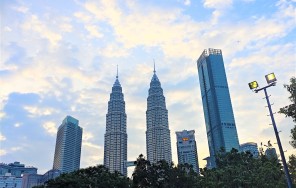
Petronas Twin Towers, Kuala Lumpur: These famous towers are a symbol of the city and one of the most popular tourist destinations in Malaysia. They offer breathtaking views of the city and can be easily reached by public transport, including subway (LRT), buses and taxis.
Langkawi Island: Langkawi Island is famous for its snow-white beaches, crystal clear waters and picturesque landscapes. It is located west of the Malaysian peninsula and is available by air and sea. There are regular flights from Kuala Lumpur and other cities in Malaysia to the island's airport.
Taman Negara National Park: It is one of the oldest national parks in the world, known for its diversity of flora and fauna. The national park is located in the northern part of the Malaysian peninsula and is accessible both by car and by public transport (such as buses).
Mount Kinabalu, Sabah: Mount Kinabalu is the highest mountain in Southeast Asia and a popular place for mountaineering and trekking. It is located in Kinabalu National Park and can be reached by flying to Kota Kinabalu Airport and then further travel by bus or taxi to the base of the mountain.
Penang City Island: Penang is an island with a rich history and cultural heritage. Here you will find the historic city center of Georgetown with its unique architecture, temples and famous street paintings. The island is easily accessible from Kuala Lumpur by air and sea.
These are just a few examples of the many attractions available in Malaysia. Most are easily accessible by public transport or rented car, making them attractive to travelers of all categories.
Holidays, cultural life and activities in Malaysia
Malaysia has many cultural and social events, festivals and festivals that take place throughout the year. Here are some of the most popular events and festivals worth seeing:
Hari Raya Poisa (Idul Fitri): It is a Muslim holiday celebrated at the end of the month of Ramadan. For several days, people gather with family and friends to mark the end of the fasting month.
Malaysian Independence Day (Hari Merdeka) It is celebrated annually on 31 August and is the day Malaysia gained independence from British colonial rule in 1957. The festivities include parades, fireworks and various cultural events.
Day of the State of Malaysia (Hari Malaysia) This holiday is celebrated on September 16 in honor of the formation of Malaysia in 1963, when Malaysia, Singapore, Sarawak and Sabah united. This is the time when various events and festive events are organized.
Diwali (Deepavali): It is a Hindu festival, also known as the Festival of Light, which is celebrated in October or November. It is celebrated with lush decorations, lamps and feasts.
Chinese New Year (Chinese New Year): This holiday is celebrated in late January or early February and is the most important holiday in the Chinese calendar. It is celebrated with parades, fireworks, traditional lion and dragon dances.
Raiharaja (Hari Raya Haji): It is a Muslim holiday, also known as the "Feast of Sacrifice", which is celebrated at the end of the Hajj pilgrimage. This is the time when Muslims celebrate the holiday with rites and joint feasts.
George Town Festival: This festival, which takes place in Penang in July and August, offers a variety of cultural arts including music, dance, theater and street art.
Rainforest World Music Festival: This World Music Festival, held in Sarawak in July, offers concerts of different musical genres from different countries and cultures.
These events and festivals represent the variety of cultural and traditional aspects of Malaysia and allow visitors to experience the local atmosphere and festive mood.
What weather is best for traveling to Malaysia
Malaysia has a tropical climate with high humidity and warm temperatures all year round. Here is a general characteristic of the climate at different times of the year:
Spring (March-May):
Air temperature: Average 25°C to 32°C.
Water temperature: About 27°C to 30°C.
Climate: Spring in Malaysia begins a period of low humidity, as well as small precipitation. This is a good time to travel, especially if you want to avoid heavy rain.
Summer (June - August):
Air temperature: Average 25°C to 32°C.
Water temperature: About 28°C to 30°C.
Climate: Summer is a period of high humidity and moderate rains. It can be quite hot, especially in areas far from the coast. However, it is also a time when many festivals and events are held in the country.
Autumn (September to November):
Air temperature: Average 25°C to 32°C.
Water temperature: About 28°C to 30°C.
Climate: Autumn is a transition season with relatively less rain and pleasant temperatures. This can be an ideal time to visit as the weather becomes more comfortable.
Winter (December to February):
Air temperature: Average 25°C to 31°C.
Water temperature: About 27°C - 29°C.
Climate: In winter, Malaysia is usually cooler and drier than at other times of the year. This is also a period when there may be more sunny days on the coast.
The best time to visit Malaysia is usually from March to October, when the weather is more stable and less likely to rain. However, the timing depends on your preferences and planned activities.
Language of communication, traditions, customs and laws of Malaysia
Malaysia is a multi-ethnic society with diverse cultural and religious traditions. Therefore, when traveling to Malaysia, it is important to respect local customs, traditions and laws. Here are some of the main aspects worth considering:
Official language: The official language of Malaysia is Malay, also known as Bahasa Malai. However, English and Chinese are widely spoken in the country. Most people, especially in cities and tourist areas, speak English.
Respect for local customs and religious traditions:
When visiting places of public worship, such as temples, mosques or churches, one should wear modest clothes and observe rules of conduct.
It is important to respect Islamic traditions and laws. For example, drinking alcohol and smoking in public places may be banned in some areas.
Rules of treatment: In Malaysia, people usually communicate with respect and politeness. When communicating with locals, you should show tolerance and friendliness.
Laws: Travelers should read and follow local laws. For example, carrying drugs, as well as animal cruelty, is a crime and can lead to severe penalties.
Tip: In most cases, tipping is not mandatory, but it can be assessed depending on the level of service.
Safety: As in any other country, safety measures should be observed, especially at night and in places with large crowds.
Photos: When photographing locals or sacred sites, you should first ask for permission.
The best way to gain a deeper understanding of local culture and traditions is to be open, respectful, and ready to engage with locals. This will not only make your trip more enjoyable, but also create more harmonious relationships with others.
The main dialogues for traveling in Malaysia
Here are some basic Malay words, phrases and dialogues with Russian translation and transcription that can come in handy when traveling in Malaysia:
Welcome:
Hello there. Hello. - Hello. (Selamat sejahtera)
How are you? (How are you?) - How are you? (Apa khabar?)
Where is ...? (Where is ...) - Where is...? (Di mana...?)
I am looking for a hotel / restaurant / travel agency. (I'm looking for a hotel / restaurant / tourist agency) I am looking for a hotel/restaurant/travel agency. (Saya mencari hotel / restoran / agensi pelancongan)
Can you help me? (Can you help me?) - Can you help me?
I lost it. (I'm lost.) - I lost it. (Saya tersesat)
These simple phrases will help you communicate and navigate better in Malaysia. Feel free to use them to create a more friendly and comfortable environment during your trip.
What dishes, medicines and gifts are popular in Malaysia
Malaysia is known for its rich culture and culinary heritage, as well as many unique products that can be useful or interesting souvenirs. Here are some of them:
Food:
Durian: Known as the “king of fruit,” this fruit has a strong smell but a rich taste. It is a popular and unique delicacy in Malaysia.
Laksa Noodles: Laksa is a traditional Malaysian dish of rice noodles served in fragrant coconut milk with shrimp, chicken or seafood. It is one of the most famous dishes in Malaysia.
Kari Captain: This traditional Malaysian dish, which is a curry with thick coconut milk and various spices, is usually served with rice.
Terngganu noodle-hoir: It is a traditional Malaysian dish of red paste, coconut milk, herbs and seafood.
Medications:
Coptic oil and camphor oil: These topical medicinal oils are often used to relieve muscle and joint pain.
Balsam Tiger: This Ayurvedic balm, containing various herbs and oils, is used to relieve pain and healing.
Souvenirs:
Batik: Traditional Malay fabric, hand-painted using wax drawings. It can be found in the form of clothes, accessories and souvenirs.
Ceramic utensils: Malaysia is known for its ceramic utensils, including plates, cups, vases and other items decorated with traditional patterns.
Horn and bone articles: In some shops you can find unique souvenirs made from animal horns and bones.
Crafts and handicrafts:
Orang utang dolls: These handmade dolls made by local craftsmen can be an interesting and unique souvenir.
Pearl Jewelry: Malaysia is known for its pearl jewelry such as necklaces, bracelets and earrings.
A trip to Malaysia provides a unique opportunity to taste local tastes, explore local culture and purchase unique souvenirs and remedies that will remind you of your stay in this amazing country.
What to cook for a safe holiday in Malaysia
Holidays in Malaysia are generally considered quite safe, especially for tourists. However, as in any other country, basic precautions should be taken. Here are some important safety tips for tourists in Malaysia:
Documents and insurance:
When traveling to Malaysia, you will need a foreign passport, which must be valid for at least 6 months after the date of return. Some countries may also require a visa.
It is important to have international health insurance that covers medical expenses, evacuation and additional costs in the event of an accident or illness.
Emergency services:
The emergency number in Malaysia is 999 for ambulance and fire service, 994 for police.
Tourists are also advised to have contacts from their country’s embassy or consulate if necessary.
Mobile communications:
Malaysia has several mobile operators such as Maxis, Celcom, DiGi and others. You can purchase a local SIM card for Internet access and telephone communication.
Safety in public places:
Avoid carrying large amounts of money and expensive jewelry.
In public places, especially in tourist areas, be mindful of your belongings to avoid theft.
Road safety:
When renting a car, you should follow the rules of the road and drive carefully.
Cross the road only at pedestrian crossings and be attentive to traffic.
Safety in nature:
When visiting national parks and jungles, you should follow the marked trails and follow the directions of park protection.
It is important to be attentive to wildlife and animals, avoiding unnecessary approximation.
Duration of stay without leaving the country:
Usually, tourists can stay in Malaysia without leaving the country for 90 days, but this may vary depending on your citizenship and visa type. Before traveling, it is important to clarify this information at the embassy or consulate.
Following these simple precautions will help make your holiday in Malaysia safer and more enjoyable.
Local currency and customs regulations in Malaysia
The local currency in Malaysia is the Malaysian ringgit (MYR), referred to as RM. Here are a few key aspects related to local currency and customs regulations in Malaysia:
Exchange rate:
The rate of the Malaysian ringgit against the US dollar may fluctuate. It is recommended to check the current exchange rate before traveling.
Methods of calculation:
A variety of payment methods are common in Malaysia, including cash, credit and debit cards. International Visa and Mastercard cards are also accepted in most places. However, in markets and small shops it is better to have cash.
Customs regulations at entry:
Travelers must complete a customs declaration on arrival, which indicates the items they are bringing into the country.
Malaysia has strict rules regarding the import of drugs, weapons and tobacco products. Travelers should be careful not to break these rules.
Customs regulations on departure:
When leaving Malaysia, travelers must also complete a customs declaration and submit it to customs officers.
Travellers must not export antiques, religious artifacts and other items that may be recognized as cultural heritage of the country without appropriate permission.
In general, compliance with customs and payment rules will help to avoid hassles and make your trip to Malaysia more comfortable and safe. Travelers can also contact local customs or consular offices for more information about customs regulations.
Country maps Malaysia
Country tourist maps Malaysia - routes, attractions and unique objects.
The site uses a web analytics service
Yandex Metrics
using cookie technology to make the site more convenient. You can prevent the processing of cookies in the browser settings.
Details in Privacy policy.