Amsterdam is for their own. History of the Jewish Quarter
Description:
Did you know that even today the old Amsterdam people call their city Mokum? In Yiddish, it means “place.” And that's just one small detail. The influence of the Jewish community, formed here since the Middle Ages, is felt everywhere - in language, toponymy, urban folklore, science, trade, finance, life philosophy. And the stories that fill the city. Sad, comic, tragic, wise, infinitely beautiful - they wait for us behind the most ordinary facades, on the streets, in cinemas, cafes, parks and courtyards.
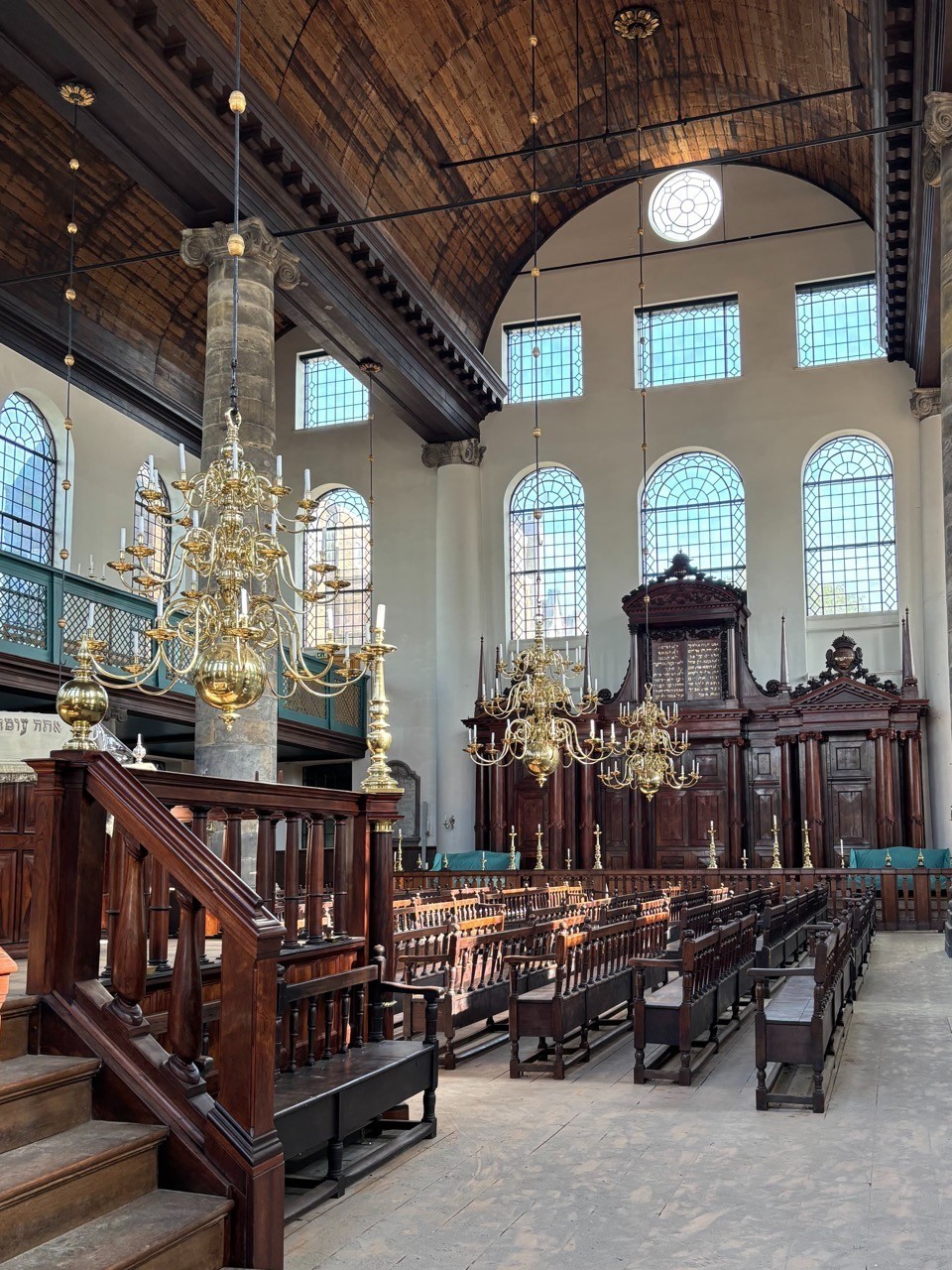
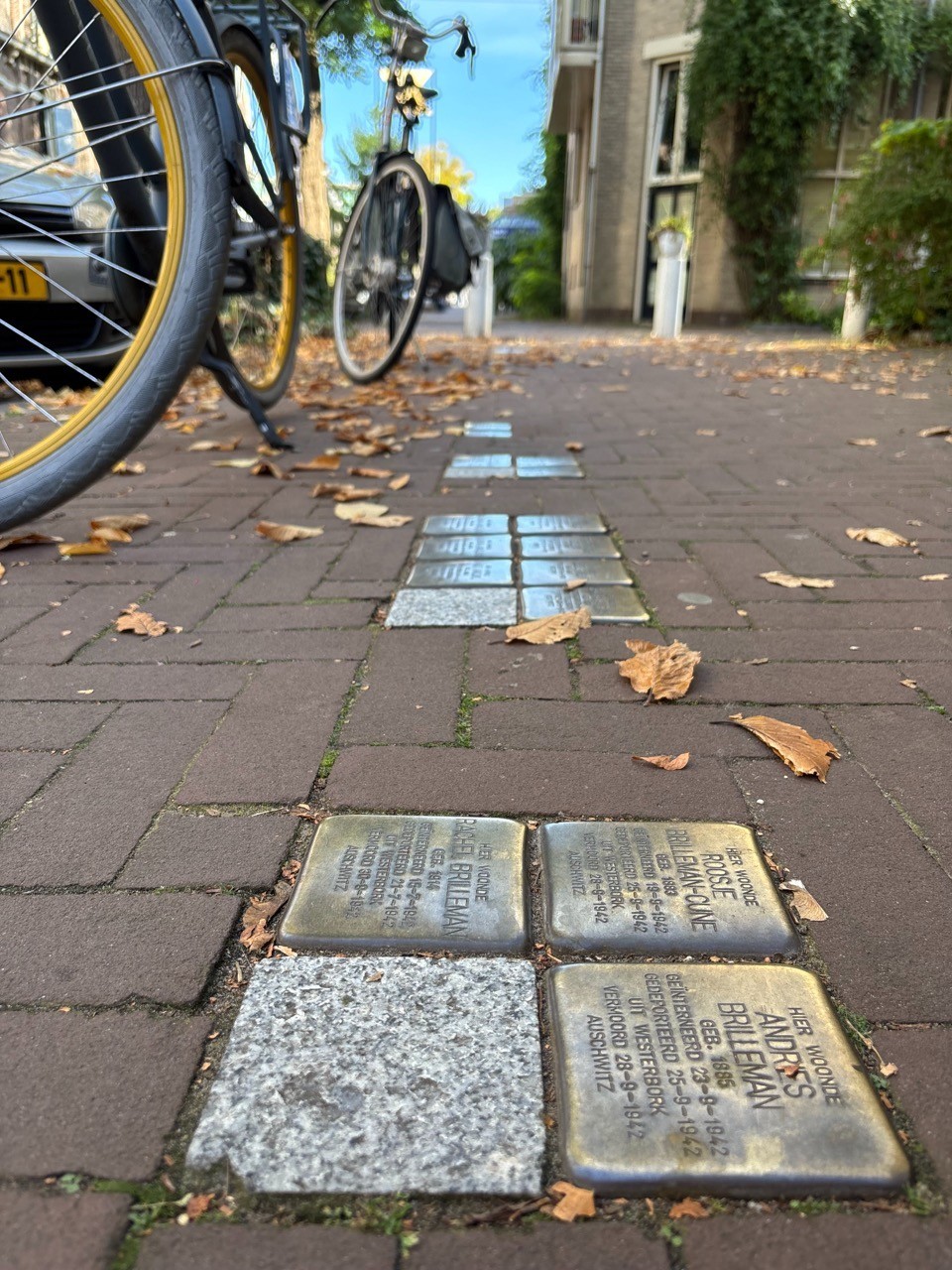
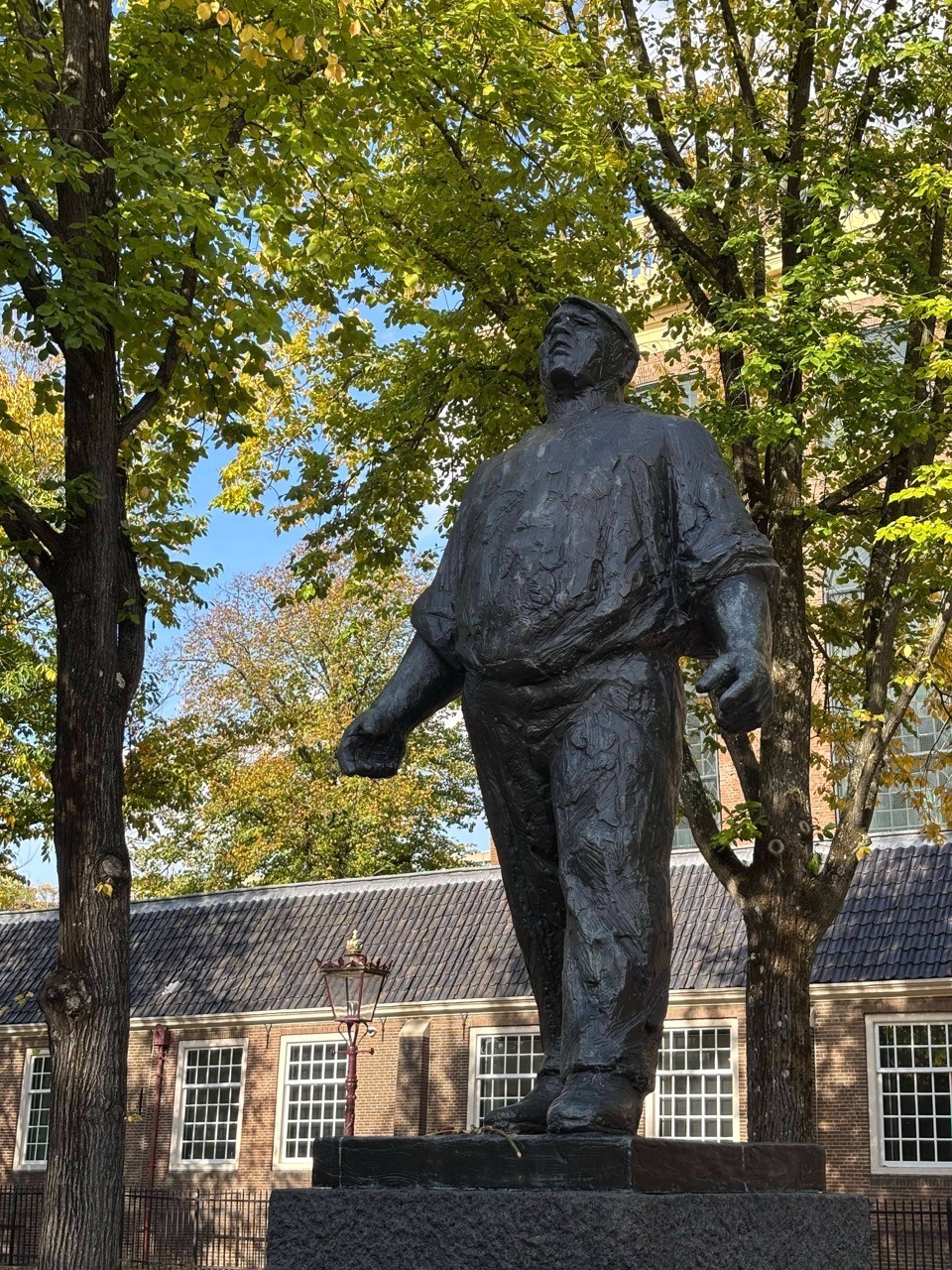
We will walk through the old Jewish quarters. We will see monuments, synagogues - including the famous Portuguese (Esnoga), ancient mansions, a market in Waterloo Square. We will learn how for centuries here lived, worked, loved, celebrated, traded. Let's hear people's stories. It was a separate world until the Nazi occupation in World War II put an end to it.
We'll talk about the tragedy, but also the resistance, the survivors and how the post-war city met them. Let us recall how slowly and arduously the community has been reborn, and let us talk about the contemporary interaction, which is very tangible and significant, between the city and its Jewish population. The history and culture of the Jewish community have greatly influenced the formation of Amsterdam’s identity. We will see it every step of the way.
See you on the tour.
We'll see.
On our walking tour of the Jewish Quarter of Amsterdam you will see:
- Huis de Pinto - the old house of a wealthy Amsterdam merchant
- Waterlooplein is a flea market with Jewish roots.
- Diamond manufactory;
- The magnificent Portuguese Synagogue (Esnoga) is one of the most beautiful in Europe.
- Jewish Museum and former Ashkenazi synagogues
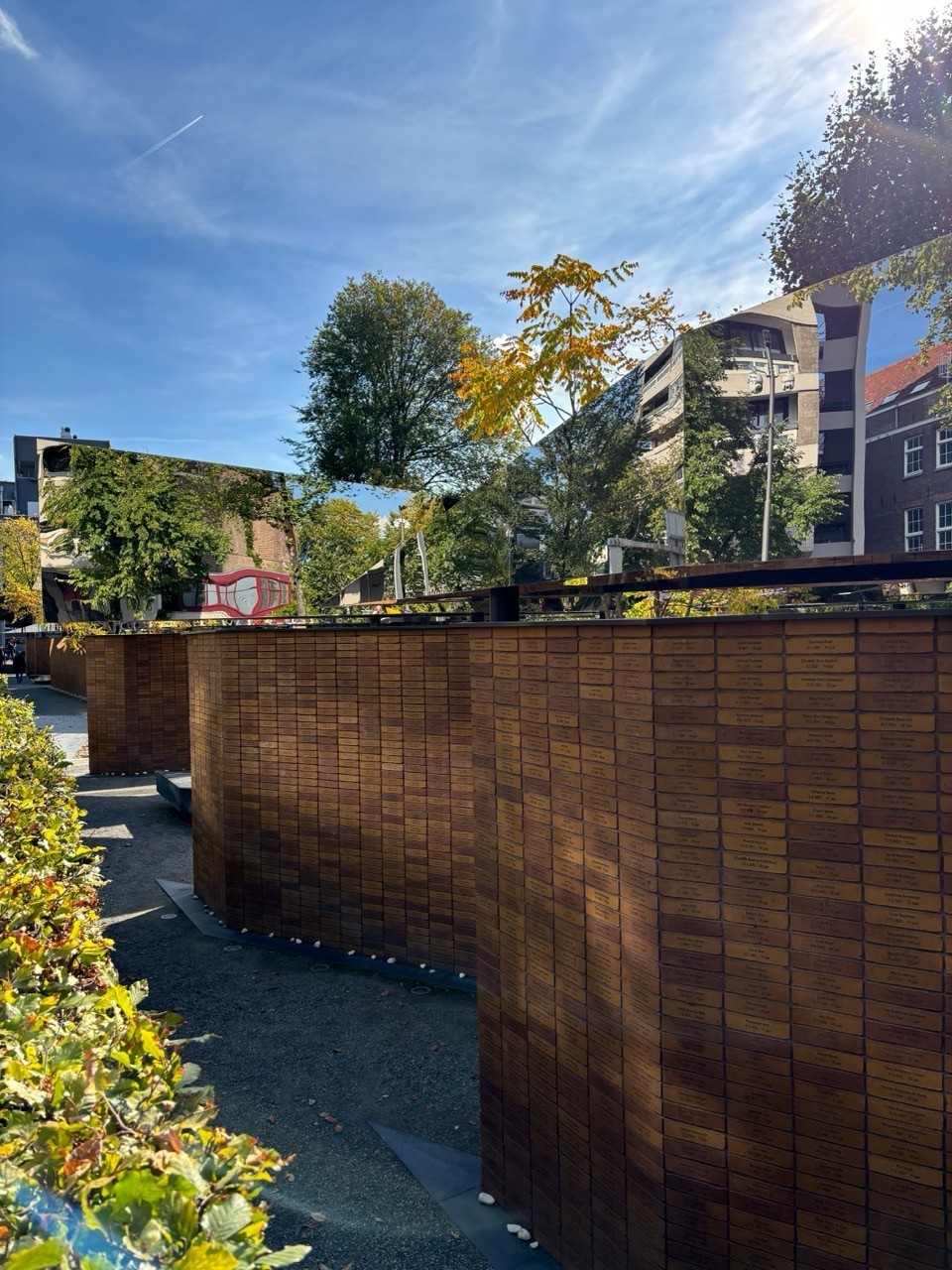
- Memorial dedicated to the victims of the Holocaust, by Daniel Libeskind
- H’ART Museum is a former shelter for the elderly.
- Schaduwkade is a monument to the 200 Jewish residents of Nieuwe Keizersgracht.
- Auschwitzmonument - memorial to the victims of Auschwitz, in Wertheim Park;
- The new Holocaust Museum on the site of the former Jewish nursery
- Hollandsche Schouwburg - Theatre turned into a centre of deportation
- The Artis Botanical Garden and Zoo, which became shelters for Jews.
- Restaurant De Plantage is an elegant reminder of the life of the Jewish community.
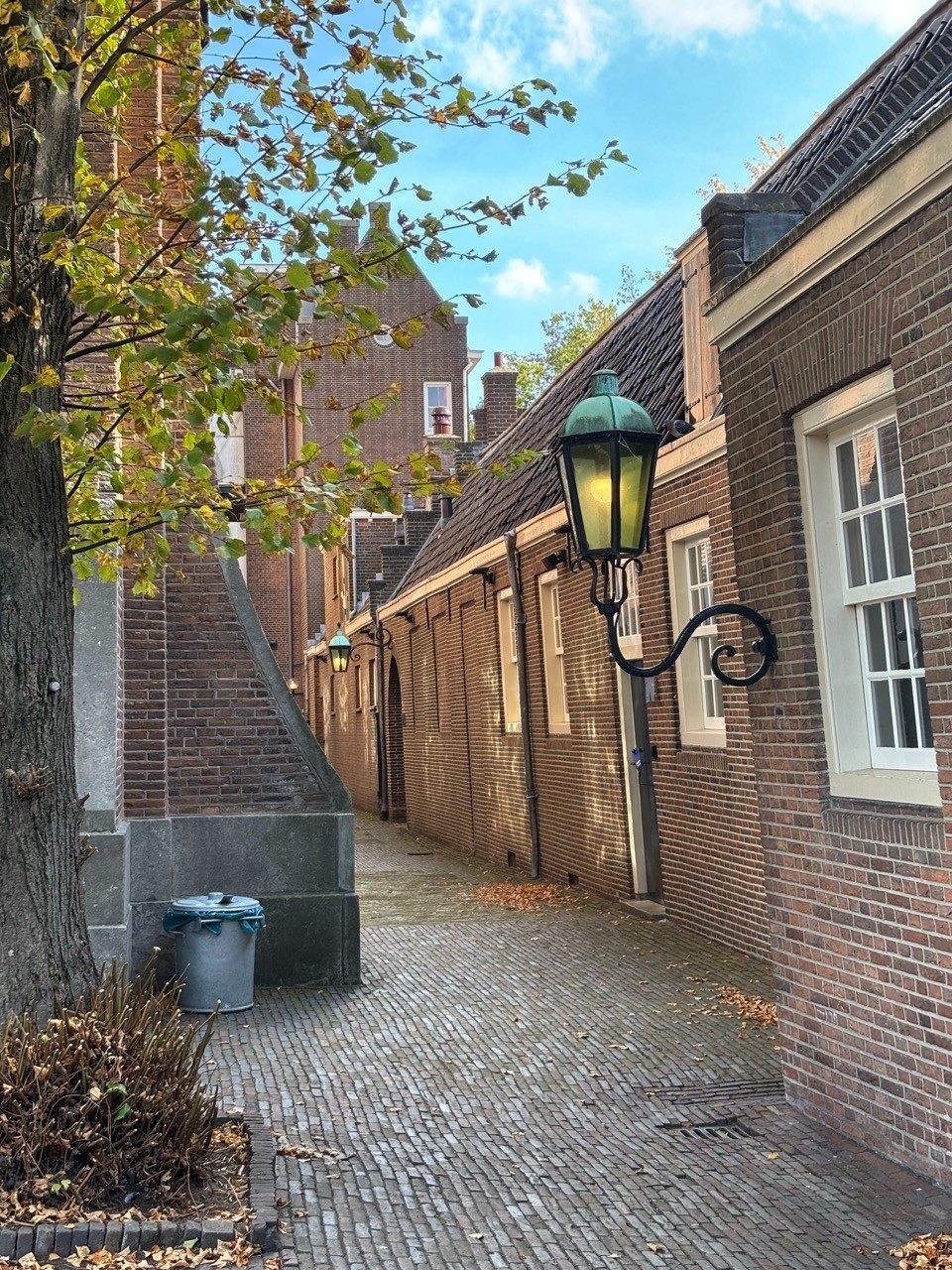
- Many ordinary houses, behind the facades of which there are amazing stories
and much, much more.
What can we talk about?
On our individual tour of the Jewish quarter of Amsterdam, we will talk about a variety of things: history, everyday life, religion, fascination with socialism, but also about diamonds or culinary traditions.
You will know:
- How Jews came to Amsterdam and found refuge here
- What knowledge and connections – crucial to trade, publishing, and Dutch colonial expansion – they brought with them.
- What was the daily life of the community in the XVII-XIX centuries?
- Why was it so easy to identify and extradite Jews in Amsterdam during World War II?
- How the deportations were organized and what was the role of the Dutch collaborators.
- How the Resistance Worked: From Clandestine Work to Stories of Surprising Rescue by Community Members
- What mark did the Shoah leave in the city and in the fate of the community?
- How the Netherlands now understands its role in the war and cooperation with the Nazis
- How slowly and hard did the community recover after the war?
- How the Jewish community lives today and how it affects the culture of the city.
And most importantly, we will tell you many stories of people who lived in this neighborhood. And their modern descendants, Amsterdam, also have their own amazing stories.
Let's try.
We will try the traditional Jodenkoek cookie (Jewish butter cookie) or rugelach bagel.
Discover hidden symbols of Jewish life in the architecture and appearance of the streets.
We will try to read an inscription in Hebrew or Yiddish that we will meet on the way.
Listen to the work of Henrietta Bosmans, a Dutch Jewish composer who continued to write music during the war.
Listen to the melodies of Sephardic prayers that once filled the Portuguese synagogue.
We pause for a moment of silence at Hollandsche Schouwburg, remembering the stories associated with this place.
In three hours, we will live several centuries and see how closely the city and its Jewish community are welded together and inseparable from each other. This connection is felt everywhere – in street names, in architecture, in people’s stories. This is what makes Amsterdam as we know it today.
In the Netherlands, we have a huge number of excursions: dozens of routes around Amsterdam, Rotterdam, The Hague and small picturesque cities, excursions to castles and fishing villages, mills and farms, museums and reserves, Northern Venice and islands. There are gastronomic tours, art routes, photo walks, trips by bicycle, boats and even by balloon. You can also order a transfer from us. Come here!
Practical details
Day and time as agreed. Languages: Russian, English, Ukrainian, French.
The price includes:
Individual tour with a guide.
Cost: €400 for 1-4 people. For groups of 5 people €100 per person.
The tour price does not include entrance tickets, food and drinks.
Comes to: Individual , Pedestrian
Photographs (6)