Amsterdam is for their own. Rijksmuseum: Dutch painting of the XVII century
Description:
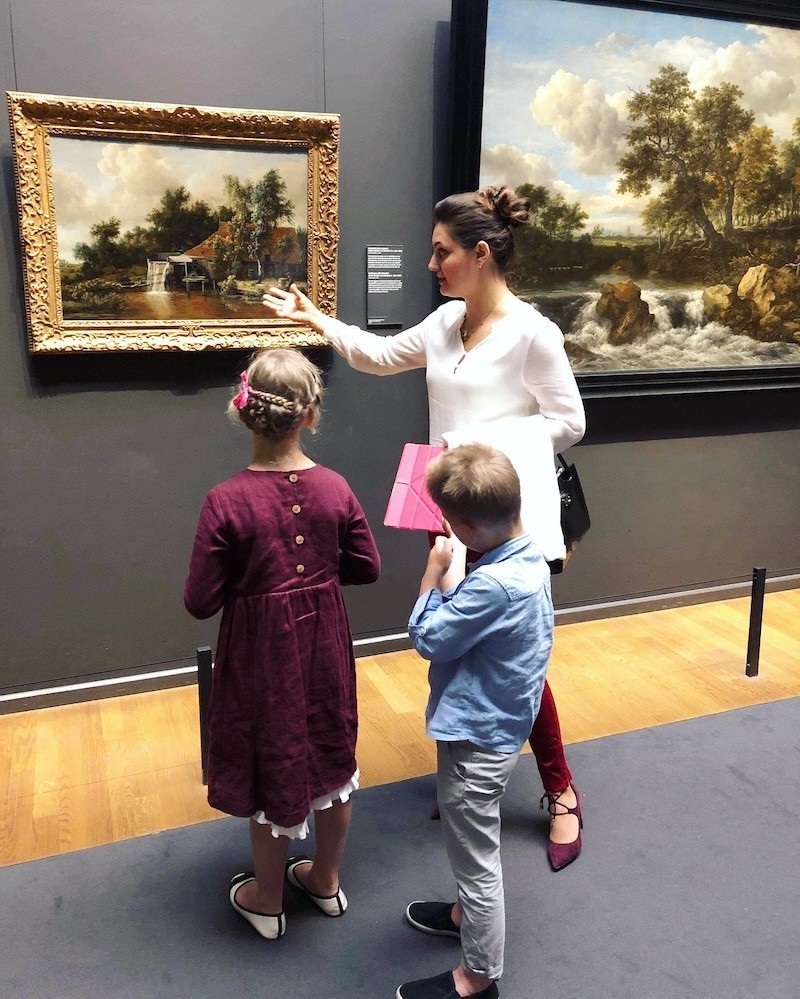
The seventeenth century in the Netherlands is one of the most interesting and powerful eras in world painting. The end of the dictates of Catholicism, coupled with the Protestant rejection of the worship of images, led to the explosive development of secular genres - portrait, still life, landscape, seascape, genre painting. Cozy houses and courtyards, friendly feasts, peaceful rural scenes, tables breaking with abundance - all this is very earthly, very familiar and, it seems, understandable. Right? Do we really see and understand the same things as Rembrandt and Hulse? What do the smiles and poses of the characters hide, what do still lifes talk about, and what secrets are hidden in the most everyday scenes? Let's try to figure it out!
We invite you to a real detective investigation in one of the best museums in the world - Rijksmuseum. Together we will solve artistic puzzles, look for hidden hints and step by step reveal what the Dutch of the seventeenth century actually saw when looking at these paintings. And at the same time look at the world-famous masterpieces from a completely different point of view.
We'll see:
- "The Milk Girl" and "The Woman Reading a Letter" by Vermeer.
- Amazing "Self-portrait in the image of the Apostle Paul" Rembrandt.
- No less delightful "The Jolly Drinker" by Frans Hals.
- We'll laugh with the great mocker Jan Stehn, look at Peter de Hooch and Gerard Terchborch.
These are just some of the treasures we will see. Perhaps you are most impressed by a different picture?
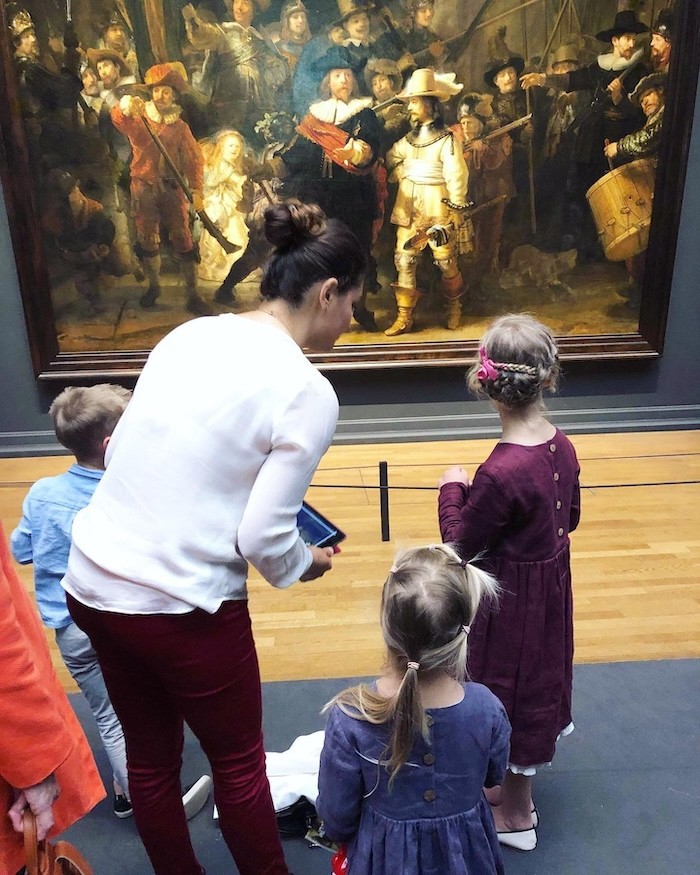
We will finish with you at the Night Watch. And this is his secret we will not reveal to you: Because more than one generation of art critics is fighting over the mysteries and secrets of this picture. Decades pass, versions and interpretations change. But he still attracts attention and excites the minds. However, we will tell you what advanced art science thinks about the picture today.
How to Read Dutch Painting
Perhaps no one so realistically, so detailed reflected real life, as did the Dutch masters of the XVII century. How do you learn to read Dutch paintings? Would you believe us if we assumed that after the tour you would be able to spend hours looking at the picture you have long known and laugh, as if watching the funniest series? Or that it is quite possible to fall into depression from quite ordinary from the artistic point of view of the seascape or still life? And how does the rural landscape relate to freedom?
But these are common questions. As real detectives, let’s start with the details.
Why does an ordinary, seemingly urban woman, caught by an artist during lunch, have such a prodigal look?
What can a modest bouquet tell us about one of the worst failures in the history of the country?
And how do you find the poorest or the greediest in guild portraits?
By the way, have you noticed how often we meet reading and musical characters, regardless of wealth and status? Was that really the way the Dutch were educated, or was it a tribute to fashion?
From "evidence" to "evidence" we will spin the story of how "people searched for truth and along the way found freedom and prosperity." During the tour, we will have time to get acquainted with these people. Some to admire, others to admire, and with someone and argue. Is Dutch painting so realistic? Or is it a kind of dream of a quiet, calm and well-fed life, a world in which one can lead a decent existence?
If you want to continue
If two hours in the company of the inhabitants of the museum do not seem enough, we will gladly dive with you even deeper into the magnificent heyday of Dutch painting. We will see a wonderful collection of Delft Blue ceramics: from tea sets to amazing vases. Now you can guess for yourself what explains their unusual shape. But we'll tell you a few more secrets.
We will visit one of the most beautiful libraries in the world – the Cuypers library. Let’s talk about how a young commercial republic – a world leader in trade, science, the arts of war and, of course, the fine arts – enjoyed its heyday. And doll houses, equipped according to the fashion of rich Amsterdam mansions of the XVII century, where every tiny detail exactly corresponds to the original and is made by the hands of outstanding masters, you will certainly be amazed. I wonder if they will be your biggest impression of the museum.
Most importantly, please inform us in advance of your desire to extend the tour so that we can reserve additional time for you.
Practical details
Your guide will be an art historian, a graduate of London’s Christie’s and Sotheby’s Institute of Art.
Tickets to the Rijksmuseum should be purchased in advance. You can do this on the museum website.
The essence of an individual tour is to adjust to your individual preferences and level of knowledge. The guide will handle this intuitively, but if you have special preferences, please let us know in advance.
Allow yourself to be in the museum 5-10 minutes before the start of the tour.
We will be walking a lot during the tour. If it is not very comfortable for you, we suggest taking folding chairs at the museum. The guide will take care of this if you warn us in advance.
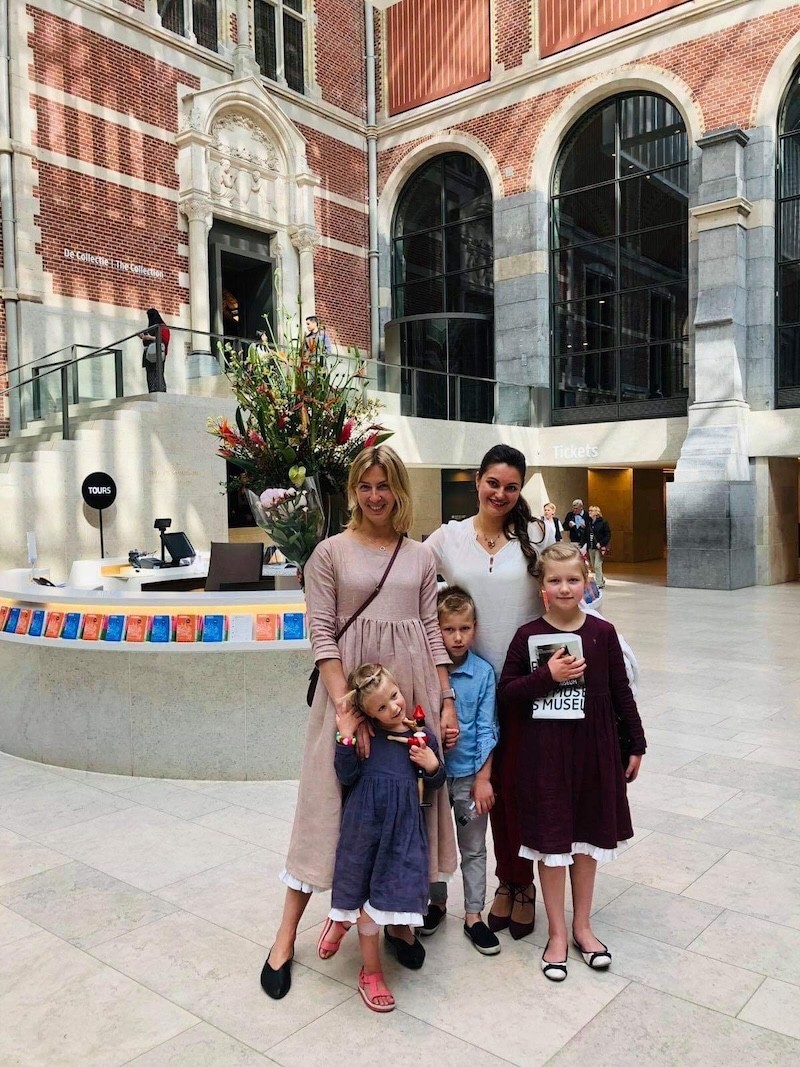
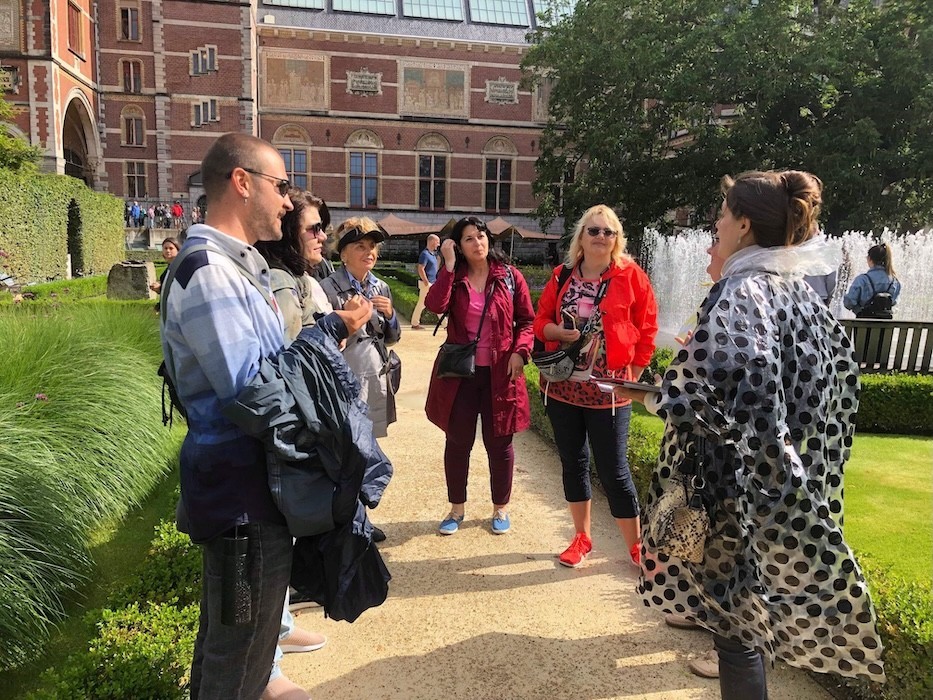
Immerse yourself in the atmosphere of the Rijksmuseum together with our art historian on an individual tour. And don’t forget – we also have amazing art tours of the Van Gogh Museum and Stedeleyk. Excursions to Kroller-Müller, the Depot of the Boymans van Beningen Museum and other museums in the Netherlands are also possible upon request. In addition, we offer a variety of city tours and country excursions throughout the Netherlands. We love our country and want to introduce you to it!
Day and time as agreed. Languages: English.
The price includes:
Individual tour with a guide.
Cost: €440 for 1-4 people. For groups of 5 people €110 per person. Each additional hour is €100 per group.
Tickets to the museum are paid separately.
Comes to: Individual
Photographs (4)