Travel and rest in the city of Porto in Portugal! History of Porto Porto is the second largest city in Portuga...

Excursion to the oldest part of the city, not rebuilt since the Middle Ages. Looking around the city from the watchtower of the an …
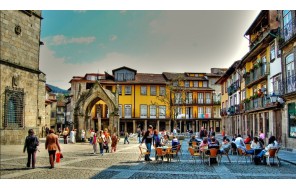
09:00 Departure from Porto to Braga. A significant part of the attractions of Braga is concentrated in the small Old Town. The …
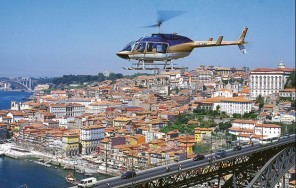
Flying by helicopter is a thrill when adrenaline boils in the veins, and at the same time, a completely safe event that does not r …
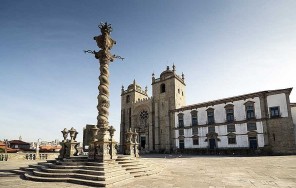
The beginning of the tour is the station of San Bento, famous for its magnificent huge wall panels. Walk through Liberty Square, w …

This is a car tour from Porto to the region of indescribable beauty, where aged port wines are produced, we will get acquainted wi …
We depart from St. Bento Station on the local train to Guimarais. Time is about 1 hour. Arriving in Guimarais, we go to the histor …

Porto - the northern capital of Portugal - a city with a centuries-old history, its own traditions. This city is of interest to bo …
With me you will get acquainted with the central and northern regions of the country. Port wineries and green wine, h …

Guides, my colleagues, don't have that capability. During the day, they are with tourists and, according to the code, do …
Come and taste the magnificent wines of this country, which Portugal is rightly proud of, as well as Mediterranean cuisi …

group excursions, individual excursions, meeting at the airport, transfer
Group excursions, individual excursions, meeting at the airport, transfer, booking tickets, hotel reservation, escort at …
Porto is the second largest city in Portugal, located in the northwest of the country on the banks of the Douro River. The history of the city has more than two millennia.
In ancient times, on the site of modern Porto there were settlements inhabited by Celts and Romans. In the V century, the city was conquered by the Visigoths, and then, in the VIII century, by the Arabs. In 1095, Porto was taken by the rulers of the county of Portucal, Henry and Teresa, after which the process of reconquest began.
In the fourteenth century, Porto became an important commercial and maritime center due to its strategic location on the Douro River. During the period of the great geographical discoveries of the XV-XVI centuries, Porto became the starting point for many marine expeditions. During this period, maritime, trade and art flourished in the city.
In the XIX century, Porto became an industrial center, textile and wine industries developed. In 1910, Porto became part of the Republic of Portugal after the monarchy was overthrown.
Currently, Porto is a modern cultural and economic center, attracting tourists with its architecture, wine tradition and picturesque coastal area of Ribeira.

Porto is a magical city in the northern part of Portugal that attracts tourists with its unique combination of ancient and modern atmosphere. Here are a few things that might interest potential visitors:
Historical wealth: Porto has a rich history, personified in beautiful architecture and ancient streets. The old town, Ribeira, with its narrow cobbled streets, beautiful squares and colorful houses, creates a unique atmosphere.
Wine heritage: Porto is famous for its port and wine traditions. Tourists can visit the rich wine cellars, taste unique wines and enjoy panoramic views of the Douro vineyards.
Contemporary art and culture: The city also offers many modern art galleries, theaters and museums. For example, Fundasao de Serralves is a modern art center that presents amazing exhibitions and performances.
Coastal walks: Ribeira is located on the banks of the Douro River, and tourists can enjoy beautiful walks along the promenade, along the way enjoying views of the Luis I Bridge and the old town.
Culinary pleasures: Portuguese cuisine in Porto is another reason to visit the city. Local restaurants offer a wealth of flavours, including fresh seafood, traditional baccalaureates and, of course, fine port wine.
Dynamic nightlife: Porto provides a variety of options for lovers of night entertainment - from cozy bars with live music to fashionable clubs.
Local hospitality: The people of Porto are known for their warmth and hospitality. Tourists can feel the atmosphere of authentic Portuguese life by interacting with locals.
The combination of history, culture, culinary pleasures and beautiful natural surroundings makes Porto a unique place for exciting holidays and unforgettable experiences.
In Porto, as in many tourist cities, there are a variety of hotel options and service levels. Here is the overall picture by comfort level, price range and service level:
Budget hotels and hostels:
Mid-range hotels:
High-end hotels:
Boutique hotels:
Apartments:
Exclusive or historic hotels:
In general, Porto offers a variety of accommodation options for different budgets and preferences. Service in the city is usually high and many hotels are located in tourist-friendly areas, close to attractions and public transport.
Porto is a city with a rich cultural and historical heritage, full of amazing sights. Here are a few key places to visit and their approximate distances from the city centre:
Luis I Bridge (Ponte Luís I): This magnificent metal bridge, built in the style of the Eiffel Tower, connects Ribeira with the Vila Nova de Gaia area. Distance from the city center is about 1 km.
The Church of Santa Clara (Igreja de Santa Clara) This beautiful Baroque church is located in the historic center. The distance from the city center is about 700 m.
Basilica of Santa Catarina: One of the most beautiful churches in Porto with a beautiful Baroque facade. Distance from the city center is about 1 km.
The Tower of Clérigos (Torre dos Clérigos) Iconic tower, which is part of the complex of the church of Klerigush and the ideal place for a panoramic view of the city. The distance from the city center is about 1 km.
Palacio da Bolsa (Palacio da Bolsa): This magnificent palace with many styles of architecture served as a chamber of commerce. The distance from the city center is about 700 m.
Church of San Francisco (Igreja de São Francisco) It is famous for its baroque interior and a chapel with bones decorated with human skeletons. The distance from the city center is about 800 m.
The National Theatre of San João (Teatro Nacional São João) One of the most important theaters in Portugal, perfectly combining architectural styles. The distance from the city center is about 700 m.
Museum of Contemporary Art (Fundação de Serralves) The largest contemporary art museum in Portugal with a unique garden. The distance from the city center is about 5 km.
These distances are approximate and can vary depending on the specific location in the city center. It is important to note that many of Porto’s attractions are within walking distance of each other, making the city convenient to explore on foot.

Porto hosts many interesting events, celebrations and festivals offering unique cultural and entertainment opportunities for tourists and locals. Here are a few of them:
São João:
Festival of the Old Town (Festival do Outono - Festa de São Vicente)
Wine Festival Gaia 1927 (Festa do Vinho do Porto - Gaia 1927)
Festival of Light (Festival da Luz):
Porto International Film Festival (Post/Doc)
Festival of Contemporary Art (Festival de Arte Contemporânea)
These events bring to Porto not only a variety of cultural experiences, but also create the opportunity to enjoy the atmosphere of the city at different times of the year.

The climate in Porto in Portugal is characterized by mild winters and warm summers, making it an attractive place to visit throughout the year. Here is a general description of the climate in different seasons:
Spring (March-May):
Summer (June to August):
Autumn (September-November):
Winter (December to February):
The overall climate in Porto creates favorable conditions for tourism at any time of the year. Summer is the most popular season, but spring and autumn are also attractive for their mild temperatures and beautiful nature.

Language of communication: The official language in Portugal is Portuguese. In tourist areas and hotels, English is commonly spoken, as well as Spanish and French, but English proficiency may be limited, especially among the elderly. Try to learn a few basic phrases in Portuguese, it can be useful for communicating with locals.
Traditions and customs:
Laws:
Compliance with traditions, customs and laws will help you create a positive impression and enjoy your stay in Portugal.

Portuguese is the official language of Portugal, and knowing a few basic phrases and words can make communication in Porto much easier. Here are some useful expressions with Russian translation and transcription:
Greetings and general phrases:
In a restaurant or cafe:
In the store:
In a taxi:
At the hotel:
City orientation:
Numbers:
These phrases will help you in everyday communication in Portugal. Remember that locals usually appreciate the efforts of tourists to speak their language.
A trip to Porto, Portugal provides the opportunity to enjoy the local culture and traditional cuisine. Here are some unique and interesting things to bring from this beautiful city:
Portuguese wine and port:
Pastel de Nata:
Ceramic dishes:
Sardinian canned food:
Olive oil:
Cheese:
Books and poetry:
Traditional clothing:
Azulejo (tiles):
Handmade goods:
Remember that when choosing souvenirs, try to buy from local producers or local markets to support the local community and traditions.

Portugal, including the city of Porto, is generally considered a relatively safe destination for tourists. However, as in any other city, basic precautions must be followed. For example, be mindful of your possessions, avoid remote and poorly lit areas at night, and be careful with personal belongings on public transport.
Documents:
Insurance: It is recommended to have health insurance that covers medical expenses and possible medical care if necessary. Also consider baggage loss and cancellation insurance.
Emergency services:
Mobile operators: There are several mobile operators in Portugal, such as Vodafone, MEO (formerly TMN), and NOS. You can purchase a local SIM card for more advantageous use of local communication and mobile Internet.
Duration of stay: For citizens of most countries, the period of visa-free stay in Portugal is 90 days for each period of 180 days. If you plan to stay in the country for a longer period of time or have other questions about the visa regime, it is recommended to contact the Portuguese consular office in your country or visit the official immigration website.
Create a query and local guides will offer you the best options