Uzbekistan, although associated by many with hot deserts and historic cities, is also rich in picturesque mountainous areas where …
450 $
man
Oh. Uzbekistan
Independent tourism and recreation in Uzbekistan
Historical information about Uzbekistan
The history of Uzbekistan is full of events and cultural heritage, which covers thousands of years. Here is an overview of the main stages and key moments in the history of this country:
Ancient history:
The territory of modern Uzbekistan had ancient civilizations such as Sogdiana, Khorezm and Bactria.
An important point is the arrival of Islam in the seventh century, which had a significant impact on the culture and society of the region.
Middle Ages:
In different periods, various centers of power flourished on this territory, including the medieval states such as the Samanid, Gaznevid, Khorezmshah and Timurid states.
As Islam spread, the area became a center of Islamic education and culture.
The Age of Conquest:
In the XV century, the conquest of Timur (Timur-Lenga) led to the creation of his empire, which included modern Uzbekistan.
After Timur’s death, his empire collapsed, and various khanates and emirates arose on the territory of Uzbekistan.
The Russian Empire and the Soviet period:
In the XIX century, the territory of Uzbekistan became the object of interests of the Russian Empire, which led to its gradual conquest.
In the early XX century, Uzbekistan became part of the Russian Empire, and then the Soviet Union.
In Soviet times, Uzbekistan became one of the republics of the USSR, going through the processes of collectivization, industrialization and modernization.
Independence of Uzbekistan:
After the collapse of the Soviet Union in 1991, Uzbekistan gained independence.
In the early years of independence, the country faced a number of economic and political challenges, including the transition to a market economy and the establishment of its own political system.
In the 2000s, the country began to increase its economic strength, especially in the cotton, gas and tourism sectors.
Modern period:
Modern Uzbekistan remains one of the largest and most influential states in Central Asia.
In recent years, there has been a push for economic reform and the development of civil society, although the political system remains largely authoritarian.
The country is actively developing cooperation with international partners in various fields, including the economy, education and culture.
The history of Uzbekistan reflects its rich cultural heritage and aspiration for modern development in the context of a changing world order.
Main activities, religion and interests of the local population in Uzbekistan
In Uzbekistan, the main sectors of employment and activities include the following:
Agriculture: Agriculture plays a key role in the economy of Uzbekistan. The main crops include cotton, wheat, vegetables and fruits. Cotton is an important export product. Most rural areas are engaged in agricultural production.
Industry: The industry in Uzbekistan is focused on oil refining, gas production, chemical and textile industries. The cotton-based textile industry is one of the most important industries.
Tourism: Uzbekistan is rich in historical and cultural attractions such as the cities of Samarkand, Bukhara and Khiva, which attract tourists from different countries. Tourism is becoming an increasingly important industry.
Transport and logistics: Uzbekistan has a strategic geographical position on the Silk Road, which makes it an important transit hub. The development of transport infrastructure, including railways and roads, is of great importance for the country.
Religion in Uzbekistan is mainly Islam. The majority of the Uzbek population are Sunni Muslims. Islam plays an important role in the cultural and social life of the country.
The interests of the local population are included in various aspects of culture and social life, such as:
Preservation of historical heritage: Uzbekistan is rich in historical monuments and cultural heritage, and locals show interest in preserving historical sights and traditions.
Family values: The family plays an important role in Uzbek society, and locals generally adhere to traditional family values.
Cultural traditions: Local people respect and value their cultural traditions, including music, dance, national cuisine and crafts.
Entertainment and recreation: Locals are also interested in entertainment and recreation, such as hiking in parks, nature trips and participating in various cultural events and festivals.
In general, the local population of Uzbekistan actively participates in various spheres of life, combining traditional values with modern interests and aspirations.
Interesting places and attractiveness of Uzbekistan
Uzbekistan is a country with a rich history, cultural heritage and magnificent natural landscapes, which has a huge potential to attract travelers and tourists. Here are some aspects that make Uzbekistan attractive to visit:
Historical cities of the Old Silk Road: Uzbekistan is home to some of the most famous historical cities such as Samarkand, Bukhara and Khiva, which are pearls of architecture and history. Visiting these ancient cities allows you to immerse yourself in the world of ancient cultures and get acquainted with amazing architectural monuments such as madrassas, mosques and palaces.
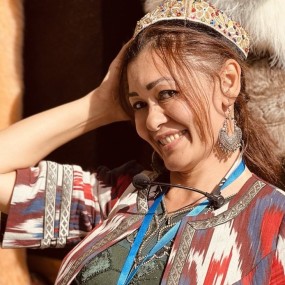
Hospitality and culture of the Uzbek people: Uzbekistan is famous for its hospitable people and rich culture. Tourists can experience the traditional Uzbek way of life, taste the national cuisine, enjoy national music and dance, and get acquainted with craft traditions such as ceramics, textiles and wood carving.
Natural attractions: In addition to historical cities, Uzbekistan offers a variety of natural beauty, including mountain ranges, deserts, lakes and canyons. Travelers can explore the Tien Shan Mountains in the eastern part of the country, visit the Aral Kum, one of the largest deserts in the world, or visit mountain lakes such as Sary Chelek and Aydarkul.
Festivals and cultural events: Uzbekistan hosts various festivals and cultural events reflecting the richness of national culture and traditions. This includes the celebration of Nowruz, the Persian New Year, the Silk Road Festival in Bukhara and others.
Unique handicraft production: Uzbekistan is known for its unique handicrafts such as carpets, silk and ceramics. Tourists can visit workshops and shops to purchase gifts and souvenirs made by local craftsmen.
The combination of historical, cultural and natural attractions makes Uzbekistan an attractive destination for travel and tourism, offering an unforgettable experience for those who seek to get acquainted with the unique aspects of this amazing country.
Transport accessibility and level of comfort, accommodation and food in Uzbekistan
The level of transport infrastructure, restaurants, hotels and other services in Uzbekistan can vary from region to region, as well as depending on the status and category of a particular enterprise. Here is a general assessment and a few examples of different accommodation and service options:
Transport:
Public transport: In the cities of Uzbekistan there is a wide choice of public transport, including buses, trolleybuses, minibuses and metro (in Tashkent). Public transportation is usually available and quite cheap.
Taxi: Taxis are also widely available in cities and are a convenient way to get around. There are both official taxis with meters and informal ones, where the price is usually negotiated in advance.
Car rental: The option of renting a car is available in major cities and tourist centers, offering freedom of movement around the country.
Restaurants:
Restaurants of national cuisine: There are many restaurants in Uzbekistan where you can taste national Uzbek dishes such as pilaf, lagman, kebab and salads. Prices in such restaurants can vary, but they are usually available at reasonable prices.
International restaurants: In large cities, especially in Tashkent, you can find restaurants with international cuisine, offering dishes from around the world. Prices in such places can be higher.
Street food and cafe: Street stalls and small cafes offer affordable and tasty food options for budget travelers.
Hotels:
Luxury hotels: In major cities of Uzbekistan, such as Tashkent and Samarkand, there are five-star luxury hotels offering a high level of service and comfort for living.
Mid-range hotels: Mid-range options are also widely available and can offer comfortable accommodation at more affordable prices.
Guesthouses and hostels: For budget travelers, guest houses and hostels are available that offer cozy accommodation at low prices.
Some examples of popular hotels and restaurants:
Hotel "Hyatt Regency Tashkent" (luxury)
Hotel "Dedeman Silk Road Tashkent" (medium level)
Topchan Hostel (hostel)
Old City Restaurant (national cuisine)
Restaurant "Afsona" (national cuisine)
Restaurant "Samarkand" in the hotel "Registan Plaza" (international cuisine)
Tourists in Uzbekistan can choose accommodation and meal options according to their preferences and budget, enjoying the hospitality and diversity of this unique country.
What to see in Uzbekistan
Uzbekistan is rich in a variety of attractions, including ancient cities, historical monuments, natural beauty and much more. Here are some of the main attractions of Uzbekistan and information about the transport accessibility of these places:
Samarkand:
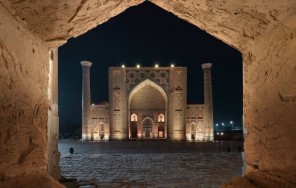
Samarkand is one of the oldest cities in the world and is a real architectural diamond. Major attractions include Registan, Guri Amir Mausoleum, Bibi Khanym Mosque and Shahi Zinda.
Transport: Samarkand has a well-developed transport infrastructure, including a railway station and bus routes from other cities of Uzbekistan.
Bukhara:
Attractions: Bukhara is another ancient city known for its historical monuments such as the Poi Kalon Complex, Ark, Lyabi House and Samanid Mausoleum.
Transport: Bukhara is also well connected to other cities of Uzbekistan through rail and bus routes.
Khiva:
Khiva is an ancient city in the south-west of Uzbekistan, known for its unique architecture and ancient fortified walls. Major attractions include Kunya Ark, Kala, Juma Mosque and Mahalla.
Transport: Khiva is usually accessible via bus routes from Nukaus in Kazakhstan or from cities in Uzbekistan such as Bukhara and Tashkent.
Tashkent:
Attractions: Tashkent is the capital of Uzbekistan and the largest city of the country. The city has many museums, parks and architectural attractions, including the Museum of History of Uzbekistan, the mausoleum of Amir Temur and the monument to Islam Karimov.
Transport: Tashkent has an international airport and a major railway station, providing communication with other countries and cities of Uzbekistan.
The sights of Uzbekistan are usually well accessible due to the developed transport infrastructure, which makes travel between cities and around the country relatively convenient and affordable for tourists.
Holidays, cultural life and events in Uzbekistan
Uzbekistan is rich in various cultural events, events and holidays that attract tourists and locals. Here are some of them:
Navruz (Novruz):
This is an ancient festival of spring, which is celebrated in late March - early April. Nowruz is one of the most important holidays in Uzbekistan, celebrated on the streets, in homes and in public places. On this day, various traditional events are held, including national dances, songs, games and fairs.
Independence Day of Uzbekistan:
This holiday is celebrated on September 1 and is dedicated to the day of proclamation of independence of Uzbekistan in 1991. On this day there are parades, concerts, festivals and other cultural events.
Festival of silk carpets in Bukhara:
This festival is held in June and is a great opportunity to see and purchase unique Uzbek silk carpets, which are known for their colorful patterns and craftsmanship.
Plov Festival in Samarkand:
During this festival, which is usually held in April, the best chefs from different regions of Uzbekistan compete for the title of the best pilaf cooker. This event attracts many tourists who want to try the national dish and enjoy the cultural program.
International music festival "Sharq Taronalari" (Eastern stars):
This world music festival is held in Samarkand and Tashkent and gathers musicians and artists from all over the world. The festival offers a wide range of musical styles, from classics to modern genres.
This is just a brief overview of some of the cultural events and celebrations that take place in Uzbekistan. Of course, there are other events and festivals that may be of interest to tourists, and it is advisable to check the schedule and dates in advance.
What weather is best for traveling to Uzbekistan
Uzbekistan has a continental climate with high summer temperatures and cold winters. Here is a general description of the climate at different times of the year:
Spring (March-May):
Spring in Uzbekistan is usually warm and sunny.
The average daily air temperature in March can be about 15-20 ° C, and in May - 25-30 ° C.
In spring, nature wakes up, flowers bloom, which makes this period fascinating for travel.
Summer (June - August):
Summer in Uzbekistan is hot and dry, with high temperatures.
The average daily air temperature in June-August can reach 35-40 ° C or more.
This time of year can be hot for long walks, but the evening hours can be pleasant.
Autumn (September to November):
Autumn in Uzbekistan is cool and pleasant.
The average daily air temperature in September-November is usually 20-25°C.
Autumn is a great time to travel as the weather is cool and many plants begin to change colors.
Winter (December to February):
In winter, it is cool in Uzbekistan, especially at night.
The average daily air temperature in the winter months usually varies from 5 to 10 ° C, sometimes lower.
Snowfall can fall in mountainous areas, making them attractive for winter outdoor activities.
The best time to travel to Uzbekistan depends on weather preferences and interests. Spring and autumn are usually considered the best times to visit the country when the weather is cool and pleasant, and nature comes to life or changes its colors. During these periods, the extreme heat of summer and the cold of winter can be avoided, making travel more comfortable.
Language of communication, traditions, customs and laws in Uzbekistan
In Uzbekistan, the official language is Uzbek, which belongs to the family of Turkic languages. However, Russian is also widely used as a second language, especially in cities and in the service sector. English is often spoken in tourist destinations and hotels, especially among young people and the tourism industry.
When traveling to Uzbekistan, it is important to observe certain traditions, customs and laws to respect the local culture and ensure a safe and comfortable stay.
Clothes: It is recommended to wear modest clothing, especially when visiting religious places and outside cities. Women should avoid too open clothes and cover their shoulders and knees.
Respect for local customs: Uzbekistan is a country with a rich history and cultural heritage, so it is important to respect local traditions and customs. This includes treating elders with respect, giving gifts when visiting homes, and participating in customs and festivities if invited.
Safety: Basic safety rules should be followed, as in any other country. This includes keeping valuables in a safe place, avoiding dark and secluded places at night, and gently crossing the road.
Food and water: Drinking water in Uzbekistan is better to buy in bottled form to avoid stomach problems. When choosing a place to eat, it is recommended to give preference to restaurants with a good reputation and high standards of hygiene.
Laws: It is important to respect local laws and codes of conduct. Smoking in public places is prohibited, as well as taking antique and historical values out of the country without an appropriate permit.
Compliance with these traditions, customs and laws will help you enjoy your trip to Uzbekistan and maintain positive relations with the local population.
The main dialogues for traveling to Uzbekistan
When you travel to Uzbekistan, knowing the basic local words and phrases can be very helpful in communicating with locals and improving your travel experience. Here are some keywords, phrases and dialogues in Uzbek with their translation into Russian and transcription:
Greetings and general phrases:
Uzbek: Assalomu alaykum.
Russian: Hello there.
Uzbek: Rahmat.
Russian: Thank you.
Uzbek: Qayerdasiz?
Russian: Where are you?
Uzbek: Men ... danman.
Russian: I'm from...
Purchase and trade:
Uzbek: Qancha?
Russian: How much does it cost?
Uzbek: Arzonroq bo'lishi mumkinmi?
Russian: Can we make it cheaper?
Uzbek: Pul karta qabul qilasizmi?
Russian: Do you accept credit cards?
Restaurants and cafes:
Uzbek: Nima bor?
Russian: What is it?
Uzbek: Ichimlik bering, iltimos.
Russian: Give me some water, please.
Uzbek: Hisob, iltimos.
Russian: Check, please.
Travel:
Uzbek: Aeroportga borish uchun qaysi yo'nalishga borishim kerak?
Russian: What direction do you need to go to get to the airport?
Uzbek: Taksi kerak.
Russian: I need a cab.
Uzbek: Muzeyga borish uchun qancha pul kerak?
Russian: How much is a ticket to the museum?
Useful phrases:
Uzbek: Buni tezroq, iltimos.
Russian: Hurry up, please.
Uzbek: Yordam bering, iltimos.
Russian: Help me, please.
Uzbek: Mening ismim ...
Russian: My name is...
These phrases will help you communicate easily with locals and solve everyday issues during your trip to Uzbekistan.
What dishes, medicines and gifts are popular in Uzbekistan
Uzbekistan is famous for its rich culture and national cuisine, as well as unique souvenirs and medicinal remedies. Here are some of them:
Food:
Plov: It is the national dish of Uzbekistan, consisting of rice, meat (usually lamb or beef), carrots and onions. Plov is cooked in special cast-iron pots, giving it a unique taste and aroma.
Cakes (nan, cakes): Traditional Uzbek bread, which is usually served to pilaf or other dishes. Tortillas come in different types, including ordinary and with the addition of greens or herbs.
Shashlik: These are grilled pieces of meat, usually lamb or beef, which are often served with vegetables and flatbreads.
Medications:
Pink water (boom): It is a fragrant rose water known for its aromatic and medicinal properties. It is used for cosmetic purposes and in medicine.
Rosehip (buckthorn): Rosehip is widely known for its medicinal properties. Its fruits contain a lot of vitamin C and are used to strengthen immunity and maintain health.
Souvenirs:
Ceramics: Uzbek pottery is known for its colorful patterns and original design. These can be vases, plates, cups and other items.
Silk products: Uzbekistan is famous for its silk fabrics and embroidery. You can buy silk scarves, scarves, saris and other accessories.
Carpets: Uzbek carpets are known for their colorful ornament and high quality. They can be a great souvenir or decoration for your home.
Spices and spices:
Uzbekistan is known for its fragrant spices and spices, such as turmeric, cumin, cilantro, chili pepper and much more. You can buy them in local markets or specialty stores.
When traveling in Uzbekistan, you can buy these unique products and souvenirs, which will be a great reminder of your trip or a great gift for friends and family.
What to prepare for a safe holiday in Uzbekistan
The safety of rest in Uzbekistan can be assessed as quite high, however, some precautions should be taken when traveling. Here are some important recommendations and tips:
Documents:
When visiting Uzbekistan, you will need a passport with a valid visa (if required for your citizenship).
It is recommended to have copies of your documents (passport, visa) and keep them separate from the main documents.
Insurance:
It is recommended to obtain health insurance, which covers the costs of medical care if necessary.
It’s also worth making sure your insurance covers medical evacuation in the event of a serious injury or illness.
Emergency services:
Emergency medical services: 103
Police: 102
Fire service: 101
Mobile operators:
There are several mobile operators in Uzbekistan, such as Ucell, Beeline, UzMobile, their networks provide good coverage in major cities and tourist areas.
Duration of stay without departure:
In accordance with the rules of Uzbekistan, foreign tourists have the right to live in the country without leaving for up to 30 days. If you plan to stay longer, you must renew your visa with the local immigration authorities.
In general, Uzbekistan is a relatively safe place for tourists, but it is recommended to follow general safety measures such as not leaving valuables unattended, avoid visiting dangerous areas, especially at night, and follow the instructions of local authorities.
Local currency and customs regulations in Uzbekistan
The currency of Uzbekistan is called sum (abbreviated as UZS). Here is some information about local currency and customs regulations:
Exchange rate:
The exchange rate of the sum to the US dollar can fluctuate, but is usually several thousand soums for one dollar. It is recommended to check the current course before traveling.
Payback:
In most places in Uzbekistan, it is preferable to pay in the national currency, soums. However, US dollars and euros are also accepted in major cities and tourist centers.
Customs regulations:
When entering Uzbekistan, tourists must declare an amount of money in excess of the equivalent of $2,000 or other foreign currency, as well as jewelry and precious metals. The amount of import of foreign currency is not limited.
When leaving Uzbekistan, tourists must also declare an amount of money in excess of the equivalent of $2,000 or other foreign currency.
Currency exchange:
Currency exchange can be carried out in banks, exchange offices, hotels and airports. It is best to exchange at banks or official exchange offices for a more favorable rate.
Use of maps:
In large cities of Uzbekistan, you can also use bank cards to withdraw money from ATMs and pay in restaurants and shops. In rural areas, however, cards may not be accepted.
When traveling to Uzbekistan, you should monitor changes in customs rules and currency exchange rates, as well as comply with local laws and money exchange rules.
The site uses a web analytics service
Yandex Metrics
using cookie technology to make the site more convenient. You can prevent the processing of cookies in the browser settings.
Details in Privacy policy.




 Yakunina Olga



 Guide license