Visit and explore Kyoto City in Japan! History of Kyoto City Kyoto in Japan is one of the most historically si...

Lots of people flock to Tokyo or any other more famous tourist destination when they plan to visit Japan, but there’s a city that’ …

Kyoto routes and out-of-town trips: At least two full days are needed to get a taste of Kyoto; the city is extremely rich in histo …

Arashiyama is a beautiful area in the west of Kyoto at the foot of the mountain of the same name. If you plan to stay in Kyoto for …

In this tour, all the facilities are not far from Kyoto Station. Convenient logistics.The pompous Goeido Gate of Higashi Hongang-j …

What will you see? Himeji Castle or White Heron Castle. Inscribed in the UNESCO World Heritage ListThe port city of Kobe is one o …

06:30 Breakfast at the hotel in Tokyo.07.30 Independent transfer to Shinagawa station in Tokyo.08.17 Transfer by superexpress "Shi …

Kyoto – The Pearl of Japanese Civilization Breakfast Meeting in the hotel lobby by a Russian-speaking guide.Transfer to Tokyo Sta …

I offer tours to the cities of Osaka, Kyoto, Nara, Kobe, Himeji hot springphoto shoot in traditional kimonoactive res …
 Guide license
Tours of Japan Individual excursions to Tokyo, Yokohama, Kawagoe, Kamakura, Nikko, Hakone, Mount Fuji, Kyoto, Osaka, Na …

Providing services: 12 years of organizing and conducting exciting tours for families, tourist groups, businessmen, s …
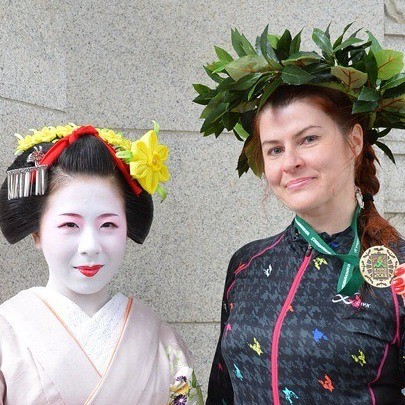 Guide license
Endless discovery. Rich history. Millions of tourists from all over the world. Welcome to Japan. At your service: …
 Guide license
Kyoto, Osaka, Nara, Himeji. Kyoto is the ancient capital of Japan, now the center of tourism. Here you can not only get …
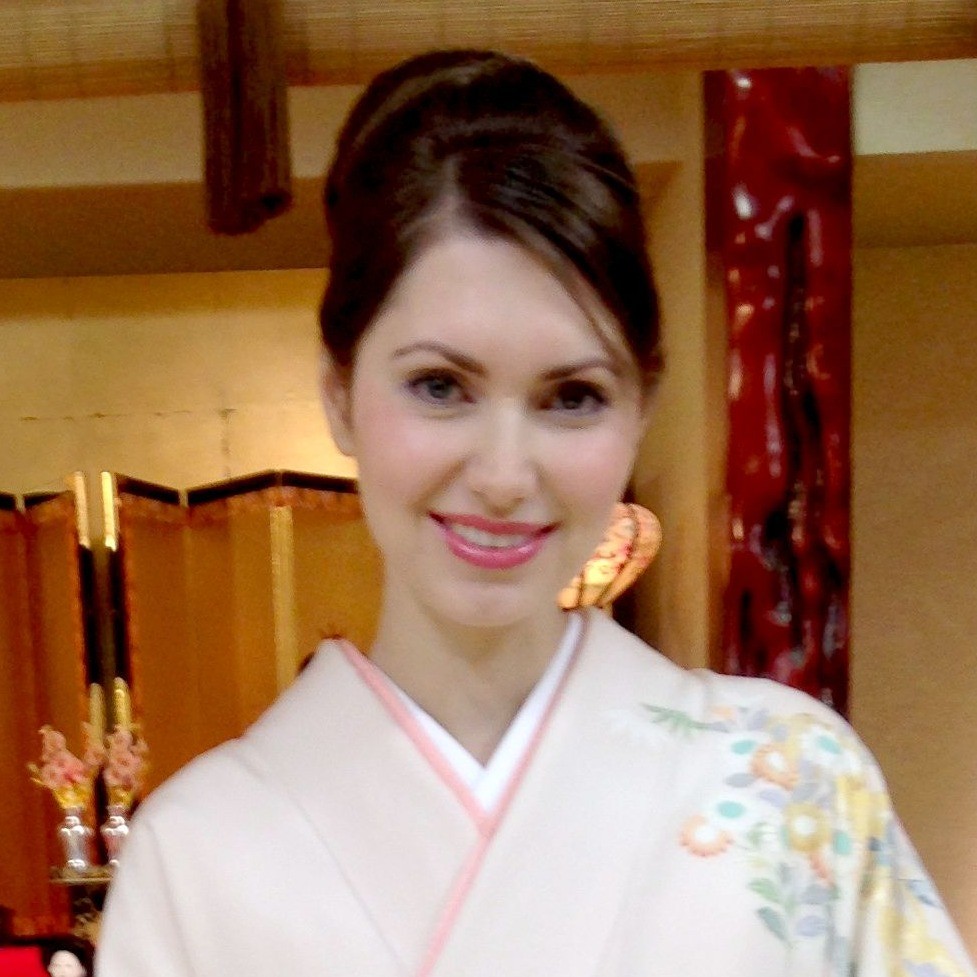 Guide license
Dear travelers! Since 2004, I have lived in Kyoto, Japan’s oldest city, which has been the capital for more than 1,000 y …
 Guide license
We organize individual and group excursions for you, taking into account all your wishes.
Kyoto in Japan is one of the most historically significant and culturally rich places in the country. It was founded in 794 as the imperial capital of the country and maintained its status for over a thousand years, until 1868, when the capital was moved to Tokyo. Kyoto has remained the center of Japanese culture, and its unique architecture, temples, gardens and traditions attract many tourists from all over the world.
The city served as the cultural and religious center of Japan, and many of its historical monuments have survived to this day. Among them are famous Kyoto temples such as Kinkakuji (Golden Pavilion), Ginkakuji (Silver Pavilion), Fushimi Inari and Kiyomizu-dera.
The Meiji period (1868-1912) brought significant changes in Kyoto history, including the transfer of the capital to Tokyo and the modernization of the country. Nevertheless, the city has managed to preserve its cultural and historical value, and today Kyoto is a recognized UNESCO World Heritage Site and the embodiment of Japanese traditional heritage.
The city of Kyoto in Japan is a place rich in history and cultural heritage, one of the important centers of the Japanese tradition. Let’s look at the main aspects that characterize the inhabitants of this unique city:
Population density: Kyoto, being an ancient city, is not as densely populated as the modern metropolises of Japan. However, in the city centre and around cultural and historical monuments such as temples and gardens, there can be high population density.
Education: Kyoto is famous for its educational institutions, including prestigious universities and research institutes. Locals often value education, and the city attracts students from all over Japan and the world.
Nationality: Most of the inhabitants of Kyoto belong to the Japanese ethnic group. Due to the historical features of the city, traditions and customs are preserved here, and its inhabitants can take a greater interest in preserving cultural heritage.
The economy of Kyoto is diverse. The city serves as a center of tourism, attracting visitors with its temples, gardens, traditional crafts and architecture. Kyoto is also known for its electronics and innovation industry. Traditional crafts also flourish in the city, including the creation of kimonos, teaware, the art of tea ceremony and woodworking.
Cultural aspects: The culture of Kyoto reflects the richness of Japanese heritage. The city is famous for its traditional festivals, theatrical performances and the art of the tea ceremony. Kyoto residents can participate in the maintenance and development of traditions such as geisha and maiko, giving tourists the opportunity to immerse themselves in the authentic Japanese experience.
The people of Kyoto, therefore, represent a society where modernity coexists with tradition, and where residents pride themselves on their contribution to Japan’s rich cultural heritage.

Kyoto, being a living museum of Japanese history and culture, attracts tourists with its unique atmosphere, architectural splendor and deep traditions. Here are some attractive features of the city that can attract tourists:
Historical temples and temple complexes: Kyoto is famous for its many temples, including Kinkakuji (Golden Pavilion), Ginkakuji (Silver Pavilion) and Kiyomizu-dera. These shrines provide a unique opportunity to immerse yourself in Japanese religious practice and architecture.
Traditional tea ceremonies: Tourists can take part in traditional Japanese tea ceremonies, experiencing the grandeur of the tea culture, which is an integral part of the Japanese national heritage.
Geisha and traditional arts: Kyoto is one of the few places where you can still find geisha and maiko. Tourists have the opportunity to visit the artificial quarters of Gion and Ponto-cho to enjoy traditional Japanese performances and cultural events.
Japanese Gardens and Nature: Beautiful gardens such as Heian Garden in Kiyomizu-dera and Ryoanji Garden provide tourists with peaceful corners with natural beauty and characteristic elements of landscape design.
Traditional crafts and markets: A variety of workshops and traditional markets provide tourists with the opportunity to get acquainted with Japanese craft traditions, purchase unique souvenirs and enjoy the atmosphere of authentic shopping streets.
All these factors have made Kyoto one of the most attractive tourist destinations in Japan, providing a unique opportunity to immerse yourself in the country’s rich history and culture.
You'll be met in Kyoto. private guides And they'll offer you a copy. individual toursTravel agencies of the city of Kyoto will offer their services and organize tours and interesting excursions for travelers.
Kyoto has many cultural and historical attractions. It is important to note that distances can vary depending on the specific location in the city center, and vehicles can vary travel times. Below are a few key attractions and approximate distances from the city center:
Kinkakuji (Golden Pavilion):
Ginkakuji (Silver Pavilion):
Kiyomizu-dera:
Fushimi Inari Taisya:
Ryoanji Garden:
Gion (quarter with geisha):
Arashioama (Bamboo Forest District):
Note that Kyoto is a city with an extensive public transport system, so access to attractions is facilitated by the use of buses and trains. Tourists may also prefer to hike to enjoy the city’s unique atmosphere.

The climate in Kyoto varies depending on the time of year, and each season offers its own unique benefits to travelers. Here is a brief description of the climate in Kyoto during the year:
Spring (March-May):
Summer (June to August):
Autumn (September-November):
Winter (December to February):
Deciding when to visit Kyoto depends on weather preferences and events you would like to see. Spring and autumn are often recommended as the best times to visit because of the pleasant temperatures and beautiful natural phenomena.

Kyoto offers a variety of accommodation options, ranging from traditional riocans (Japanese guesthouses) to modern hotels. The level of service and prices can vary significantly depending on the type of accommodation chosen. Here is the general characteristic of the various options:
Riocans:
Modern hotels:
Guesthouses and hostels:
Traditional Japanese hotels (ryokan):
In general, Kyoto offers a variety of accommodation options for different budgets and preferences. When choosing, you should take into account the location of the hotel relative to the main attractions and the amenities provided.

Language of communication: The official language in Japan is Japanese. In most tourist destinations and hotels, English is widely spoken, but in some less touristy areas or among older generations, it may be difficult to understand English. Being able to use at least a few phrases in Japanese can be helpful.
Traditions and customs:
Politeness and respect: The Japanese attach great importance to courtesy and respect. Greet and say goodbye with a smile, using appropriate phrases ("connitiva" - good afternoon, "arigato gozaimas" - thank you, "sumimasen" - sorry).
Shoes: In many traditional places and some living areas, shoes are removed when entering a house or temple. Slippers may be provided in some places.
Clothing uniform: To visit sacred places and religious sites, it is recommended to wear moderate and decent clothing. In Japanese baths, it is important to be clean before entering the bath.
Tip: Tipping is not accepted in Japan. Service is included in the bill, and even a small tip can be perceived as an insult.
Laws:
Smoking: In public places, you can smoke only in specially designated places. Smoking on the street is also limited.
Public transport: Speaking loudly on public transport is considered impolite. Mobile phones should be found in silent mode.
Photography: In some temples and sacred places, photography may be prohibited or allowed only in certain areas.
Compliance with queues: Japanese people queue on public transport and other places, and this is expected from tourists.
A trip to Kyoto is a great opportunity to immerse yourself in Japanese culture, and adhering to traditions and laws will help you enjoy a pleasant experience and avoid misunderstandings.

Kyoto hosts many traditional and cultural events, celebrations and festivals that attract both locals and tourists. Here are some popular events to consider when planning a trip to Kyoto:
Hanami (sakura blossom):
Gion Matsuri (Gion Festival):
Arasiyoama Hanatori (Bamboo Flower Festival in Arasiyoam):
Daitoe (Day of Open Doors in Temples and Shrines):
Momiji Garden (Festival of Beautiful Bones)
Higashi Honganji Shinsengumi Matsuri:
These events are just a small part of Kyoto’s rich cultural calendar. When planning a trip, it is worth checking the dates of festivals and events to fully enjoy the unique atmosphere of the city.

Japan is generally considered one of the safest countries in the world, and Kyoto is no exception. Crime is low and tourists can feel relatively safe in most areas of the city. However, as in any other place, basic precautions such as taking care of personal belongings should be followed.
Documents and insurance:
Passport: Tourists from most countries require a passport to enter Japan. Make sure your passport is valid for the entire period of stay.
Visa: Citizens of many countries need a visa to enter Japan. Before traveling, check the visa requirements at the Japanese consulate or embassy.
Insurance: It is recommended to obtain health insurance in case of unexpected medical expenses or emergency medical care.
Emergency services and connected mobile operators:
Fire service, police, ambulance: In case of an emergency in Japan, you can dial 110 (police) or 119 (fire and ambulance). For English-language assistance, you can use the Japanese Helpline service at 0120-461-997.
Mobile operators: Japan has many mobile operators such as NTT Docomo, SoftBank and KDDI (au). Tourists can use the services of renting a local SIM card or mobile roaming.
Tourists arriving in Japan for a short period of time can stay up to 90 days without leaving the country. If you plan to stay longer or have other plans related to work or study, it is recommended that you contact your local foreign affairs office for appropriate information and permits.
Create a query and local guides will offer you the best options