Medieval fjords, Adriatic beaches and mountain serpentine.
Imagine a country where an hour from a medieval city on the banks o …
Oh. Montenegro
Travel and rest in Montenegro
A brief history of the country of Montenegro
Montenegro, or the Republic of Montenegro, is a small country located on the Balkan Peninsula in southeastern Europe. Its history is rich in events, including periods of independence, military conflicts, and the influence of various empires and political forces over many centuries.
Ancient times: The territory of present-day Montenegro was inhabited in ancient times. At this time there were various tribes, including Illyrian and Dacian. In ancient times, this area was also part of the Roman Empire.
The Middle Ages and the Formation of Montenegro In the Middle Ages, Montenegro began to form as an independent principality. It was influenced by Byzantium, the Venetian Republic and the Serbian Kingdom. At this time, many famous monasteries and churches were built on its territory.
The Ottoman Empire: In the 15th century, Montenegro faced an invasion by the Ottoman Empire. Local clans resisted capture and successfully maintained their independence. This period of struggle against the Turkish conquerors proved critical for the formation of national consciousness.
Opposition to the Turks: Montenegro fought constant battles with the Ottoman Empire for several centuries. Montenegrins were known for their bravery and resistance. They held onto their mountains using guerrilla warfare tactics and the geographic advantages of the region.
Independence: In the 19th century, after many battles and numerous resistances, Montenegro gained formal independence from the Ottoman Empire. During this period it became a kingdom under the leadership of the Petrovich-Niegus dynasty. Although the country pursued a policy of neutrality, it allied itself with Serbia and Yugoslavia.
Wars and conflicts: In the 20th century, Montenegro was involved in several military conflicts, including the two world wars and the Yugoslav wars of the 1990s. In 2006, Montenegro held a referendum on independence and seceded from Serbia, becoming a fully independent state.
Today Montenegro is a multi-party parliamentary republic. It seeks integration into the European Union and NATO. Tourism plays an important role in the country’s economy due to its beautiful landscapes, Adriatic coastline and cultural heritage.
This is just a brief overview of the history of Montenegro. The country has a rich cultural heritage, which continues to form in modern conditions.
Main activities, religion and interests of the local population in Montenegro
In Montenegro, the main employment of the population can be divided into several main areas:
Tourism: Tourism plays an important role in the economy of Montenegro. Beautiful landscapes, clean beaches of the Adriatic coast, historical sights such as old towns and monasteries attract tourists from all over the world. Locals are often employed in hotel, restaurant, transportation and other related industries.
Agriculture: Although Montenegro is a small country, agriculture plays a significant role in its economy. The most common cultivation of olives, grapes, citrus fruits, as well as livestock and fishing.
Industry: Industry in Montenegro is less developed compared to other industries, but still plays a role. This includes metalworking, mining (including bauxite and other ores), and the food and textile industries.
Regarding the religion and interests of the local population:
Religion: Montenegro has a diverse religious heritage. The main religion is Orthodoxy, which is accepted by 72% of the population. Catholicism is the second largest, with about 20% of Montenegrins of Italian and Croatian descent practising this faith. There is also a Muslim population, making up about 4-5% of the total population.
The interests of the local population: In their free time, many Montenegrins prefer an active lifestyle. Popular outdoor activities include mountain hiking, cycling, mountaineering, as well as water sports such as diving, sailing, and fishing. Cultural events such as festivals, concerts and traditional festivals are also popular among the local population.
Interesting places and attractiveness of Montenegro
Montenegro is a small country, but with a rich and diverse nature, amazing historical sights and cozy resorts on the coast. Here are some aspects that make Montenegro attractive for travelers and tourists:
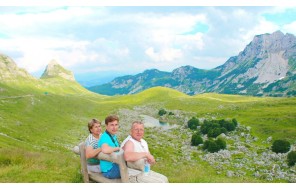
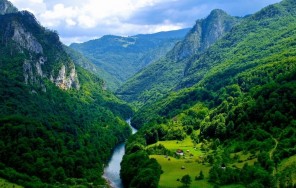
Natural beauty: Montenegro offers unique natural landscapes including high mountains, picturesque lakes, deep canyons and beautiful Adriatic beaches. Durmitor National Park, Lake Skadar and Tara Canyon are just some of the places that will leave an unforgettable experience for nature lovers.
Historical heritage: Montenegro has many historical and cultural attractions, including medieval castles, monasteries and ancient cities. The most famous are Kotor, Budva, Cetine and Herceg Novi.
Adriatic coast: The coast of Montenegro stretches for several hundred kilometers and is windingly divided by bays and bays. Here you can find beautiful sandy and pebble beaches, secluded coves and picturesque resort towns such as Budva, Herceg Novi and Sveti Stefan.
Active recreation: Montenegro offers many opportunities for outdoor activities, including hiking in the mountains, cycling, mountaineering, diving, sailing and mountain river rafting.
Local cuisine: Tourists can try a variety of local cuisine, including fresh seafood, local cheeses, olives, wine and the national dish - pršut (dried pork neck).
Local hospitality: Montenegrins are known for their warm welcome and hospitality, which creates a cozy atmosphere for tourists.
The combination of natural beauty, rich cultural heritage, opportunities for outdoor activities and magnificent local cuisine makes Montenegro an attractive place for recreation and travel.
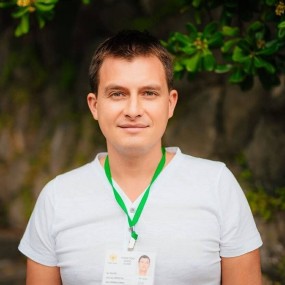
In Montenegro, you will be welcomed. private guides And they'll offer you a copy. individual toursTravel agencies of Montenegro, offer their services and organize tour Interesting excursions for travelers.
Transport accessibility and level of comfort, accommodation and food in Montenegro
In Montenegro, the level of transport, restaurants, hotels and service in general meets international standards, although in different regions there may be differences in quality and pricing. Below are examples of popular places to stay and eat, from expensive to more affordable options:
Hotels:
Aman Sveti Stefan: This luxury hotel is located on an island in the bay of Sveti Stefan and offers exclusive accommodation in ancient stone houses. Prices here correspond to a high level of service and convenience.
Regent Porto Montenegro: Luxury hotel in the port of Montenegro, offering excellent rooms and services, including a spa, swimming pools and world-class restaurants.
Hotel Splendid Conference & SPA Resort: This hotel is located in the city of Budva and offers luxurious rooms with sea views, as well as a wide range of services, including a spa, restaurants and bars.
Apartments and Guesthouses: Montenegro also has many apartments and guest houses offering more affordable accommodation. This can be an apartment on the beach or in the mountains, which provide basic amenities for a comfortable stay.
Restaurants:
Stari Grad Restaurant (Old Grad): The restaurant is located in the old town of Kotor, offering traditional Montenegrin dishes and exquisite service.
Konoba Catovica Mlini: This restaurant is located in the village of Milocer and specializes in local cuisine made from fresh produce.
Restaurant Conte Perast: Located in the historic city of Perast, this restaurant offers an exquisite menu of Mediterranean cuisine and beautiful views of the bay.
Local Taverns and Cafes: Many towns and villages in Montenegro have local taverns and cafes where you can taste authentic dishes at more affordable prices.
The overall impression of the quality of service in Montenegro is positive, and the country offers a variety of accommodation and dining options to suit different budgets and tourist preferences.
What to see in Montenegro
Montenegro offers many unique attractions that attract tourists from all over the world. Here are some of the main ones:
Old Town of Kotor (Stari Grad Kotor): This medieval town, located on the shores of the Bay of Kotor, is known for its narrow streets, historic buildings, including the Cathedral Church of St. Tryphon, as well as magnificent views from the fortress of St. John.
Sveti Stefan Island: Connected to the mainland by an artificial path, this island is a unique resort among beautiful beaches and luxury hotels.
Lake Skadar (Skadar Lake): This is the largest lake on the Balkan Peninsula, with amazing nature, many species of birds and picturesque landscapes. The lake is part of the national park of the same name.
Durmitor National Park: This UNESCO World Heritage Site is famous for its high mountains, deep canyons, crystal clear lakes and beautiful hiking trails.
Perast and Our Lady of the Rocks: These two charming places are located on the shores of the Bay of Kotor and are famous for their history, architecture and beautiful views of the bay.
In terms of transport accessibility, many of these places can be reached by public transport or rental cars. The main towns and resort areas such as Kotor, Budva and Podgorica are well connected by bus and rail routes. It is also possible to rent a car or use taxi services for easier travel around the country and visiting remote places. It is important to note that some places, such as Sveti Stefan Island, may only be accessible to hotel guests or with limited access.
Holidays, cultural life and activities of Montenegro
Montenegro has several popular events, holidays, festivals and concerts that take place at different times of the year and attract both locals and tourists. Here are some of them:
Montenegro Independence Day (21 May): This holiday marks Montenegro’s Independence Day when the country declared its independence from Serbia in 2006. On this day, festive events, parades, fireworks and concerts are held.
International Film Festival on the Coast (July-August): This film festival, which takes place in the cities of Budva and Herceg Novi, attracts film lovers from all over the world. The festival features films of different genres from local and international directors.
Sea Dance Music and Art Festival (July-August) Hosted on Budva’s Bularica beach, this festival offers a wide range of musical genres including pop, rock, electronic and world music. The festival also includes art, theater, dance and master classes.
Traditional holidays and festivals: Throughout the year, various traditional holidays and festivals are held in various cities and villages of Montenegro, such as the Carnival of Kotor, the Festival of St. Tryphon in Podgorica, the City Day in Budva and much more. These activities usually include parades, folk festivals, musical performances, dances and national gastronomic treats.
Olives and Olives Festival (November): This festival, which is held in the city of Bar, is dedicated to the olive culture of Montenegro. Within the framework of the event, exhibitions, master classes, competitions and tastings of products are held.
This is just a small overview of the various events that take place in Montenegro throughout the year. Each event has its own unique features and attracts different categories of visitors.
What weather is best for traveling to Montenegro
Montenegro has a Mediterranean climate with some variations in different regions of the country. Here is a general characteristic of the climate at different times of the year:
Summer (June - August):
Air temperature: In July and August, the average maximum temperature is around 30-35°C in coastal areas and can rise higher in the interior of the country.
Water temperature: The waters of the Adriatic Sea warm up to a comfortable 25-28 ° C, which makes a beach holiday pleasant.
Climate: Summer in Montenegro is characterized by sunny days, low rainfall and high humidity.
Autumn (September to November):
Air temperature: In September and October, the temperature is still warm, around 25-30°C, but as it approaches November, it begins to drop to 15-20°C.
Water temperature: The sea waters remain warm, around 22-25°C in September and October.
Climate: Autumn in Montenegro is usually dry and sunny, with possible brief rains. This period is characterized by fewer tourists and a calmer atmosphere.
Winter (December to February):
Air temperature: In winter, the average air temperature ranges from 5°C to 15°C, while in mountainous areas can be below zero.
Water temperature: At this time of year, the sea temperature drops to about 15°C.
Climate: Winter in Montenegro is mild, with changeable weather. Snowfall is possible in mountainous areas, making them attractive for winter sports.
Spring (March-May):
Air temperature: In spring, temperatures begin to rise, reaching between 15°C and 25°C by the end of May.
Water temperature: In spring, the sea water begins to warm up, but it is still cool, around 15-18°C at the beginning of the season and around 18-22°C at the end of May.
Climate: In the spring, many plants bloom in Montenegro, and the mountains are filled with picturesque colors. This is the perfect time for hiking and exploring nature.
The best time to travel to Montenegro depends on your vacation preferences. Summer is popular among beach lovers, autumn and spring may be preferred for those who prefer a calmer atmosphere and fewer tourists, and in winter you can enjoy mountain views and winter sports.
Language of communication, traditions, customs and laws of Montenegro
The official language of communication in Montenegro is Montenegrin, which is used in official documents, educational institutions and the media. Serbian, Croatian and Bosnian languages are also widely spoken, and many people speak these languages on an everyday level. In tourist areas and public places, English and some other foreign languages are commonly spoken.
In order to observe traditions, customs and laws when visiting Montenegro, the following should be taken into account:
Respect for culture and religion: Montenegro is a multinational state with a diverse culture and religious traditions. It is important to respect the faith and customs of the local people.
Decent view: In public places it is recommended to dress modestly and respectfully. In some places, especially in temples and monasteries, a visit is possible only in strict dress.
Cleanliness and order: It is important to respect the environment and maintain cleanliness in public places. Take care of nature and use garbage cans.
Respect for elders and traditions of hospitality: Traditionally, Montenegrins are very hospitable to visitors. Respect your elders and follow their recommendations.
Compliance with laws: When visiting Montenegro, it is important to comply with local laws and regulations, including traffic rules, banning smoking in public places, etc.
Features of behavior in public places: Avoid loud talk and disorderly behavior in public places.
Features of nutrition: Restaurants and cafes usually expect a service markup already included in the bill, but additional tips are welcome.
Compliance with these traditions and customs will help make your trip to Montenegro more enjoyable and respectful of the local culture and residents.
The main dialogues for travel in Montenegro
Here are some basic local words and phrases that can come in handy when traveling in Montenegro, with Russian translation and transcription:
Hello, sir.
Montenegrin: Hello (Zdravo)
Transcription: ZDRAH-voh
Russian: Hey.
Thank you.
Montenegrin: Praise (Hvala)
Transcription: HVAH-lah
Russian: Thank you.
Please:
Montenegrin: Molim (Molim)
Transcription: MOH-leem
Russian: Please
Yes:
Montenegrin: Yes (Da)
Transcription: dah
Russian: Yes
No:
Montenegrin: Not (Ne)
Transcription: neh
Russian: No
Hey, how are you?
Montenegrin: Hey, what's that?
Transcription: ZDRAH-voh, KAH-koh steh?
Russian: Hey, how are you?
How much does it cost?
Montenegrin: Colico Costa? (Koliko košta?)
Transcription: koh-LEE-koh KOHSH-tah?
Russian: How much does it cost?
Where is the...? :
Montenegrin: Where are you going? (Gde se nalazi...?)
Transcription: gdeh seh nah-LAH-zee...?
Russian: Where is...?
I don't understand:
Montenegrin: We don't understand.
Transcription: neh rah-ZOO-mee-yem
Russian: I don't understand.
Can I...?
Montenegrin: Can you...? (Može...?)
Transcription: MOH-zheh...?
Russian: Can I...?
These are basic phrases that can be useful when communicating with locals in Montenegro. Knowing and using these phrases will help make your journey more comfortable and enjoyable.
What dishes, medicines and gifts are popular in Montenegro
In Montenegro there are many unique and interesting products, medicines and souvenirs that can be brought with you from a trip. Here are a few of them:
Cheese from Montenegro: Montenegro is famous for its variety of cheeses, including Sliven, Negush and Swallow cheese. They are a great souvenir and can be an ideal gift for lovers of local cuisine.
Honey and bee products: Montenegrin honey is known for its quality and taste. Other bee products such as propolis and beeswax can also be found, which are known for their medicinal properties.
Medicinal herbs and oils: In Montenegro, medicinal herbs such as lavender, melissa, rosemary and others have long been used. These herbs can be bought in the form of dry teas or essential oils, which are used in aromatherapy and traditional medicine.
Olive oil: Montenegro produces high-quality olive oil, which is known for its beneficial properties and taste. It is a great souvenir and is suitable for use in cooking.
Local wines and liquors: Montenegro is also known for its winemaking traditions. You can buy various local wines such as Vranac and Krsan swimmer, as well as pours of various fruits.
Ceramics and handicrafts In various cities of Montenegro you can find beautiful ceramics, handmade textiles and other unique souvenirs that reflect local traditions and culture.
The best medical services: Montenegro has become an increasingly popular destination for medical tourism in recent years, thanks to its modern medical facilities and excellent specialists in various fields of medicine. So if you need treatment or specialist advice, Montenegro can offer excellent services in this field.
These items are not only unique souvenirs, but also healthy foods and products that can improve your health and well-being.
What to prepare for a safe holiday in Montenegro
When traveling to Montenegro, it is important to ensure safety both during holidays and in everyday life. Here are some important points to consider:
Documents and insurance:
When entering Montenegro, you must have a passport that is valid throughout your stay in the country.
It is recommended to have health insurance that covers medical expenses abroad, if necessary.
We advise you to have copies of important documents (passport, insurance, etc.) in case of their loss or theft.
Emergency services:
Police: 122
Fire service: 123
Ambulance: 124
Common emergency number: 112 (works in all EU countries)
Mobile communications:
Montenegro has several mobile operators, such as Telenor, Telekom, m:tel, which provide communication and Internet access services. You can purchase a SIM card from any of these operators at the airport or local stores.
Safety:
The overall level of security in Montenegro is usually high, especially in tourist areas. However, as elsewhere, caution should be exercised and dangerous areas or situations avoided.
There can be pickpocketing and fraud in tourist areas, so it is advisable to be vigilant and leave valuables in hotels or with you.
Be careful on roads, especially in mountainous areas where roads can be narrow and winding.
Duration of stay without leaving the country:
Citizens of EU and Schengen countries can stay in Montenegro without a visa for 90 days in a 180-day period. This period may differ for citizens of other countries, so before traveling, you should check the information at the Consulate or Embassy of Montenegro.
Ensuring your safety and having the necessary documents and contacts of emergency services will help make your stay in Montenegro pleasant and safe.
Local currency and customs regulations in Montenegro
The currency of Montenegro is the Euro (EUR). As a rule, in most tourist places, hotels, restaurants and shops accept euros. However, in some places you can also pay with Visa and Mastercard cards.
As for the exchange rate, it can vary depending on where you exchange money. It is recommended to conduct an exchange in banks or official exchange offices for the best rate. Usually, the exchange rate of the euro against the US dollar in Montenegro corresponds to the official exchange rate in international exchange markets.
With regard to customs regulations, it is important to consider the following:
Entrance to Montenegro:
Citizens of a country of the European Union can bring personal belongings and goods to Montenegro for personal use without additional duties or taxes.
When importing funds in the amount exceeding 10,000 euros (or the equivalent in another currency), it is necessary to declare them when entering the country.
Departure from Montenegro:
When leaving Montenegro, there are similar rules for the import and export of funds. EU citizens can export goods purchased in Montenegro for personal use without additional duties or taxes.
Customs restrictions:
There are restrictions on the import and export of certain goods such as alcohol, tobacco, medicines and food. Before traveling, you should familiarize yourself with the rules and restrictions of import and export of goods to Montenegro.
In general, customs regulations in Montenegro are quite standard and comply with the general rules of the European Union. Compliance with these rules will help to avoid problems and troubles when entering and leaving the country.
Country maps Montenegro
Country tourist maps Montenegro - routes, attractions and unique objects.
The site uses a web analytics service
Yandex Metrics
using cookie technology to make the site more convenient. You can prevent the processing of cookies in the browser settings.
Details in Privacy policy.





 Guide license