The history of Denmark is rich and fascinating, it begins long before our era and spans different eras, from the Vikings to the modern constitutional monarchy. Here is a brief overview of the history of this fascinating country:
Antiquity and Vikings: The region where Denmark is located today was inhabited in the Stone Age. During the Viking period (circa VIII-XI centuries), Danian navigators and conquerors dominated the Baltic Sea and northwestern Europe. They carried out trade, explored new lands and participated in military campaigns.
Middle Ages: In the eleventh century Denmark became a kingdom. At this time, the first cities such as Copenhagen and Odense were formed. In the XIV century, Denmark, along with Norway and Sweden, joined the Kalmar Union, which for a long time united the Scandinavian countries under a single rule.
Reformation and Absolutism: In the sixteenth century Denmark adopted Protestantism as a result of the Reformation. During the time of absolutism in the seventeenth century, the monarchy gained great power, and King Frederick III introduced absolutism in Denmark in 1660, adopting a new Constitution.
Empire and colonial past: In the XVII-XIX centuries, Denmark participated in the creation of colonial empires, owned some territories in Africa, the Caribbean and other continents.
Modern history: In the nineteenth century Denmark became a constitutional monarchy. In 1849, the first constitution was adopted. Denmark remained neutral in both world wars, although Germany occupied the country during World War II. After the war, Denmark became a founding member of NATO and an active member of the European Union.
Modern Denmark is a prosperous country with a high level of prosperity, with a developed social system, economy and culture. She is known for her innovations in green technology, design and cooking.
Today, Denmark remains an important member of the global community, a country with a high standard of living and one of the happiest places to live in the world.
Main activities, religion and interests of the local population in Denmark
The main employment of the Danish population is concentrated in various sectors of the economy, including industry, services and knowledge. Here are some of the main activities and interests of the local population:
Industry: Denmark has a developed industry including food production, mechanical engineering, pharmaceuticals, electronics and energy. Large Danish companies such as LEGO, Novo Nordisk, Maersk, Vestas are world leaders in their industries.
Services and tourism: The service sector also plays an important role in the Danish economy. Tourism is a significant industry due to its rich history, cultural heritage and beautiful nature. Copenhagen, with its sights, museums, restaurants and shops, attracts many tourists.
Area of knowledge: Denmark is renowned for its high-quality education system and research. Universities, research institutes and innovative companies play an important role in the development of the country. Denmark also actively attracts international students and professionals through its education programs and career opportunities.
Religion: The dominant religion in Denmark is Christianity, predominantly Protestantism in the form of the Danish National Church, which is part of the Episcopal Union. However, the population also includes people belonging to other Christian denominations, as well as Muslims, Jews and representatives of other religious communities.
The interests of the local population: Denmark is a country with a high level of cultural interest. Residents strive for an active lifestyle, value their free time and pay attention to cultural and entertainment activities. Cultural festivals, exhibitions, concerts, theatrical performances and sports events are popular among the local population. In addition, Danes often spend time in nature, cycling and other outdoor activities are very common. Social activism, environmental concern and political participation are also important interests.
Interesting places and attractiveness of Denmark
Denmark is an amazing country, combining a rich cultural heritage, amazing nature, modern cities and a high level of comfort. Here are some reasons why Denmark is so attractive to travelers and tourists:
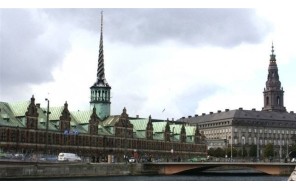
Copenhagen is the jewel of Scandinavia: The capital of Denmark, Copenhagen, is a metropolis with the charm of a small town. Its beautiful streets, old buildings, cozy cafes, numerous museums and modern architectural masterpieces attract tourists from all over the world. The magnificent Royal Palace, the famous sculpture “Little Mermaid”, the amusement park Tivoli Gardens and other attractions will make your stay unforgettable.
Historic cities: Apart from Copenhagen, Denmark is famous for its charming historic cities such as Odense, Aalborg and Aarchus. In these cities you can plunge into the atmosphere of the Middle Ages, walk through the narrow streets, visit ancient castles and fortresses, as well as enjoy the local culture and cuisine.
Natural beauty: Denmark has breathtaking nature, including coastlines with beautiful beaches, green meadows, picturesque islands and wooded hills. A visit to Funen and Zeeland will allow you to enjoy the scenery and taste the local delicacies. It is also worth visiting the Jutland Peninsula with its beautiful parks and reserves.
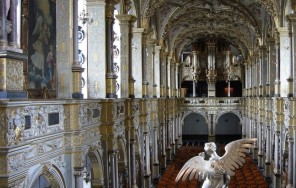
Cultural activities: Denmark hosts various cultural events, including festivals, exhibitions, concerts and performances. Art lovers will find many museums and galleries here, including Kronborg Castle (based on Hamlet), the National Museum of Denmark and much more.
Modern design and gastronomy: Denmark is known for its modern design and culinary delights. You can enjoy magnificent Danish cuisine, including seafood, Danish sandwiches, as well as Michelin-starred restaurants.
The combination of these factors makes Denmark an attractive destination for travelers and tourists, promising unforgettable experiences and memories.
In the country of Denmark, you will be met. private guides And they'll offer you a copy. individual excursions, a travel agencies of the country of Denmark, will offer their services and organize tour Interesting excursions for travelers.
Transport accessibility and comfort, accommodation and food in Denmark
In Denmark, the level of transport, restaurants, hotels and other services is usually high, meeting the standards of Western Europe. Here are some examples of different categories of services in Denmark:
Transport:
Public transport: In Danish cities such as Copenhagen and Aarhus, a wide range of public transport is available, including buses, subways, trains and trams. These systems are well developed, comfortable and efficient.
Car rental: For those who prefer to drive independently, there are many rental companies in Denmark offering a wide range of cars.
Bicycles: Denmark is known for its cycling culture and many cities have developed infrastructure for cyclists. Bicycles are easy to rent in various parts of the city.
Restaurants:
Nato: This prestigious restaurant in Copenhagen offers upscale Danish cuisine, exquisite dishes and an elegant setting. Prices correspond to high quality of service.
Madklubben: It is a chain of restaurants offering more affordable prices and a modern interpretation of Danish cuisine. These restaurants are located in different parts of the city and offer excellent value for money.
Street Food Markets: Street food markets such as Reffen in Copenhagen are also popular in Denmark. Here you will find a variety of dishes at more affordable prices.
Hotels:
Nimb Hotel: This five-star hotel is located in Tivoli Gardens in the heart of Copenhagen and offers luxury rooms, high-end restaurants and first-class service.
Andersen Boutique Hotel: This hotel in the center of Copenhagen offers stylish rooms at more affordable prices, combining comfort and modern design.
Hostels and guest houses: Denmark also has many hostels and guesthouses offering more affordable accommodation for budget travelers.
These are just a few examples of different transport options, restaurants, hotels and other services in Denmark. Overall, the country offers a wide range of choices, from luxury and expensive options to more affordable and cost-effective ones.
What to see in Denmark
Denmark is replete with various attractions that attract tourists from different parts of the world. Here are some of the main attractions and information about their transport accessibility:
Copenhagen:
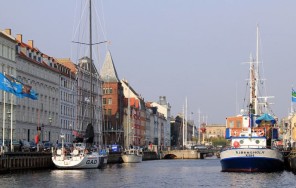
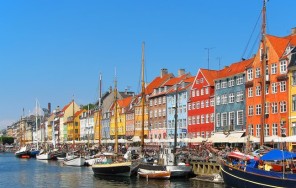
Nyhavn: It is a historic district where the Royal Palace, Parliament and other historic buildings are located. It has convenient transport accessibility, as many attractions are within walking distance from the central station.
Tivoli Gardens: This famous amusement park is also located in the center of Copenhagen and is accessible on foot or by public transport.
Castles of Denmark:
Kronborg: This castle, located in the city of Helsinger, is known as "Elsinor" in Shakespeare's tragedy "Hamlet". Available by train or bus from Copenhagen.
Fredericksborg: Another famous castle, located in Hilleröd, is a short train ride from Copenhagen.
Islands:
Funen: On this picturesque island is the famous Helsingor Bridge, connecting the islands of Funen and Zealand. Available by train or bus from Copenhagen.
Zealand: Most of the island’s tourist attractions, such as Kronborg and Frederiksborg Castle, are easily accessible by train from Copenhagen.
Aarchus:
Aros Museum: This modern museum is known for its exhibitions of contemporary art and "Rainbow Panorama" - a unique art installation. Aarchus is available by train from Copenhagen or other cities in Denmark.
Legoland Bildund:
This famous Legoland amusement park is located in the city of Bilund on the Jutland Peninsula. Available by train or bus from Copenhagen or other cities in Denmark.
In general, many of Denmark’s famous attractions are easily accessible by public transport from cities such as Copenhagen and Aarchus. Transport infrastructure is usually well developed, which provides convenient opportunities for traveling around the country and visiting interesting places.
Holidays, cultural life and activities in Denmark
There are many interesting events and festivals in Denmark throughout the year. Here are some of the most popular events that occur at different times of the year:
Danish Carnival (Fastelavn): This carnival, similar to the German Carnival and the Brazilian Carnival, is held in late February or early March. At this time, costumed processions, contests and traditional games are organized in Denmark, and sweets are served, especially popular Danish cream buns.
Christmas markets and festivals (Jul): During Christmas and New Year, many different events take place in Denmark, such as Christmas markets, light festivals, concerts and traditional festive events.
Rose Festival (Roskilde Festival): This largest music festival in Scandinavia takes place annually in late June and early July in Roskilde. The festival features well-known music performers from around the world, as well as master classes, lectures and other cultural events.
Danish Cooking Weekend (Copenhagen Cooking & Food Festival) This festival is held in August and offers a unique opportunity to sample the best samples of Danish cuisine, as well as participate in culinary master classes, tastings and other events.
Friedensborg Classic Festival (Frederiksborg Classic Festival) This classical music festival takes place in July at Frederiksborg Castle. The festival features leading musicians, orchestras and ensembles from around the world.
These are just a few examples of events and festivals that take place at different times of the year in Denmark. In addition, the country also hosts various exhibitions, sports events, cultural festivals and other events that make a trip to Denmark fascinating and unforgettable.
Which weather is best for traveling to Denmark
The climate in Denmark is temperate, influenced by the Atlantic Ocean, resulting in relatively mild winters and cool summers. Here is an overview of the climate at different times of the year and recommendations for the best season to travel:
Spring (March-May):
Air temperature: In early spring it is usually cool, with air temperatures around 5-10°C, but as we approach May temperatures become more pleasant, averaging 10 to 15°C.
Water temperature: The sea temperature is usually quite low in early spring, around 5-10°C, but gradually rises towards the end of May.
In spring, Denmark comes to life after the winter season, blooms and greens, which makes this period great for walking through parks and gardens, as well as visiting various museums and city attractions.
Summer (June - August):
Temperature: In summer, Denmark is quite warm, with an average temperature of 15 to 25°C, but there may be hotter days with temperatures close to 30°C.
Water temperature: The water in the sea warms up towards summer, and the water temperature is usually in the range of 15 to 20°C, making it pleasant for swimming.
Summer is the most popular time to visit Denmark due to the warm weather, long days and many events and festivals.
Autumn (September to November):
Air temperature: In autumn, the air temperature gradually decreases, in September it is usually about 15 ° C, and in November already in the region of 5-10 ° C.
Water temperature: The temperature of the sea gradually decreases, remaining approximately in the range of 10 to 15°C.
Autumn in Denmark is also beautiful due to the bright autumn colors, harvest fairs and fewer tourists.
Winter (December to February):
Temperature: Denmark is cool in winter, with temperatures averaging between -2 and 5°C, although there may be colder periods with temperatures below freezing.
Water temperature: The water in the sea becomes cold, with a temperature of about 0-5 ° C.
Winter in Denmark creates a cozy atmosphere with Christmas markets, ice skating and other winter entertainment.
Based on the above, the best time to travel to Denmark is usually from mid-spring to mid-autumn, when the weather is warmer and temperate, and there are many interesting events and festivals.
Language of communication, traditions, customs and laws in Denmark
Danish (dansk) is the official language of Denmark, however English is widely spoken and understood by many residents, especially in cities and tourist destinations. Many Danes also speak German and other European languages. English is mainly used in the tourism industry, in communication with foreign visitors, in shops, restaurants and hotels.
It is important to observe the traditions, customs and laws when traveling to Denmark, including:
Polite communication: Danes are usually polite and respectful in communication. It is important to use greetings and thanks, such as “hello” (hej) and “thank you” (tak).
Cleanliness and order: In Denmark, cleanliness and order are valued. In public places, cleanliness should be observed and cleaned after using public areas.
Respect for cultural traditions: When visiting churches, castles and other cultural sites, it is important to observe rules of conduct and respect religious and cultural traditions.
Traffic laws and regulations: Follow the rules of the road and respect the rules of cyclists, as bicycles are a popular means of transportation in cities in Denmark.
Respect for nature and the environment: Denmark is famous for its beautiful natural landscapes. It is important to respect nature, do not leave garbage, observe the rules of visiting protected and natural areas.
Punctuality: Danes are usually very punctual. When meeting and traveling, you should stick to the schedule and be on time.
Adoption of national traditions and holidays: Participation in national holidays and traditions can be an interesting and informative experience. It is important to respect local customs and holiday traditions.
Compliance with these traditions, customs and laws will help make your stay in Denmark enjoyable and hassle-free, as well as allow you to enjoy the culture and hospitality of this amazing country.
The main dialogues for traveling in Denmark
Here are some basic local words and phrases in Danish that may come in handy when traveling in Denmark:
Welcome:
Hej (hey)
Godmorgen (godmornen) - Good morning
Goddag (gudai) - Good afternoon
Godaften (Godaften) - Good evening
Hej hej (hey hey) - Bye.
Please and courtesy:
- Thank you.
Mange tak - Thank you very much
Undskyld - Sorry/Sorry
Jeg beklager (their backcamp) - I'm sorry
Clarification:
Hvad?
- Hvordan?
- Where is it?
Hvor meget? - How much does it cost?
Shopping:
Købmand (Kubman) - Shop
Pris - Price
Kvittering (quiterine) - Receipt
Betaling (betaling) - Payment
Kreditkort (credit court) - Credit card
Food and drink:
Mad - Food
Vand (van) - Water
Øl (el) - Beer
Vin (wine) - Wine
Restaurant (restaurant) - Restaurant
Orientation and transport:
Bus (bus) - Bus
Tog (tog) - Train
Bil (bil) - Machine
Lufthavn (Lufthavn) - Airport
Toilet - Toilet
The weather:
Sol (sol) - Sun
Regn (regn) - Rain
Varme (varme) - Heat
Koldt (colt) - Cold
Farewell:
Farvel - Goodbye
Vi ses senere - See you later
Godnat - Good night
These phrases and words will help you communicate and navigate more easily during your trip to Denmark.
What dishes, medicines and gifts are popular in Denmark
A trip to Denmark provides many opportunities to try unique products, purchase interesting souvenirs and even discover healing traditions. Here are some suggestions:
Food:
Smørrebrød: Traditional Danish open sandwiches consisting of a variety of ingredients such as pickled herring, cheese, smoked salmon, smoked ham and other delicacies.
Danish maritime delicacies: Denmark is famous for its seafood such as herring, shrimp, oysters and squid. Try seafood at a restaurant or buy it at the market.
Danish cheese: Denmark produces a variety of cheeses, including the famous blue Castellan, Denmark Blue and Maasdam.
Medications:
Honey: Denmark is known for its quality honey, which can have healing properties for various diseases and to strengthen immunity.
Medicinal herbs: In Denmark, a variety of medicinal herbs such as melissa, chamomile, sage and many others are popular, which can be found in markets or in health food stores.
Souvenirs:
Royal Copenhagen Ceramics: It is a famous Danish factory producing ceramic products such as porcelain utensils, figurines and home decorations.
Danish troll dolls: Trolls are a symbol of Denmark and can be bought in the form of soft toys or souvenirs made of wood.
Hansen and Jacobsens: This is a Danish company specializing in the production of sea clothes and accessories, which can be a great souvenir or gift.
Gifts from travel:
Danish sweets: Bring some sweets from Denmark like Danish candy, chocolate or caramel to please yourself and your loved ones.
Photo albums and postcards: Take unforgettable photos and purchase a photo album or postcards with views of Denmark to preserve the memories of your trip.
Remember that when choosing food, souvenirs and medicinal products, it is important to consider local regulations and restrictions on importing products into your country.
What to cook for a safe holiday in Denmark
Denmark is considered a relatively safe country for tourists, but it is always important to take some precautions and be careful. Here are some tips for holiday safety in Denmark:
Documents:
When visiting Denmark, tourists are advised to carry a valid foreign passport or identity card.
If you are traveling with young children, make sure they have their passports or other necessary documents.
Insurance:
It is recommended to purchase health insurance that covers medical expenses and emergency medical care if necessary.
It is also useful to have insurance against loss of luggage or cancellation of a trip.
Emergency services:
Police: 112
Ambulance and Fire Service: 112
Common emergency number: 112
Mobile operators:
Denmark has several mobile operators such as TDC, Telenor, Telia and 3 (Tre). Check with your mobile operator the possibility of roaming in Denmark or purchasing a local SIM card for temporary use.
Residence without leaving the country:
Tourists from EU countries, the Schengen area and many other countries can stay in Denmark without a visa for 90 days in any 180-day period. This means you can stay in the country for up to three months without having to leave the country.
In general, Denmark is a relatively safe place to travel, but as in any other country, it is important to be vigilant, respect personal safety regulations and follow local laws and regulations. In the event of an emergency, emergency telephone numbers should be requested.
Local currency and customs regulations in Denmark
In Denmark, the local currency is the Danish Krone (DKK). Here is some information about local currency and customs regulations:
Danish crown (DKK):
Currency code: DKK
Rate to U.S. dollar: The rate may vary, but in general, 1 USD is about DKK 6-7 (as of January 2022).
Calculations:
In Denmark, it is customary to pay with cash or credit/debit cards. Most places accept cards, including Visa and MasterCard. Some places may also accept Apple Pay or Google Pay.
Customs regulations:
Import and export of currency: When importing or exporting cash amounts exceeding the equivalent of 10,000 euros, it is necessary to declare them in the customs declaration.
Import and export of goods: It is important to comply with customs regulations when entering and leaving Denmark. This may include restrictions on the import and export of alcohol, tobacco, food, medicines and other goods. Detailed information about customs regulations can be obtained on the official website of the Danish Customs or from consultants at customs posts.
Tax returns (Tax-Free):
Tourists who are not citizens of the European Union can receive a tax refund (Tax-Free) when buying goods for certain amounts. To do this, you need to request a Tax-Free check in the store and show it when leaving the country.
Currency exchange checks:
There are many banks and exchange offices in Denmark where you can exchange money. Also, many ATMs accept cards of international payment systems.
Make sure you have all the necessary documents, insurance and emergency contact information before travelling to Denmark. Also read the current customs rules to avoid trouble when crossing the border.
The site uses a web analytics service
Yandex Metrics
using cookie technology to make the site more convenient. You can prevent the processing of cookies in the browser settings.
Details in Privacy policy.


 Guide license