


 Oleg Berlin
Independent tourism to the city of Berlin in Germany! History of Berlin The city of Berlin has a rich history...

Did you know that there is a district in Berlin where you will not meet any of them? adult?! A real European Woodstock!There is a …
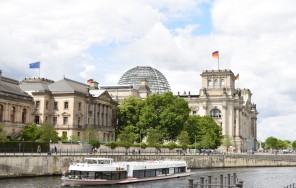
This sightseeing tour is perfect for those who are in Berlin for the first time, and for those who have been here many times and w …

On this tour we will see Berlin in all its diversity, because it is a city with two centers, and its districts are not at all simi …

For the first acquaintance with the capital of Germany, we offer you to take a sightseeing tour, preferably by transport, through …

Underground Berlin-excursion in Berlin During the tour of alternative Berlin you will have a unique opportunity to taste Berlin s …

If you are a fan of unusual excursions or have already been to Berlin and would like to discover it from a new, appetizing side - …

Through the whole of Berlin there is a “wall line” – a double row of paving stones laid out on the asphalt. 45 kilometers in the c …
Berlin is an indisputable storehouse of history. And to get acquainted with this beautiful city, I have prepared interes …

Walking tour of Berlin. The duration of the tour "The Banner of Victory over the Reichstag" is 3 hours or more. The t …
 Guide license
The main tours in demand among tourists: Sightseeing tour of Berlin (incl. bus)Evening Berlin, the lights of the Big Ci …

Individual tours of Berlin and Potsdam with a Russian-speaking guide: “Classical BERLIN”: a sightseeing tour of the Ger …

Dates of arrival: 06.06.13, 07.06.13, 20.06.13, 21.06.13, 04.07.13, 05.07.13, 18.07.13, 19.07.13, 01.08.13, 02.08.13, 15.08.13, 1 …

Dates of arrival: 16.06.13, 14.07.13, 04.08.13, 25.08.13, 06.10.13, 10.11.13, 08.12. 13 The price includes: 1. 17 nights in hot …

Dates of arrival: 25.06.13, 23.07.13, 13.08.13, 03.09.13, 15.10.13, 19.11.13, 17.12. 13 The price includes: 1. 10 nights at hot …
The city of Berlin has a rich history spanning more than eight centuries. Here is a brief description of the key moments of his story:
Middle Ages and Foundation: Berlin was founded in the thirteenth century, probably in 1237. Since then, it has developed as a small town, including the Hanseatic League period.
The Protestant Reformation: In the sixteenth century, Berlin adopted the Protestant Reformation, making it the center of Protestant culture in the region.
Thirty Years' War: In the seventeenth century, Berlin suffered during the Thirty Years’ War, including occupation and destruction.
Prussia and Frederick the Great: In the XVIII century, Berlin became the capital of the Kingdom of Prussia, and then the German Empire. Frederick the Great made a great contribution to the development of the city, the construction of architectural monuments and cultural institutions.
The Nazi era and World War II: In the twentieth century, Berlin became an arena for Nazi-era events, including Hitler’s totalitarian regime. The city suffered greatly during World War II, especially during the Battle of Berlin.
Division and the Cold War: After the war, Berlin was divided between the Allies – East Berlin under Soviet control, and West Berlin under U.S., British and French control. This period represents the Cold War.
Fall of the Berlin Wall: In 1989, there was a historic event – the fall of the Berlin Wall, which led to the unification of Germany and significant changes in the political picture of the city.
Today, Berlin is the cultural capital of Germany, known for its tolerance, art, architecture, and important international events. The city has many historical monuments reminiscent of its rich past.

Berlin, the capital of Germany, is a unique place with a rich history, dynamic culture and impressive architecture. Here are a few things that can attract tourists:
Historical sights: Immersion into the city’s rich past will begin with a visit to historic sites such as the Brandenburg Gate, Berlin Cathedral, the Reichstag and the Berlin Wall.
Cultural events: Berlin is famous for its diversity of cultural events. Tourists can enjoy performances at the famous Berlin Opera House (Deutsche Oper Berlin), attend concerts at the Concert Hall of the Berlin Philharmonic or spend time in one of the many art galleries, including the Art Forum in Berlin.
Contemporary Art: Berlin is a true paradise for contemporary art lovers. Expositions in the Hermitage, the Martin Gropius-Bau galleries and the Hamburg Art Bank will attract those interested in contemporary art movements.
Unique nightlife: Berlin is known for its lively nightlife. Kreuzberg and the clubs in Friedrichschein are places to enjoy music, dance and a unique atmosphere until dawn.
Green areas and parks: The city has an extensive network of parks and green areas, including the famous Tiergarten and Grunewald. These are great places to relax, walk and picnic.
Shopping: Shoppers will find plenty of shopping opportunities in Berlin. From luxury boutiques in the Kurfürstendamm district to unusual shops in the Mitte district, the city will satisfy every taste.
Culinary delights: Berlin is a real gourmet paradise. Here you can taste dishes of various cuisines of the world, as well as enjoy traditional German treats in cozy cafes and restaurants.
The combination of rich cultural heritage, modern energy and a variety of entertainment makes Berlin an attractive destination for tourists, where everyone can find something to their liking.
Berlin has many amazing sights, representing a combination of history, culture and architecture. Here are a few key locations and their approximate distances from the city centre:
Brandenburg Gate (Brandenburger Tor): It is a historical symbol of Berlin and Germany. Located in the heart of the city, about 1 km east of Pariser Platz.
Berlin Cathedral (Berliner Dom): One of the largest Protestant cathedrals in Germany. Located on Museums Island, about 1.5 km east of the Brandenburg Gate.
Reichstag: The building serving as the assembly of the German Parliament. Located north of the Brandenburg Gate, on the Planck site (Platz der Republik), about 1.2 km from the center.
The Berlin Wall (Berlin Wall): Segments of the preserved wall can be seen in various parts of the city. One of the most famous places is the East Side Gallery, which is located about 4 km east of the city center.
Museum Island River (Museumsinsel): An island on the Spree River with several museums, including the Altes Museum and the Pergamon Museum. Located about 1.5 km east of the Brandenburg Gate.
Tiergarten: A large park in central Berlin stretching from the Brandenburg Gate west to the zoo. The distance from the center depends on the specific point, but in general the park begins about 1 km west of the Brandenburg Gate.
The Holocaust Memorial (Holocaust Memorial) Memorial complex in memory of Holocaust victims. Located south of the Brandenburg Gate, on Paris Square, about 1 km from the center.
These distances are approximate and can vary depending on the specific location in the city center and the route chosen. Berlin is designed so that many of its attractions are easily accessible for walks, giving tourists the opportunity to enjoy the beauty of the city on foot.

The climate in Berlin varies throughout the year, providing different travel opportunities at different times. Here is an overview of the climate in different seasons:
Spring (March-May):
Summer (June - August):
Autumn (September to November):
Winter (December to February):
The choice of time to visit Berlin depends on your preferences and interests. Summer provides warm days and lively nightlife, spring and autumn are invited for walks, and the Christmas period creates an amazing atmosphere.

Comfort, prices and level of service in hotels and other accommodation services in Berlin can vary depending on the specific property, area and category of the hotel. Here is an overview of price and service levels:
Budget hotels and hostels:
Average price category (3-4 stars):
Luxury and representative hotels (5 stars):
Apartments:
Alternative options (such as Airbnb):
It is important to note that prices and service levels may vary depending on the season, special offers and events in the city. It is recommended to book accommodation in advance, especially during periods of high demand.

When traveling to Berlin and Germany in general, it is important to observe some traditions, customs and laws to respect the local culture and ensure a safe and enjoyable stay. Here are a few key points:
Politeness and accuracy:
Punctuality:
Garbage separation:
Silence at certain hours:
Compliance with traffic laws and regulations:
Refusal to tip:
Smoking ban in public places:
Features of treatment with national symbols:
Indoor shoes:
Compliance with these traditions, customs and laws will help you enjoy the culture and hospitality of Berlin and Germany in general.

Berlin is a city rich in culture and history that comes to life with a variety of events, festivals and celebrations throughout the year. Here are some of the popular events:
Berlin Festival of Lights (Berlin Festival of Lights)
Berlin Museum Night (Lange Nacht der Museen)
Berlin Marathon (Berlin Marathon):
Spregelzeit Festival:
Christmas Markets (Weihnachtsmärkte):
Love Parade (Love Parade):
Berlin International Film Festival, Berlinale
Carnival Festival of Culture (Karneval der Kulturen)
These are just a few examples of activities that will make your stay in Berlin unforgettable. It is recommended to check the current program and events before your trip, as the city is always alive and dynamic.

When traveling to Berlin, knowing the basic words and phrases in German can make your stay more comfortable. Here are a few keywords and expressions that may come in handy:
Remember that most Berlin citizens speak English, but showing interest in their language is always appreciated and can create a warmer atmosphere during your trip.
Berlin is a city with a rich culture and a variety of goods that can be brought as souvenirs. Here are some unique and interesting things you can buy in Berlin:
Choose souvenirs according to your interests and tastes to preserve the memory of your trip to Berlin.
Berlin, like many other major cities in Germany, is generally considered relatively safe for tourists. However, as in any place, it is important to take some precautions:
Personal items:
Public transport:
Nightlife:
Excessive alcohol use:
Financial security:
Documents for a trip to Berlin
Passport:
Visa:
Insurance:
Accommodation booking:
Return tickets:
Before traveling, it is advisable to contact the German consulate or embassy in your country for up-to-date information on visa requirements and documents.
Create a query and local guides will offer you the best options

