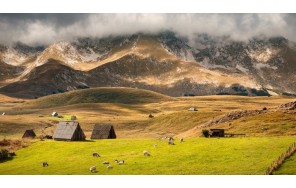
This is the most intense 3-day excursion. During these 72 hours, we will see all the most interesting things in Montenegro without …
580 €
group
Oh. Croatia
Travel and rest in Croatia
Historical background on Croatia
Croatia is a country in southeastern Europe located on the Adriatic coast. Its history spans thousands of years, including periods of influence from different cultures and empires. Here is a detailed overview of Croatian history:
Ancient times: The territory of modern Croatia has been inhabited since ancient times, as evidenced by archaeological finds. Various tribes such as the Illyrians, Celts and Romans influenced the region.
Roman Empire: In the first century BC, the territory of Croatia was included in the Roman Empire. The Romans left a significant mark on the architecture and culture of the region.
Middle Ages: During the Middle Ages, various states and principalities existed on the territory of modern Croatia, such as the Principality of Dalmatia and the Croatian Kingdom. They were often influenced by Byzantium, Venice and other neighboring states.
Venetian influence: In the fifteenth century, most of modern Croatia came under the control of the Republic of Venice, which ruled these lands for several centuries.
The Habsburg Empire: In the sixteenth century, most of Croatia became part of the Habsburg Empire, where it remained until the early twentieth century. This period was marked by integration into the cultural and administrative structures of the empire.
Yugoslavia: In the twentieth century, Croatia became part of the Kingdom of Serbs, Croats and Slovenes, and then the Kingdom of Yugoslavia after the First World War. After World War II, it became one of the republics of the Socialist Federal Republic of Yugoslavia.
Independence: Croatia declared independence from Yugoslavia in the early 1990s, leading to serious armed clashes, including the war in Croatia (1991-1995). After that, Croatia became an independent state and began the process of building its own democratic system.
Modern history: Since the 2000s, Croatia has sought integration into the European Union and NATO, opening up new prospects for economic and political development. However, the country also faces challenges such as corruption and economic problems.
Croatia is a country with a rich history and cultural heritage that continue to shape its modern identity.
Main activities, religion and interests of the local population in Croatia
The main employment of the population of Croatia includes various sectors of the economy, including:
Tourism: Tourism plays a key role in the Croatian economy. The country attracts many tourists due to its beautiful beaches on the Adriatic coast, rich history, cultural heritage and natural attractions.
Agriculture: Agriculture is also a significant industry, especially in rural areas. Grains, grapes, olives, fruits, vegetables and other agricultural crops are produced.
Industry: Croatia has a diverse industry including automobile manufacturing, electronics, metal processing, textile and food processing.
Fishing: Due to its location on the Adriatic Sea, fishing also plays an important role in the Croatian economy.
Regarding the religion and interests of the local population:
Religion: The main religion in Croatia is Catholicism. The Catholic Church has a significant influence on society and culture. However, other religious communities are also present, including Orthodox, Muslims and Protestants.
Cultural interests: Croatia is rich in cultural heritage, which is reflected in the interests of its people. Many Croatians are proud of their traditions, folklore, national holidays and cuisine. There is also an interest in art, music, literature and sports.
Natural interests: Croatia offers many opportunities for outdoor activities. Activities include hiking, cycling, swimming, water sports, mountaineering, etc.
Social interests: As in other countries, the social interests of the Croatian population include family activities, socializing with friends, visiting restaurants and cafes, and participating in various social events and festivals.
Interesting places and attractiveness of Croatia
Croatia is a wonderful country, attractive for travelers and tourists from all over the world. Here are a few reasons why it should be on the list of places to visit:
Beautiful beaches: Croatia is famous for its spectacular beaches, stretching along the picturesque Adriatic coast. White sand, pebbles and clear blue water make them ideal for sunbathing, swimming and water sports.
Historic cities: The country is full of beautiful historic cities such as Dubrovnik, Split, Zagreb and Pula. These cities abound with architectural sights, ancient streets, fortresses and cozy squares that immerse in the atmosphere of ancient Europe.
Cultural heritage: Croatia has a rich cultural heritage reflecting its centuries-old history. Among the attractions are ancient ruins, medieval castles, churches and cathedrals, museums and art galleries.
Natural parks and islands: The country has many exciting natural parks such as Plitvice Lakes and Krka, where you can enjoy the beauty of waterfalls, lakes and forests. In addition, Croatia consists of more than 1,000 islands that offer unique beaches, privacy and yachting opportunities.
Culinary heritage: Croatian cuisine is rich in a variety of tastes and dishes, including fresh seafood, meat and vegetable dishes, cheeses, wines and traditional desserts. Travelers can enjoy authentic Croatian tastes in local restaurants and cafes.
Active recreation: Croatia offers many opportunities for outdoor activities, including water sports (windsurfing, diving, parasailing), hiking and cycling along scenic trails, mountaineering, rafting and much more.
Overall, Croatia is an ideal destination for travelers who want to immerse themselves in the beauty of nature, experience a rich culture and history, and enjoy a holiday on the beautiful beaches of the Adriatic.
Transport accessibility and level of comfort, accommodation and food in Croatia
Croatia offers a variety of levels of transport, restaurants, hotels and other accommodation to cater to the different needs and budgets of travelers. Here's a review:
Transport:
Public transport: Larger cities such as Zagreb, Split and Dubrovnik have a well-developed public transport system, including buses and trams. This is a convenient and relatively inexpensive way to travel around cities.
Car rental: For traveling around the country and exploring remote areas, hiring a car can be a good option. There are many rental companies in Croatia offering a wide range of cars.
Taxis and taxis: Taxis are available in cities and resort areas. You can also use taxi services to travel around the country.
Restaurants:
Premium restaurants: In cities such as Dubrovnik and Zagreb, you can find upscale restaurants offering exquisite Croatian and international cuisine. Examples include restaurants 360 Dubrovnik and Vinodol in Zagreb.
Mid-range restaurants: Many tourist destinations have mid-range restaurants offering delicious food at more affordable prices. An example is the Konoba Pece restaurant in Split.
Budgetary options: There are also many cafes, bistros and local markets where you can taste authentic Croatian dishes at lower prices.
Hotels and accommodation:
Luxury hotels and resorts: Croatia offers luxury hotels and seaside resorts such as the Hotel Dubrovnik Palace in Dubrovnik and the Hotel Excelsior in Opatija.
Mid-range hotels: Most major cities and resorts have a wide range of mid-range hotels, such as Hotel Park in Zagreb and Hotel Neptun in Dubrovnik.
Apartments and guesthouses: This is a good option for a more economical stay. Many apartments and guest houses are available for long-term or short-term rental in different parts of the country.
In general, Croatia offers a variety of transportation, dining and accommodation options to cater to travelers’ different preferences and budgets.
What to see in Croatia
Croatia is replete with many beautiful attractions that attract tourists from all over the world. Here are some of the main attractions of the country and their transport accessibility:
Old Town of Dubrovnik: This historic city on the Croatian coast is known for its beautiful old streets, medieval walls and magnificent architecture. Dubrovnik is easily accessible by bus or train from other major Croatian cities and also has its own airport.
Plitvice Lakes (Plitvice Lakes): This national park offers stunning views of cascades of waterfalls, blue lakes and dense forests. The park is located in central Croatia and is well connected by public transport from various regions of the country.
Old Town Split (Split): The Old Town of Split is an ancient Roman city with architectural monuments such as the Palace of Diocletian, which is listed as a UNESCO World Heritage Site. Split is well accessible by trains, buses and ferry from various parts of the country.
Old Town Zagreb (Zagreb): As the capital of Croatia, Zagreb offers many historical attractions, museums, art galleries and picturesque parks. The city is well connected to other regions of the country by trains, buses and air transport.
Hvar Island: This beautiful island on the Adriatic Sea attracts tourists with its beaches, picturesque towns and historical monuments. Hvar is available by ferries and boats from Split and other coastal towns.
Roman Amphitheatre in Pula (Pula): This ancient amphitheatre is one of the most impressive Roman architectural landmarks in Croatia. The pool is accessible by trains, buses and road transport from various parts of the country.
Transport accessibility to most of Croatia’s attractions is usually good. Public transport (buses, trains) usually connects major cities and tourist destinations. In addition, many tourist attractions are easily accessible by rented cars or tourist excursions.
Holidays, cultural life and activities in Croatia
Croatia offers a variety of events and festivals throughout the year. Here are some of the most popular events at different times of the year:
Summer months (June-August):
Ultra Europe in Split: It is one of the largest annual electronic music festivals in the world, which takes place in July in Split.
Historical festivals: Many cities, including Dubrovnik and Zadar, host historical festivals, including the celebration of the Middle Ages with knightly tournaments and performances.
Festival of Dalmatian Klapa in Omisha This festival on the Adriatic coast celebrates traditional Dalmatian music and songs.
Autumn months (September-November):
Poole Live Film Festival: This festival, held in Pula, features new films from around the world and attracts moviegoers.
Autumn Wine Festivals: Various regions of Croatia host wine festivals where you can taste local wines and enjoy the culture of winemaking.
Winter months (December-February):
Zagreb Advent: Zagreb Advent is a series of Christmas markets, concerts, exhibitions and other events that attract many tourists to the capital.
New Year celebrations: Many cities in Croatia host various New Year events and fireworks, including Zagreb, Split and Dubrovnik.
Spring months (March-May):
Festival of St. Duje in Split: This festival, dedicated to the patron saint of the city of Split, takes place in May and includes many traditional events, including concerts, exhibitions and local gastronomic events.
Dubrovnik Historical Festival: In the spring, various historical festivals and events take place in Dubrovnik, allowing you to immerse yourself in the atmosphere of the Middle Ages and Renaissance.
This is just a small overview of the various events and festivals that take place in Croatia at different times of the year. Regardless of the time of your visit, you will find something interesting and exciting for yourself.
What weather is best for traveling to Croatia
Croatia has a diverse climate that ranges from Mediterranean on the coast to continental in the interior. Here is an overview of the climate at different times of the year:
Summer (June-August):
Air temperature: During the summer months, air temperatures usually range from 25°C to 35°C in various regions of the country.
Water temperature: The waters of the Adriatic Sea reach heats between 22°C and 26°C, making them ideal for swimming and various water sports.
Climate: Summer in Croatia is characterized by sunny weather, minimal rainfall and high humidity.
Autumn (September-November):
Air temperature: In early autumn, the air temperature is usually still warm, about 20-25 ° C, but by the end of November it can drop to 10-15 ° C.
Water temperature: The water temperature is still pleasant for swimming, it is usually around 20-22°C in September and around 15-18°C in November.
Climate: Autumn in Croatia is usually dry but can be unpredictable with frequent rains and changeable weather.
Winter (December-February):
Air temperature: In winter, the air temperature varies from 0°C to 10°C, especially in the interior of the country.
Water temperature: During the winter months, the water temperature in the Adriatic Sea drops to 10-15°C, which is too cold for swimming.
Climate: In winter, Croatia is usually humid and cool, but the coast often has sunny days.
Spring (March-May):
Air temperature: In spring, air temperatures begin to rise, reaching about 15-20°C in March and 20-25°C by the end of May.
Water temperature: The water temperature begins to rise, and by the end of May it can reach 18-20°C.
Climate: Spring in Croatia is usually dry and warm, with beautiful flowering scenery and pleasant weather for relaxation and travel.
The best time to visit Croatia depends on your preferences and interests. Summer is the most popular time to visit the coast due to the warm weather and the possibility of swimming in the sea. However, spring and autumn are also great times of the year to visit when tourist spots are less crowded and the weather is pleasant.
Language of communication, traditions, customs and laws of Croatia
In Croatia, the official language of communication is Croatian. However, many Croatians, especially in tourist areas and big cities, speak English at a good level. You can also find people speaking other European languages such as German and Italian.
When visiting Croatia, local traditions, customs and laws should be respected and respected:
Clothes: In public places it is recommended to wear moderate and decent clothes. In churches and other religious places, indecent clothing may be prohibited.
Respect for local customs and traditions: It is important to respect local customs and traditions. For example, while visiting churches and monasteries, one should show silence and respect for believers.
Safety: Follow safety measures, especially on beaches and in the water. Pay attention to the warnings and instructions of rescuers.
Purchase and trading policies: In shops and markets it is usually customary to bargain. However, in most supermarkets and restaurants, prices are fixed.
Drug and alcohol legislation: Croatia has strict laws on drugs and alcohol. It is forbidden to use drugs, as well as drink alcohol on the street or in public places.
Etiquette in public places: In public places, it is important to show respect for other people and their privacy, not to make any noise, especially at night.
Environmental Consciousness: Croatia takes great care of its nature and ecosystem. Please do not leave garbage on beaches and in nature parks, and comply with environmental regulations.
Compliance with these traditions, customs and laws will help make your trip to Croatia enjoyable and safe.
The main dialogues for travel in Croatia
Here are a few basic words, phrases and dialogues in Croatian that can come in handy when traveling to Croatia:
Greetings and general phrases:
Dobro jutro (good morning).
Dobar dan (Dobar dan) - Good afternoon.
Dobra Večer (Good evening) - Good evening.
Hvala (praise) - Thanks.
Molim - Please / Please.
Yeah, yeah.
Ne (not) No.
Oprostite - Excuse me.
Gdje je ...? (where e...) - Where is...?
Koliko Košta? - How much does it cost?
Imate li...? (Do you have any?)
Order food and drink:
Molim kavu - Coffee, please.
Jednu/two/troje čašu vode, molim (one/two/three cups of water, pray) - One/two/three cups of water, please.
Molim meni - A menu, please.
Račun, molim - The bill, please.
In the store:
Koliko Košta? - How much does it cost?
Imate li...? (Do you have any?)
Molim vrećicu - Package, please.
Useful phrases:
Gdje je WC? (where e VC) - Where's the toilet?
Kako mogu doći do...? (how can I do?) - How can I get to...?
Govorite li engleski? - Do you speak English?
Pomozite mi, molim vas, please help me.
Note that in Croatia most people speak English, especially in tourist areas. However, using the Croatian language can be useful for communicating with locals and creating a friendly atmosphere.
What dishes, medicines and gifts are popular in Croatia
Croatia offers many unique and useful products, souvenirs and medicines that can be brought with you from your trip. Here are a few of them:
Food:
The historic city of Istria in Croatia is known for its truffles. You can buy fresh or canned truffles or foods with the addition of this expensive mushroom.
Olives and olive oil: High quality Croatian olive oil is produced on the coast. This is a great local addition to your kitchen.
Lavender honey: Croatia is also known for its honey farms, which produce lavender honey, which has a special aroma and taste.
Medications:
Sea salt: The sea salt collected in the coastal cities of Croatia is rich in minerals and is used for cosmetic and medical purposes.
Etheric oils: Croatia produces high-quality essential oils such as lavender, rosemary and mint, which are used in aromatherapy and for the treatment of various ailments.
Souvenirs:
Handicrafts: Traditional Croatian crafts such as ceramics, embroidery and lace are featured in various souvenir shops.
Wine and liqueurs: Croatia is known for its winemaking traditions. You can buy a bottle of local wine or liquor as a souvenir or gift.
Other mementos:
Blue pigeon figures: Blue pigeons are a symbol of peace and friendship in Croatian culture. Blue pigeon figures can be a wonderful souvenir.
Tile with a red star: This symbolic souvenir, representing tiles with a red star, symbolizes the rich history of Croatia.
When choosing souvenirs and products to buy, pay attention to their quality and authenticity, especially if you are going to purchase something that represents the local culture and traditions.
What to cook for a safe holiday in Croatia
Safety during holidays in Croatia is usually at a high level, but it is still worth taking basic precautions. Here are some important safety aspects:
Documents and insurance:
Passport: Most foreign tourists require a valid passport to visit Croatia.
Health insurance: It is recommended to have health insurance that covers the costs of medical services if necessary.
Insurance against accidents and theft: Additional accident and theft insurance can be useful to provide additional protection.
Emergency services:
Police: 192
Medical assistance / ambulance: 194
Fire service: 193
Mobile operators:
There are several mobile operators in Croatia, such as T-Mobile, Tele2, A1 (formerly Vipnet). Most tourists can purchase a local SIM card to access cellular communication and the Internet.
Duration of stay:
Most foreign nationals can stay in Croatia without a visa for up to 90 days in a period of 180 days. If you plan to stay in the country longer than this period, you must obtain the appropriate visa or residence permit.
In addition, it is recommended to follow general precautions such as keeping valuables safe, avoiding dangerous areas at night, following traffic rules when renting a car, etc.
Croatia is a relatively safe country for tourists and is mostly well developed in terms of tourism. However, you should still be careful and attentive to avoid trouble and enjoy a pleasant and safe holiday.
Local currency and customs regulations in Croatia
In Croatia, the official currency is the Croatian Kuna (HRK). Here is some information about Croatian currency and customs regulations:
The exchange rate of the Croatian Kuna against the US dollar may vary depending on market conditions. It is recommended to check the current exchange rate before traveling.
Payback methods:
In Croatia, cash is accepted in Kuna. However, credit and debit cards such as Visa and Mastercard can also be used in major tourist areas. There may be fees for using the card.
It is recommended to have a small amount of cash to pay for small purchases and services.
Customs regulations:
Entrance: When entering Croatia, tourists are required to declare cash and valuables in excess of 10,000 euros or the equivalent.
Departure: When leaving Croatia, tourists can take cash and valuables with them within the limits set by the country of departure. For example, for the EU, the limit is 10,000 euros or the equivalent.
When traveling, it is recommended to keep an eye on your valuables and money, avoid carrying large amounts of cash, and be careful when using credit cards to avoid fraud. It is also important to familiarize yourself with the current customs regulations before traveling to avoid hassle when crossing the border.
Country maps Croatia
Country tourist maps Croatia - routes, attractions and unique objects.
The site uses a web analytics service
Yandex Metrics
using cookie technology to make the site more convenient. You can prevent the processing of cookies in the browser settings.
Details in Privacy policy.


 Guide license


 Guide license
 Guide license
 Guide license