The history of Cambodia is a rich and multifaceted saga spanning thousands of years of cultural, political and social development. Here is a more detailed overview of his story:
Ancient Civilizations and the Formation of Cambodia In ancient times, various civilizations flourished on the territory of modern Cambodia, including Chenla and Funan. These civilizations played an important role in the development of the region, including the spread of Buddhism and Hinduism.
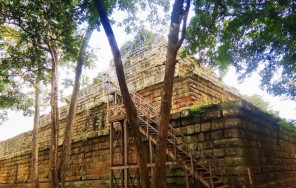
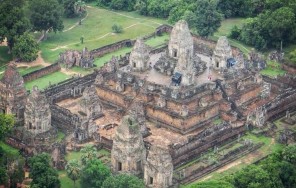
Angkor Empire (IX-XV century): This period is considered golden in the history of Cambodia. The Angkor Empire, centered in the capital Angkor, was one of the most powerful states of its time. Its majestic temples, such as Angkor Wat, testify to the greatness of the art and architecture of that era.
Neighborhood Influence and Colonial Management: For centuries, Cambodia was exposed to neighboring states, including Siam (modern Thailand), Vietnam and Laos. In the XIX century, the country fell under the colonial administration of France.
Independence and the period after colonialism: Cambodia gained independence from France in 1953. The following decades were a period of political upheaval, including a period of Khmer Rouge rule that brought grief and destruction to the country. In the end, Vietnamese forces overthrew the Khmer Rouge in 1979, but this did not stop the unrest and conflicts in the country.
Modern history: Since the early 1990s, Cambodia has focused on rebuilding after decades of conflict and destruction. Peace negotiations were held in 1991 and the interim authority of the United Nations was established. In the following years, the country began to stabilize and develop, although social and political problems still remain.
Economic development: Since the early 2000s, Cambodia's economy has seen remarkable growth, thanks in part to efforts to attract foreign investment and boost tourism. However, the country still faces challenges such as corruption, inequality and inadequate infrastructure.
Current political environment: Recent years have been marked by political tensions, including conflicts between the government and the opposition. President Hun Sen, who has ruled the country since the early 1980s, has become one of the region’s long-serving leaders. However, his regime is often criticized for human rights abuses and authoritarian practices.
The history of Cambodia is complex and multifaceted, reflecting the influence of different cultures and political forces on the formation of the country, as well as its constant desire for stability and development.
Main activities, religion and interests of the local population in Cambodia
The main employment of the Cambodian population includes various activities, mainly concentrated in rural areas. Here are the main aspects:
Agriculture: Agriculture plays a key role in Cambodia’s economy. Most of the inhabitants are engaged in agriculture, growing rice, which is the main crop and the main source of food in the country. In addition to rice, corn, cassava, carved fruits and other crops are also grown.
Fishing: With many rivers and lakes, fishing is an important industry for many locals. Many families depend on fishing for their livelihood.
Tourism: Tourism is a significant source of income for the country. Tourists are attracted to historical monuments such as the temples of Angkor, beaches on the coast and extensive nature reserves.
Industry and crafts: In cities and urban areas, there are a number of small-scale industrial enterprises and craft workshops that produce goods for the local market and for export.
Religion: Buddhism is the dominant religion in Cambodia, and most Cambodians practice Theravada Buddhism. Buddhist temples and monasteries play an important role in public life, and religious festivals and rites are often held with great public participation.
Cultural interests: The local population of Cambodia also has an interest in traditional cultural expressions such as apsara dances, folk music and craft arts such as wood carving and weaving.
Education and development: With the development of the country, more and more people are striving for education and professional development. Education is becoming more accessible, enabling local people to expand their skills and perspectives.
These aspects of activities and interests reflect the diversity of life in Cambodia and its cultural heritage.
Interesting places and attractiveness of Cambodia
Cambodia is an amazing country steeped in rich history, cultural heritage and stunning nature. Here are a few reasons why it can be an attractive destination for travelers and tourists:
Architectural wealth of Angkor: The country is famous for its ancient temples and structures, most notably the famous Angkor Wat. This monumental temple dedicated to the god Vishnu is the largest religious building in the world and the greatest architectural achievement of the Angkor Empire.
Cultural diversity: Cambodia combines the influences of Hinduism and Buddhism, as well as a rich folk culture that manifests itself in dance, music, crafts and cuisine. Tourists can enjoy unique cultural experiences, visit museums and craft workshops to learn more about local tradition and art.
Natural beauties: Cambodia has a variety of nature, including the scenic beaches on the Gulf of Siam coast, the ancient jungles in the Cardamom Range area, and rivers such as Tonle Sap, which is one of the largest freshwater lakes in Southeast Asia.
Gastronomic pleasures: The local cuisine of Cambodia is a real pleasure for gourmets. It combines influences from neighboring countries such as Thailand and Vietnam, but has its own unique dishes, including the national dish amok, savory curry and fresh fruit.
Adventures and active recreation: There are many opportunities for outdoor activities and adventures in Cambodia. Tourists can go cycling through ancient temples, boating through rivers and lakes, hiking through the jungle or even try swimming and diving off the coast.
Friendly and welcoming people: Cambodians are famous for their kindness and hospitality. Meeting tourists with a smile, they are ready to share their traditions and culture, which creates a warm and welcoming atmosphere for travelers.
All these factors make Cambodia a unique and attractive place to travel and relax, providing unforgettable experiences and opportunities for discovery.
In Cambodia, you will be welcomed. private guides And they'll offer you a copy. individual toursTravel agencies of the country of Cambodia, will offer their services and organize tour Interesting excursions for travelers.
Transport accessibility and comfort, accommodation and food in Cambodia
Cambodia offers a variety of services in the field of transport, restaurants, hotels and other accommodation. Here is a general estimate and some examples for different budgets:
Transport:
Public transport: In the cities of Cambodia there are buses, taxis and tuk-tuks. They are usually affordable and quite inexpensive, but the quality of service can vary.
Hire of motorcycles and bicycles: The possibility of renting motorcycles and bicycles is available in many cities and tourist areas.
Restaurants:
Exclusive restaurants: Some restaurants offer upscale cuisine and service at high prices. For example, "Fine Dining Restaurant" in Siem Reap or "The Elephant Terrace" in Phnom Penh.
Local cafes and street food: Along the streets and markets, you can find many inexpensive local cafes and eateries where you can taste authentic Cambodian cuisine at affordable prices.
Hotels and other accommodation:
Five-star hotels and resorts: Cambodia offers luxury hotels and resorts such as the Raffles Grand Hotel d'Angkor in Siem Reap and the Song Saa Private Island Resort on Koh Rong Island.
Guesthouses and hostels: For budget travelers, there are many guesthouses and hostels around the country, such as Mad Monkey Hostel in Siem Reap and The Siem Reap Hostel in Phnom Penh.
Other places of residence:
Guesthouses in villages and cities: In rural areas and small towns you can find simple guesthouses at very low prices.
Tree houses and floating houses: In some areas, such as Kampot Province and the Koh Kong Islands, you can rent a tree house or a houseboat to enjoy a more exotic living experience.
In general, Cambodia offers a variety of options for different budgets and preferences, from luxury resorts to simple guesthouses, making it an attractive destination for a varied holiday experience.
What to see in Cambodia
Cambodia offers many amazing attractions, from ancient temples to natural beauties. Here are some of the main places and their accessibility by transport:
Angkor Wat and Angkor Temple Complex:
Accessibility: The main access to Angkor is via Siem Reap, where the international airport is located. Siem Reap is also connected by bus routes to other cities in Cambodia. Inside the temple complex, tuk-tuks ply between the temples, and there is also the possibility of renting bicycles.
Phnom Pen and the Royal Palace:
Availability: Phnom Penh, the capital of Cambodia, is served by an international airport and bus routes from various cities. The Royal Palace is located in the city centre and is easily accessible by taxi and public transport.
Floating villages on Lake Tonle Sap:
Availability: Tonle Sap Lake is located near Siem Reap and Phnom Penh. Excursions to floating villages are usually organized from these towns by boat or boat.
Natural reserves and national parks (for example, Bokor Park, Kiri National Park, Keo Seva National Park, etc.):
Availability: Some national parks and nature reserves may not be accessible by public transport, so it is best to get to them by rented cars, motorcycles, or tour companies.
Beaches on the coast of Cambodia (Sianoukville, Koh Rong, Koh Ron, Koh Ta Kiev, etc.):
Availability: Major beach resorts such as Sihanoukville and Koh Rong Islands are available by bus from Phnom Penh or Siem Reap. You can also use domestic flights or charter bus routes.
Bantey Chmar and other historical sites:
Availability: These places can be less accessible by public transport, so it is best to visit them with the help of local tour operators or rented vehicles.
In general, most of Cambodia’s major attractions are accessible using public transport, taxis or rented vehicles. However, for some remote locations, it is best to arrange trips with the help of tour companies or local guides.
Holidays, cultural life and activities in Cambodia
Cambodia hosts various events, festivals and celebrations that reflect the country’s cultural diversity and traditions. Here are some of them and the time of their implementation:
Celebration of the New Year (Chol Chunam Tmei):
Date: Early April.
Description: It is the most important holiday in Cambodia when people gather with family and friends to celebrate and conduct religious rites. Traditional ceremonies are held at this time, including washing Buddha statues with water and holding festive processions.
Independence Day (Sacred Name of King Siamon)
Date: November 9.
Description: This holiday marks the day Cambodia gained independence from France in 1953. On this day, parades, flower laying ceremonies at the monuments of heroes and other public events are held.
Water Festival (Pi Mae):
Date: Mid-April.
Description: This festival marks the beginning of the new year on a calendar based on the lunar cycle. It lasts three days and is accompanied by ceremonies, festive processions and traditional games. The main event of the festival is washing each other with water, symbolizing purification and the beginning of the new year.
Festival of Merry Boats (Bon Om Took):
Date: In late October or early November.
Description: This festival celebrates the seasonal change in the direction of the river Tonle Sap. It includes long decorated boat races, festive exhibitions, cultural events and fireworks.
Cambodia International Festival of Angkor Music and Dance
Date: Usually in August.
Description: This festival represents the richness of Cambodian culture through music and dance. It includes performances of artists, master classes, seminars and other cultural events.
These are just a few of the many events that take place in Cambodia. In addition, different provinces and cities may have their own traditional festivals.
Which weather is best for traveling to Cambodia
Cambodia has a tropical monsoon climate with two main seasons: dry and rainy. Here is an overview of the climate at different times of the year:
Dry season (November - April):
Air temperature: During this period, the air temperature usually ranges from 25°C to 35°C, with the air becoming drier and less humid.
The temperature of the sea during this period is quite comfortable for swimming and is usually about 28-30 ° C.
The dry season is the most popular time to visit Cambodia due to the sunny weather and minimal rainfall. It is also a good time to visit attractions such as the Angkor Temple Complex.
The rainy season (May - October):
Air temperature: At this time, the air temperature usually also ranges from 25°C to 35°C, but with high humidity and periodic showers.
Water temperature: The water temperature remains warm at this time, but can sometimes be higher due to the warm rainy season.
Description: The rainy season is characterized by intense rains that can cause flooding and transportation problems. However, it is also a time when nature is becoming greener and more picturesque, as well as fewer tourists, which can mean a more relaxed and authentic journey.
In general, the best time to visit Cambodia depends on your preferences. If you like sunny and dry weather, then the dry season is the best choice. However, if you want to avoid the crowds of tourists and enjoy more green and picturesque nature, then the rainy season can also be an attractive option.
Language of communication, traditions, customs and laws in Cambodia
In Cambodia, the official language is Khmer. However, in tourist areas it is also possible to communicate in English, especially in hotels, restaurants and tourist establishments. Here are some tips for communication and tradition when visiting Cambodia:
Respect local culture and traditions:
When interacting with locals, smile and be friendly.
Respect sacred places such as temples and monasteries. Give locals priority when visiting places of worship.
Dress modestly and respectfully:
Visiting temples and other religious sites requires wearing decent clothing. Shoulders and knees should be covered.
Lighter clothing can be worn in public places and on beaches, but remember to respect the local culture.
Avoid displaying anger or disrespect:
Cambodians are friendly and respectful people. Showing anger or disrespect is unacceptable and can cause negative reactions.
Don't touch people's heads.
The head is considered a sacred part of the body in Cambodian culture. Touching another person’s head is considered disrespectful.
Follow local laws and regulations:
Do not use drugs, do not engage in illegal activities and do not disturb public order.
Respect local traffic rules and be careful when crossing streets.
Observe the rules of public order in temples:
Do not smoke, make noise or behave disrespectfully inside sacred places.
Following these tips will help you enjoy a pleasant and safe trip to Cambodia and leave a good impression of the local culture and people.
The main dialogues for traveling to Cambodia
When you travel to Cambodia, knowing some basic Khmer words and phrases can be helpful in communicating with locals and creating a more friendly atmosphere. Here are a few keywords and phrases:
Greetings and general phrases:
Souasday.
Souasday give. How are you?
"Aung Chrantiy?" [Aung Chrantiy] - What's new?
Own.
"Alay" [alai] No.
Sabai Juice - It's okay.
"Akun" - Thank you.
Purchase and trade:
"Flame" - How much does it cost?
"Bre doi" - Expensive.
Barking. Cheap.
"Akun" - Thank you.
Order food and drink:
Aung Pli - Menu
Muan hare - Drink.
"Sabai Juice" [Sabai Juice] - Delicious.
Tai Niom Chan - Give me that.
"Lai P'in" is a cold drink.
Directions and transport:
"Di Znaas nai?" [di Znaas nai] - Where to go?
"Muan Gib" [Muan Gib] - Bus
"Tuk-tuk" [knock-tuk] - Tuk-tuk (vehicle)
Liu, d'oui.
"Tung wai" [tung wai] - Left
"Tung Saai" [tung Saai] - Right
Urgent phrases:
Help! - Tol niom!
"Police!" "Atney!"
"Fire!" - "Give you!"
Keep in mind that pronunciation in Khmer can be tricky, so feel free to ask locals to repeat or explain the phrase if you don't understand something. Usually, locals appreciate your efforts to learn their language, even if it’s just a few simple words and phrases.
What dishes, medicines and gifts are popular in Cambodia
A trip to Cambodia provides a unique opportunity to experience local traditions, culture and products. Here are some unique and useful items that can be purchased in Cambodia as souvenirs or brought home as gifts:
Khmer cuisine:
Amok: It is a traditional Cambodian dish consisting of fish, seafood or chicken cooked in coconut milk with herbs and spices. It can be purchased in the form of a seasoning or mixture for cooking at home.
Piper Chap: It is a local pepper that can be found in the form of dry fruit or powder. It is used in many traditional dishes and has a sharp, aromatic taste palette.
Medicinal herbs and oils:
Camphor oil: In Cambodia, the use of camphor oil for massage and medicinal purposes is known. This can be a useful remedy for relieving muscle and joint pain.
Herbal teas: Many shops and markets offer a variety of herbal teas that can have medicinal properties for digestion, immunity and overall well-being.
Handmade and artistic products:
Apsara: It is a traditional dance often depicted in paintings, sculptures and textiles. Buying jewelry or a painting with an apsara can be a wonderful souvenir.
Benches and rattan products: Cambodian artisans are adept at creating rattan furniture and decorative items, which can be a great addition to your home.
Fabrics and clothing:
Khmer scarves and scarves: Traditional silk and cotton scarves with patterns or embroidery can be a beautiful and practical souvenir.
Sarongs and robes: This is traditional clothing in Cambodia. They can be bought in shops or local markets and make a great gift.
When you are on a trip to Cambodia, in addition to exploring the amazing sights and culture, do not forget about the opportunity to purchase unique souvenirs and products that will help preserve the memories of your trip.
What to cook for a safe holiday in Cambodia
Holidays in Cambodia, as in any other country, require certain security measures. Here are some tips and recommendations:
Documents and insurance:
When visiting Cambodia, you will need a passport that must be valid for at least 6 months from the date of entry.
Keep a copy of your passport and other documents in a separate location, and upload the scans to cloud storage or email.
It is recommended to purchase health insurance that covers medical expenses, evacuation and return to the country of residence if necessary.
It is recommended to have a mobile phone with a connection to local mobile carriers such as Smart, Cellcard or Metfone in order to have access to emergency services and communication with your country’s consular offices.
Safety in public places:
Avoid walking alone on dark or sparsely populated streets, especially in the evening.
Beware of fraud and pickpocketing in tourist spots and markets.
Accommodation and time of stay:
Tourists can stay in Cambodia without leaving the country for 30 days upon entry on a tourist visa. This period can be extended for another 30 days upon request.
When choosing a place of residence, give preference to licensed hotels and hotels with positive reviews.
Health and safety in nutrition:
Drink only bottled or boiled water.
Pay attention to hygiene when cooking and eating food, avoid eating raw or undercooked food.
Compliance with these simple safety measures will help make your stay in Cambodia enjoyable and safe. Do not forget to be careful and careful to avoid unpleasant situations.
Local currency and customs regulations in Cambodia
In Cambodia, the official currency is the Cambodian Riel (KHR), but the US dollar (USD) is often also accepted. Here is some information about local currency and customs regulations:
Rate to dollar:
Usually, the exchange rate of the Cambodian Riel to the US dollar is quite stable and is about 1 USD = 4000-4100 KHR (at the time of the last update). However, be sure to check the current course at the time of your visit.
Payment in Cambodia:
Most local shops, restaurants and hotels accept both riel and dollars. However, in some places, especially in markets, it is better to use riels.
Fractional dollars are not usually accepted, so carry cash in dollars multiples of 1, 5, 10, 20, 50 and 100.
Customs regulations:
When entering Cambodia, tourists usually do not require a visa to stay for up to 30 days. However, it is necessary to have a passport with a valid validity of at least 6 months from the date of entry and a sufficient number of pages for visas.
When leaving the country, it is also necessary to comply with the rules prescribed by customs laws. In addition, it is not recommended to remove antiques, historical artifacts and other items that are subject to protection from the country.
Overall, Cambodia is a relatively safe place to travel, and most tourists don’t experience major problems. However, it is always helpful to be aware of local rules and norms of behavior to avoid unpleasant situations.
The site uses a web analytics service
Yandex Metrics
using cookie technology to make the site more convenient. You can prevent the processing of cookies in the browser settings.
Details in Privacy policy.