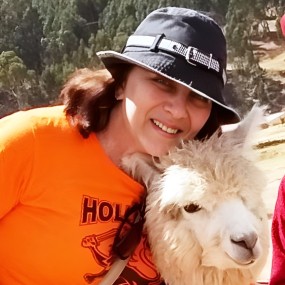
This trip brings together all the main locations for which it is worth going to Peru! We will visit Machu Picchu and the twin city …
4200 $
group
Oh. Peru
Travel and rest in Peru
Historical background on Peru
The history of Peru is saturated with events ranging from pre-Inca civilizations to modern times. Here is a brief overview of this rich history:
Ancient Civilizations: The territory of Peru was home to many ancient civilizations, including the preinca, the most famous and studied. The Doinca civilization flourished from the 13th to the 16th century in the Andes Mountains, including the regions of modern Peru. Their cultural heritage, such as Machu Picchu, remains one of the most famous archaeological sites in the world.
Inca Empire: The Incas were the last and most famous pre-Inca civilization. They built a vast empire that stretched across almost the entire western coast of South America. The Incas built majestic cities and roads, a well-organized system of agriculture and water supply. However, in the 16th century, Spanish conquerors led by Francisco Pizarro conquered the Incas and colonized their lands.
Colonial period: After the conquest of the Incas, Peru became a Spanish colony. The Spanish brought with them their culture, religion and language. During more than three hundred years of Spanish rule, the country experienced significant changes in culture, economy and social structure. However, there was also resistance from the local population, including the Tupac Amaru II uprising in the 18th century.
Independence: In the early 19th century, after a series of uprisings and struggles for independence from Spanish rule, Peru declared independence in 1821 under the leadership of José de San Martin and Simon Bolivar. This was the beginning of a transition period for the country, including a series of wars and internal conflicts.
Peru in the 20th century and modernity: In the 20th century, Peru experienced a series of coups, military dictatorships, and economic crises. In the 1980s and 1990s, the country was swept by a wave of violence by hero groups and Maoist rebels Shingo Lumpen. However, with the beginning of the 21st century, Peru has witnessed economic growth and stabilization. The country's economy thrives on resource extraction, tourism and other industries.
Today, Peru is a multi-ethnic and multicultural country with a rich history and cultural heritage. Its economy and politics continue to evolve despite challenges such as social inequalities and environmental concerns.
Main activities, religion and interests of the local population in Peru
In Peru, the diversity of employment reflects the diversity of geography, climate and resources. Here are some of the main aspects of local employment, activities, religion and interests:
Employment:
Agriculture: Peru has a developed agriculture, the rural population is engaged in the cultivation of various cultivated plants such as potatoes, corn, coffee, tropical fruits and others.
Resource extraction: The extraction and export of natural resources such as oil, gas, metals (including gold, silver, and copper) is an important branch of the Peruvian economy.
Tourism: Tourism is becoming an increasingly important industry for the Peruvian economy due to its rich cultural heritage, natural beauty and archaeological sites such as Machu Picchu.
Industry: Various industries such as textile, food and chemical industries are developed in cities.
Religion:
Catholicism: Catholicism is the dominant religion in Peru introduced by Spanish conquerors during the colonial period. Many aspects of the Catholic faith and holidays are integrated into the daily life of the local population.
Local religious beliefs: Despite the dominance of Catholicism, some local religious practices and beliefs persist in various forms, especially among the rural population.
The interests of the local population:
Cultural heritage: Locals are interested in preserving and studying their cultural heritage, including languages, traditions, music and crafts.
Environmental frugality: Due to the rich natural resources and unique ecosystem, environmental protection and sustainable use of resources are becoming increasingly important for the local population.
Sports and entertainment: Football is a popular sport in Peru, and locals are also interested in other outdoor activities such as mountain walking, mountaineering and river rafting.
This is only a small overview of the main aspects of life and interests of the people of Peru. Each region and community can have its own unique characteristics and traditions.
Interesting places and attractiveness of Peru
Peru is an amazing and attractive country for travel and tourism, offering incredible adventures, rich culture and magnificent scenery. Here are some reasons why Peru is worth visiting:
Machu Picchu: The undeniable pearl of Peru and one of the greatest archaeological wonders of the world. This ancient Inca city is located on top of mountains in the Urubamba Valley and is a symbol of intrigue, mystery and splendor. Travelers can explore this amazing complex, enjoying majestic views and enriching themselves with history and culture.
Kolka Valley: This is one of the most beautiful places in Peru, where the culture of the Incas is combined with amazing scenery. Here you can visit numerous archaeological sites, as well as enjoy the beauty of mountains, valleys and waterfalls.
Lake Titicaca is located at an altitude of more than 3800 meters above sea level and is the highest mountain lake in the world. This place has amazing cultural significance for the local population and offers travelers the opportunity to explore the floating islands of Uros and immerse themselves in the authentic culture.
Colonial cities: Peru has many beautiful colonial cities, including Cusco, Arequipa, Trujillo and Lima. These cities are steeped in history and culture, offering visitors unique architectural monuments, museums, restaurants and streets.
Gastronomy: Peruvian cuisine attracts gourmets from all over the world with its diversity, taste and unique ingredients. Visitors can try dishes like ceviche, lomo soltado, ahi de gallina and more while enjoying the magnificent flavors and aromas.
Natural wonders: From the Andean mountains to the Amazon jungle, Peru has a diverse natural heritage. Travelers can explore the beauty of the mountains, waterfalls, canyons, and ecosystems of the Amazon jungle while immersed in nature adventures.
These are just a few of the reasons why Peru is an attractive travel and tourism destination. The country has a rich cultural heritage, amazing landscapes and many opportunities for unforgettable adventures.
In Peru, you will be welcomed. private guides And they'll offer you a copy. individual toursTravel agencies of the country of Peru, will offer their services and organize tour Interesting excursions for travelers.
Transport accessibility and comfort, accommodation and food in Peru
Evaluation of the level of transportation, restaurants, hotels and other services in Peru varies from region to region, but in general offers a variety of options for travelers with different budgets and preferences. Here are some examples of popular accommodation, restaurants and transportation services in Peru:
Transport:
Buses: Peru has a well-developed network of bus routes, offering both comfortable and economical transportation options between cities and regions.
Trains: Some tourist destinations, such as a trip to Machu Picchu from Cusco, offer rail links. There are different classes of service including Economy, Tourist and First Class.
Taxi and Uber: In the major cities of Peru, taxis and Uber services are available, providing convenient transportation around the city.
Restaurants:
Fine Dining: Lima, Cusco and other major cities have top-class restaurants offering fine dining and service. Some include Central in Lima and Astrid y Gastón.
Local cuisine: Many cities in Peru have cozy and affordable restaurants where you can try traditional dishes such as ceviche, lomo soltado and ahi de gallina.
Street food: Street markets and diners offer budget options for travelers looking for authentic experiences and delicious local cuisine.
Hotels:
Luxury hotels: In the major cities and tourist areas of Peru, you can find world-class luxury hotels such as the Belmond Miraflores Park in Lima and the Belmond Hotel Monasterio in Cusco.
Medium level: Among hotels such as Hilton, Marriott and Sheraton, there are many mid-range options with amenities and good service.
Economical options: For budget travelers, hostels, hotels and guest houses in various cities are available, offering simple and convenient accommodation.
Regardless of budget and preferences, there are plenty of options for a comfortable and satisfying trip to Peru.
What to see in Peru
Peru offers many amazing attractions that attract tourists from different parts of the world. Here are some of the main attractions in the country and information on transport accessibility:
Machu Picchu: It is an ancient Inca city located in the Urubamba Valley. Access to Machu Picchu is possible from the city of Aguas Calientes, which can be reached by train or on foot by the Inca Railway. From Cusco, you can also reach Aguas Calientes by bus or train.
Kolka Valley: It is a beautiful valley in the Andes Mountains, known for its archaeological sites, including the cities of Oyantaytambo and Pisak. The Colca Valley is a few hours drive from Cusco and is easily accessible by bus, rented transport or sightseeing bus.
Lake Titicaca: It is the highest mountain lake in the world and home to various cultural and historical attractions, including the floating Uros Islands. Lake Titicaca is located on the border of Peru and Bolivia. From the town of Puno on the shore of the lake you can reach the floating islands by boats or boats.
Lima: As the capital of Peru, Lima offers many cultural and historical attractions, including the historic center, Plaza de Armas, San Francisco Monastery and museums. Lima is served by Jorge Chavez International Airport, making it accessible to travelers from all over the world.
Arequipa: This beautiful colonial city is located in southern Peru and is famous for its architecture, cuisine and cultural activities. To visit Arequipa, you can take domestic flights from Lima or other major cities, or get there by bus.
Transport accessibility of these places is provided by various modes of transport, including buses, trains, planes and boats. Travelers can choose the most convenient and affordable way to travel depending on the place they want to visit.
Holidays, cultural life and activities in Peru
Peru hosts numerous events, celebrations and festivals throughout the year, reflecting the country’s rich cultural and historical heritage. Here are some of the most popular events, festivals and celebrations in Peru and their time:
Inty Raimi (Inty Raimi): This festival celebrates St. James' Day (St. James' Day), which is a holiday of Cusco and is held in late July. During this event you can see parades, dances, music and traditional Indian rites.
Carnivals in Puno: In late February or early March, when carnival time comes, Puno becomes a place for lively street festivities and festive processions. Locals and tourists participate in dances, songs and other cultural activities.
Peru Independence Day: July 28 is Peru's Independence Day, commemorating the country's independence from Spanish rule. This holiday is held with national parades, fireworks and other festive events.
Fiesta del Señor de Lourdes (Festival Señora de Lourdes): This Catholic festival is held in the city of Ancas in early September in honor of Señor de Lourdes. The event includes religious processions, musical performances and dances.
Pachamama Ray Festival (Pachamama Ray Festival): This festival is celebrated in late April or early May in honor of Pachamama, the mother earth in Inca mythology. During the festival, rituals, prayers and other religious ceremonies are held.
Arequipa International Festival: This festival is held in mid-September in the city of Arequipa and includes concerts, dances, cultural exhibitions and local gastronomic treats.
This is just a brief overview of some of Peru’s popular events and celebrations. At different times of the year, local festivals and events reflecting the diversity of Peruvian culture and traditions are also held in different regions of the country.
What weather is best for traveling to Peru
Peru is located in the tropics, and its climate varies from tropical on the coast to subtropical and cold in the mountains. Here is an overview of the climate at different times of the year in different regions of Peru:
Coast (Lima, Paracas, Ica):
Windy and cool season (May - October): At this time of year on the coast of Peru often blows cold foggy wind known as "Garois". The air temperature is about 15°C to 20°C.
Warm and dry season (November - April): At this time of year, the coast of Peru is dominated by warm and sunny days. The air temperature usually ranges from 20°C to 30°C.
Mountains (Cusco, Arequipa, Puno):
The rainy season (April - October): It often rains in the mountains of Peru at this time of year. Daytime temperatures usually range from 10°C to 20°C, depending on the altitude above sea level.
Dry season (November - March): At this time of year in the mountains of Peru, the days are usually clear and dry. Temperatures can be a little warmer, especially in lowlands.
Jungle (Iquitos, Manu):
Rainy season (December - March): In the jungles of Peru, it often rains heavy at this time of year. The air temperature is usually between 25°C and 30°C, and the humidity is high.
Dry season (April - November): At this time of year, there is usually less rain in the jungles of Peru. The air temperature remains high, but the humidity may be lower.
Best time to travel:
May - September: This is usually considered the best time to travel in Peru, especially to visit the cities and attractions in the mountains and on the coast, where the weather is stable and comfortable.
While each season has its own peculiarities, the best time to travel will depend on your preferences and planned destinations. If you are interested in the jungle, then the rainy season can offer amazing opportunities to observe nature, whereas the coast is best visited during the dry season.
Language of communication, traditions, customs and laws in Peru
In Peru, the official languages are Spanish and Quechua (Inca language), and there are other indigenous languages such as Aymara. Most of the people you meet in tourist destinations and major cities will speak Spanish. However, knowing the basics of Spanish can be helpful, especially when communicating with the local population in rural areas.
It is important to observe traditions, customs and laws when traveling to Peru in order to respect the local culture and ensure safety for yourself and others. Here are a few important things to consider:
Respect for local culture: Peru is a country with a rich and diverse culture. Be polite and respectful of local customs and traditions, such as respecting elders, communicating with a smile, and tolerance for differences.
Clothes: When visiting local churches, monasteries and other religious places, you should wear modest clothes. In other situations, it is customary to wear comfortable and light clothing.
Safety: Be vigilant and take precautions, especially in large cities. Do not carry large amounts of money and valuables, keep close to your body and keep an eye on your personal belongings.
Photography: Before taking photos of locals or their homes, make sure you have their consent. Photography may be prohibited in some places.
Tourist places: When visiting popular tourist destinations, follow the instructions and rules specified on the spot. Do not leave garbage or damage the environment.
Laws and regulations: Follow local laws and regulations. For example, smoking in public places may be prohibited and a fine may be imposed for violating this rule.
Compliance with these guidelines will help you to have a positive travel experience in Peru and make it safe and enjoyable for yourself and the local population.
The main dialogues for traveling in Peru
Here are some basic local words, phrases, and dialogues in Spanish that can be helpful when traveling to Peru:
Greetings and general phrases:
Hola (Ola)
Buenos días (Buenos dias) - Good morning
Buenas tardes - Good afternoon (until evening)
Buenas noches - Good evening/night
¿Cómo estás? - How are you?
¿Qué tal? - How are you? How are you?
Communication:
Por favor (Por favor) - Please
Gracias (Gracias) - Thank you
De nada (De nada) - Please/nothing
¿Dónde está...? (Donde esta) - Where is...?
¿Cuánto cuesta? - How much does that cost?
¿Habla inglés? (Abla Ingles) - Do you speak English?
Food and drink:
Menú del día (Menu del dia) - Lunch menu (usually cheap)
Quiero. - I'd like to...
La cuenta, por favor (La cuenta, por favor)
Shopping:
¿Cuánto es? - How much does it cost?
Me gustaría comprar... - I'd like to buy some...
Tiene cambio? - Do you have change?
Orientation:
¿Cómo llego a...? (Como Llego a) - How can I get to...?
Estoy perdido(a) - I'm lost / lost
¿Puede ayudarme? Can you help me?
This is just a small list of basic Spanish words and phrases that can come in handy when traveling in Peru. Knowing basic Spanish will make it much easier to interact with locals and make your journey more comfortable.
What dishes, medicines and gifts are popular in Peru
In Peru, there are many unique and interesting products, medicines and souvenirs that can become wonderful memorable gifts or popular in the kitchen and in everyday life. Here are some of them:
Food:
Quinoa: Quinoa is a popular grain in Peru rich in protein and nutrients. It can be used in a variety of dishes including salads, cereals, soups and cakes.
Lucuma: Exotic fruit with a delicate orange flavor. Lutsuma is used to make desserts, drinks and ice cream.
Ahi de Galina: A traditional Peruvian dish, which is a chicken in a spicy pepper sauce. It is one of the most popular dishes in Peruvian cuisine.
Medications:
Maca: It is a root that is grown in the high mountains of Peru and is known for its medicinal properties. Maca is considered an adaptogen and is used to improve energy, stimulate the immune system and increase libido.
Coke: Coca leaves have a long history of use in local medicine. Their use can help relieve fatigue, pain and reduce altitude sickness.
Souvenirs:
Alpaca and llama products: Alpaca and llama wool products are popular souvenirs from Peru. It can be scarves, blankets, toys and other items.
Textiles: Peru also produces beautiful textiles, including clothes, bags, carpets and rugs.
Ceramics and dishes: Handmade ceramics are another popular type of souvenirs. These can be plates, bowls, vases, etc.
In addition to the above, you should also pay attention to chocolate, coffee, local spices and herbs, as well as national outfits and jewelry. When choosing souvenirs, you should take into account their quality, originality and significance for the culture of Peru.
What to cook for a safe holiday in Peru
The safety of a holiday in Peru depends largely on reasonable precautions and compliance with certain rules. Here are some important safety aspects to consider when traveling to this country:
Documents:
When visiting Peru, tourists must carry a passport that must be valid for at least another 6 months from the moment of entry into the country.
Tourists are also advised to carry copies of their passports and other important documents, as well as to write down contact numbers in case of loss or theft.
Insurance:
It is recommended to take out health insurance, which covers medical expenses, evacuation and possible failures during the trip.
Emergency numbers:
In Peru, emergency numbers are as follows:
Police: 105
Ambulance: 106
Fire service: 116
Mobile operators:
Peru has several mobile operators such as Claro, Movistar and Entel. It is recommended to purchase a SIM card of one of these operators for access to local communication and the Internet.
Safety outside:
Travelers should be vigilant on the streets of major cities, especially at night, and avoid carrying significant amounts of money and valuables in plain sight.
Solo walks in low-light areas should be avoided and one should not walk away from tourist routes without the help of locals or a guide.
Duration of stay:
Tourists from many countries have the right to stay in Peru without a visa for 90 days in any 180-day period. However, before traveling, it is better to clarify the specific requirements for your country of citizenship.
Compliance with these safety measures will help make your trip to Peru enjoyable and safe. However, as in any country, it is important to be vigilant and watch your own safety.
Local currency and customs regulations in Peru
The local currency in Peru is salt (PEN). U.S. dollars may also be accepted in some places, but in most cases you will be required to pay in salts.
Currency exchange rate: Salt to US dollar may fluctuate slightly depending on the place of exchange and the current market situation. Usually the rate is about 3.5-4 salt for 1 dollar.
To pay: The most common payment method in Peru is the use of cash salts. Major cities and tourist destinations can also accept credit cards. However, in some places the availability of cash may be preferred.
Customs regulations: When entering and leaving Peru, tourists must comply with certain customs regulations:
Tourists are required to declare all valuable items such as jewellery, electronics and other goods they hold when entering the country.
When leaving Peru, tourists must not take out artifacts and cultural heritage without permission.
Tourists are also required to declare an amount of money in excess of $10,000 or the equivalent in another currency.
When importing or exporting food and souvenirs, certain restrictions and prohibitions may also be applied.
In general, customs compliance in Peru implies honesty and compliance with local laws and requirements. If you have questions or need more information, it is recommended to contact official sources or consular services.
The site uses a web analytics service
Yandex Metrics
using cookie technology to make the site more convenient. You can prevent the processing of cookies in the browser settings.
Details in Privacy policy.