Independent tourism and recreation in the city of Gyor Historical information about the city of Gyor 1. Ancien...

Gyor, once the ancient Roman city of Arrabona, a long time rich merchant city on the banks of the Danube and the Raba River, a for …

During this route, I invite you to visit the amazing ancient city of Gyor, considered an example of Austrian Baroque. Its well-pre …
1. Ancient settlements and the Roman period. The territory of modern Gyor was inhabited by the Celts, and in the first century AD it became part of the Roman Empire. The Romans founded the settlement of Arrabona, which became an important military and commercial point due to its location near the Danube River.
2. The emergence of the medieval city. After the departure of the Romans, the region experienced the resettlement of various peoples. In the X century the territory became part of the Hungarian possessions. Under King Istvan I, a church center was formed here, and in 1009 the bishopric of Gyor was founded.
3. Development in the Middle Ages. Due to its favorable location on the trade routes, Gyor gradually turned into a significant craft and commercial city. In the XIII century, it received royal privileges, which contributed to the development of trade and the strengthening of urban self-government.
4. The Ottoman threat and reconstruction. In 1529, during the Ottoman offensive, the city was burned down to prevent the use of its fortifications by opponents of the Habsburgs. In 1594, Ottoman troops captured Gyor, but in 1598 the city was returned to Habsburg control. After that, its fortifications acquired important defensive importance.
5. Blossoming in the XVII-XVIII centuries. Gyor was strengthened as a military center, and later began to actively develop as a commercial and craft city. In the XVIII century, Baroque buildings, churches and city mansions appeared, many of which have survived to the present day.
6. XIX century and industrial development. In the XIX century Gyeur became an important transport and industrial center. The construction of the railway accelerated trade and the development of enterprises. During the Revolution of 1848-1849, the city became involved in the struggle for Hungarian independence.
7. XX century and world wars. After World War I, Gyor remained part of Hungary. During World War II, the city suffered bombing and military destruction. In the post-war decades, restoration began, industrial enterprises, especially machine-building, expanded.
8. Modern Gyeur. After the political and economic transformations of the late XX century, the city attracted foreign investment. An important event was the opening of Audi Hungaria in the 1990s, which strengthened Györ’s position as the center of the automotive industry.
9. Historical significance. Today, Gyeur combines medieval heritage, Baroque architecture and modern industry. Its history reflects the development of Hungary from a Roman province to a major economic and cultural center.
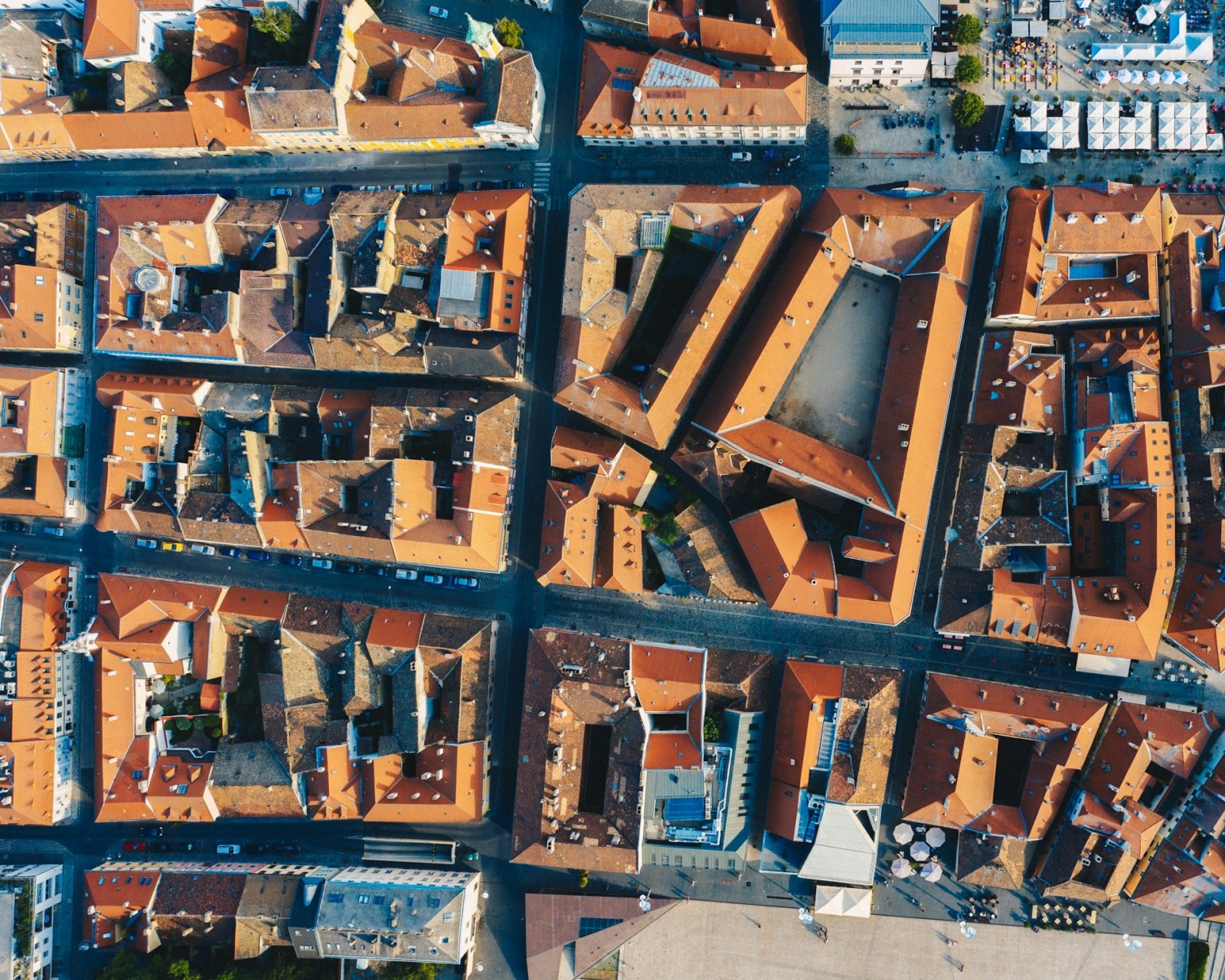
1. The tourist attraction of the city of Gyor. Gyor is one of the most beautiful historical cities in Hungary, located between Budapest, Vienna and Bratislava. It attracts travelers with ancient architecture, cozy pedestrian streets, picturesque embankments and a calm atmosphere. The city is suitable for a short stop during a trip to Europe, and for a good rest for a few days.
2. Historic center and architecture. The main pride of Gyor is the old town with baroque buildings, old squares, churches and narrow streets. It is pleasant to walk, view the historical facades, visit museums and relax in small cafes. Of particular interest are Secheny Square and the cathedral.
3. Rivers and walking areas. Gyor is located at the confluence of several rivers, so the city has many picturesque embankments and bridges. They are suitable for leisurely walks, taking pictures and relaxing away from noisy streets. In the warm season, it is especially pleasant to spend time by the water.
4. Cultural recreation. The city has museums, art galleries, theaters and concert venues. Historical buildings and cultural institutions allow you to get acquainted with Hungarian traditions, art and local history. Festivals, musical performances and city holidays are held throughout the year.
5. Thermal baths and recreation. Gyor is known for thermal waters and modern water complex RQ, which has swimming pools, water slides, saunas and recreation areas. This is a good destination for family holidays and recuperation after excursions.
6. Entertainment for the whole family. Zoo Janos Xantus offers to get acquainted with animals of different species. Children and adults are also interested in the interactive research center Mobilis, where you can participate in experiments and cognitive activities.
7. Gastronomy and local atmosphere. In restaurants and cafes, you can try traditional Hungarian dishes, meat soups, goulash, pastries and local desserts. Cafes in the historic squares are suitable for relaxing after walking and getting acquainted with the daily life of the city.
8. Tours of the neighborhood. Gyor is convenient as a starting point for trips to Pannonhalma Abbey, which is included in the UNESCO World Heritage List, and to the Siegetkoz natural region. Outdoor enthusiasts can go cycling, kayaking or exploring the surrounding water routes.
1. High-level hotels (4-5 stars). In Gyor there are modern hotels with spacious rooms, restaurants, breakfasts, parking and additional services. They are suitable for a comfortable holiday, romantic trip and business tourism. Examples: Hotel Domus Collis - a hotel in the historic center with modern rooms and suites; Barokk Hotel Promenád - a boutique hotel in a historic building in the Baroque part of the city; ETO Park Hotel Business & Stadium - a modern hotel next to the stadium and business complex.
2. Mid-range hotels (3 stars). This is a practical option for tourists who need a comfortable room, private bathroom and convenient location without overpaying for additional services. Popular examples: Danubius Hotel Rába – in the center, next to pedestrian streets and the station; Hotel Klastrom – in the building of the former monastery complex near the sights; ibis Győr – a modern network hotel with basic amenities; Hotel Wesselényi – an option for relaxation with breakfast and parking.
3. Cheap hotels. For a short stop or economical trip, small hotels with simple rooms and necessary amenities are suitable. You can see Alfa Hotel, Corvin Hotel and Arrabona Rooms. The latter is focused on practical accommodation, including with independent settlement. When choosing, you should check whether breakfast is included and whether there is staff at the reception.
4. Guesthouses and boarding houses. Hungarian guesthouses (panzió) are usually small hotels with a homely atmosphere. They are suitable for couples, solo travelers and those who prefer quiet accommodation. Examples include Hunyadi Panzió, Relax Panzió and Duna Panzió. Some options offer breakfast and parking, but the range of services depends on the specific facility.
5. Apartments and apartments. Renting an apartment is convenient for families, companies of friends and travelers who plan to stay for a few days. The presence of a kitchen allows you to independently cook and reduce food costs. R12 Apartments, Domus Peregrini Apartmanok and Főtér Rezidencia can be considered. Before booking, you should check the presence of a kitchen, washing machine, air conditioning and occupancy conditions.
1. Szechenyi Square (Széchenyi tér). The main historical square of Gyor, surrounded by baroque buildings, ancient mansions, churches and cafes. Here you can see the architecture of the XVIII century, visit the pharmacy museum and relax on the outdoor terrace. The square is located in the pedestrian part of the center, so it is most convenient to get to it on foot from other central attractions.
2. The Basilica of the Dormition of the Virgin (Győri Bazilika). One of the most important religious monuments of the city, located on the hill of Kaptalan. Inside are valuable works of church art and reliquaries of St. Laszlo. The basilica is located in the historical center, so from Szecheny Square to it can be reached on foot in a few minutes. During religious services, visits to tourist premises may be limited.
3. Episcopal Castle and Tower (Püspökvár) A historical complex connected with the centuries-old history of the bishopric of Gyor. Of particular interest is the tower, which offers a panoramic view of the city and rivers. The castle is located next to the basilica, so both sights are convenient to see as part of one walk along the hill of Kaptalan.
4. The square of the Vienna Gate (Bécsi kapu tér). A picturesque square with historic buildings, remains of fortifications and a Carmelite church. It is suitable for exploring the architecture of the old town and walking along the Raba River. You can get here on foot from the central part of Gyor; the entrance by car is limited by the features of the historic pedestrian zone.
5. The Danube Gate Square (Dunakapu tér) Spacious city square, where social events, markets and seasonal holidays take place. Nearby are embankments and bridges, from where it is convenient to observe the rivers and urban architecture. The square is in the center, so it is accessible on foot. For motorists, Dunakapu underground parking is provided nearby.
6. Monument to the Ark of the Covenant (Frigyláda-szobor). The famous Baroque sculpture composition of the XVIII century on Gutenberg Street. The monument depicts an ark carried by angels and is considered one of the city’s notable works of religious art. It is located near Szechenyi Square, so a separate trip by transport is not required.
7. Rado Island (Radó-sziget) Green walking area between the arms of the river Raba, where you can relax on benches, walk along the alleys and admire the bridges. The island is especially pleasant in the warm season. From the old town it is easy to get here on foot on the Raba Bridge.
8. Esterházy Palace (Esterházy-palota) A historic Baroque palace that houses art collections and temporary exhibitions. It is interesting for lovers of painting, decorative arts and the history of Hungarian culture. The palace is located on Kirai Street in the central part of the city, so it is convenient to include it in the walking route along the old Gyor.
9. Gyor's synagogue. Historical building of the late XIX century, representing architectural and cultural value. It recalls the city’s multi-ethnic past and the development of the local Jewish community. The synagogue is located near the historic center; the central squares can be reached on foot. The possibility of inspecting the interior depends on the existing exhibitions and visiting mode.
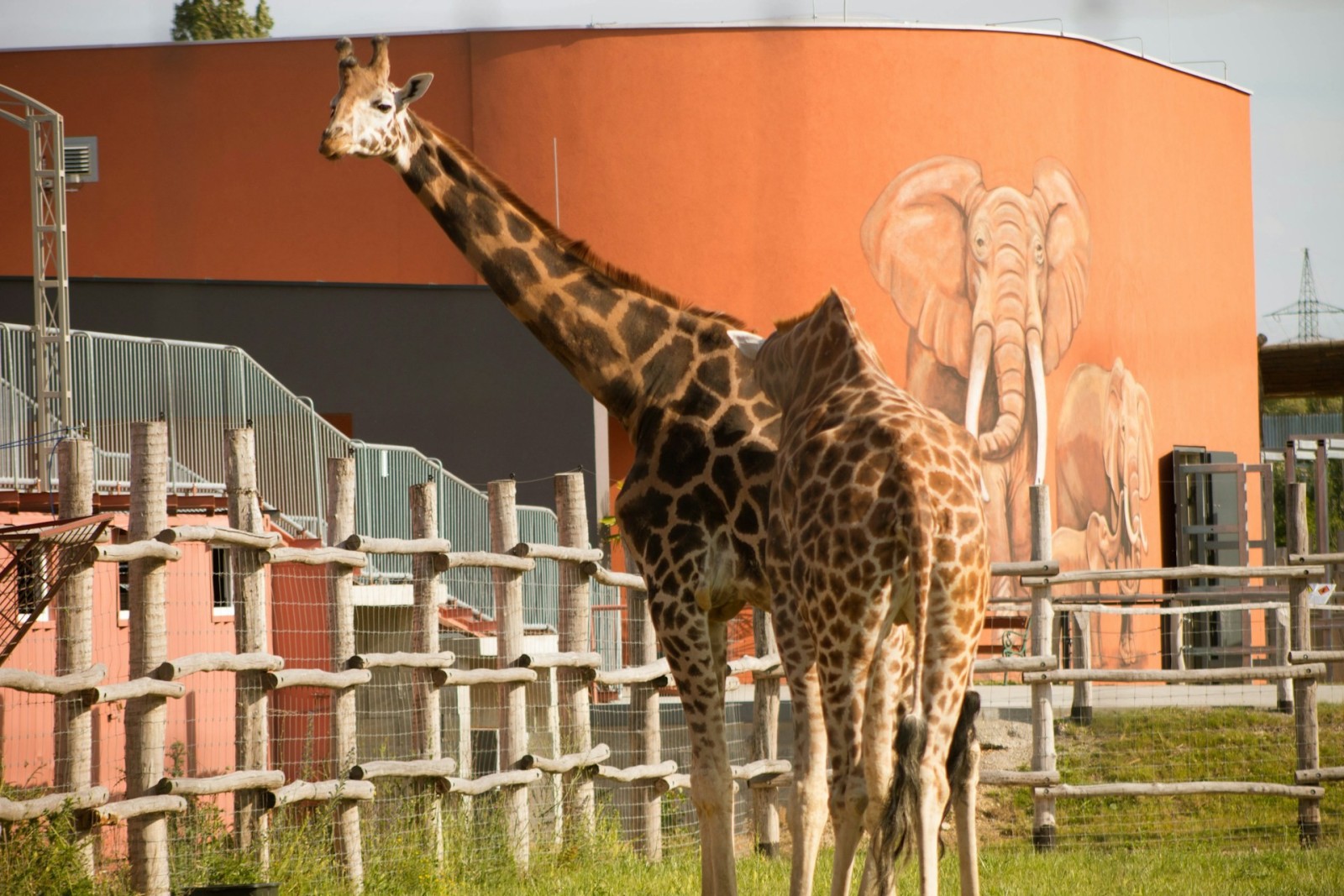
10. Zoo named after Janos Xantus (Xantus János Állatkert). A popular place for family holidays, where animals of different species are presented. It is worth a few hours to visit. The zoo is located in the Kishkut area, outside the old center. It can be reached by city bus or taxi; it is advisable to check the current route and schedule before the trip.
11. Interactive Research Center Mobilis. Cognitive center with experiments and interactive exhibits dedicated to science, technology and modern technologies. It is suitable for visiting with children and teenagers. The center is located in the university area, so it is more convenient to get from the old town by bus, bicycle or taxi.
12. Thermal complex RQ Vízi Élménypark és Gyógyfürdő. Water and health complex with thermal pools, recreation areas and water entertainment. It is suitable for rest after excursions and family leisure. The complex is located in the city, it can be reached by public transport or taxi. Before visiting, it is worth checking which pools and attractions work on the selected day.
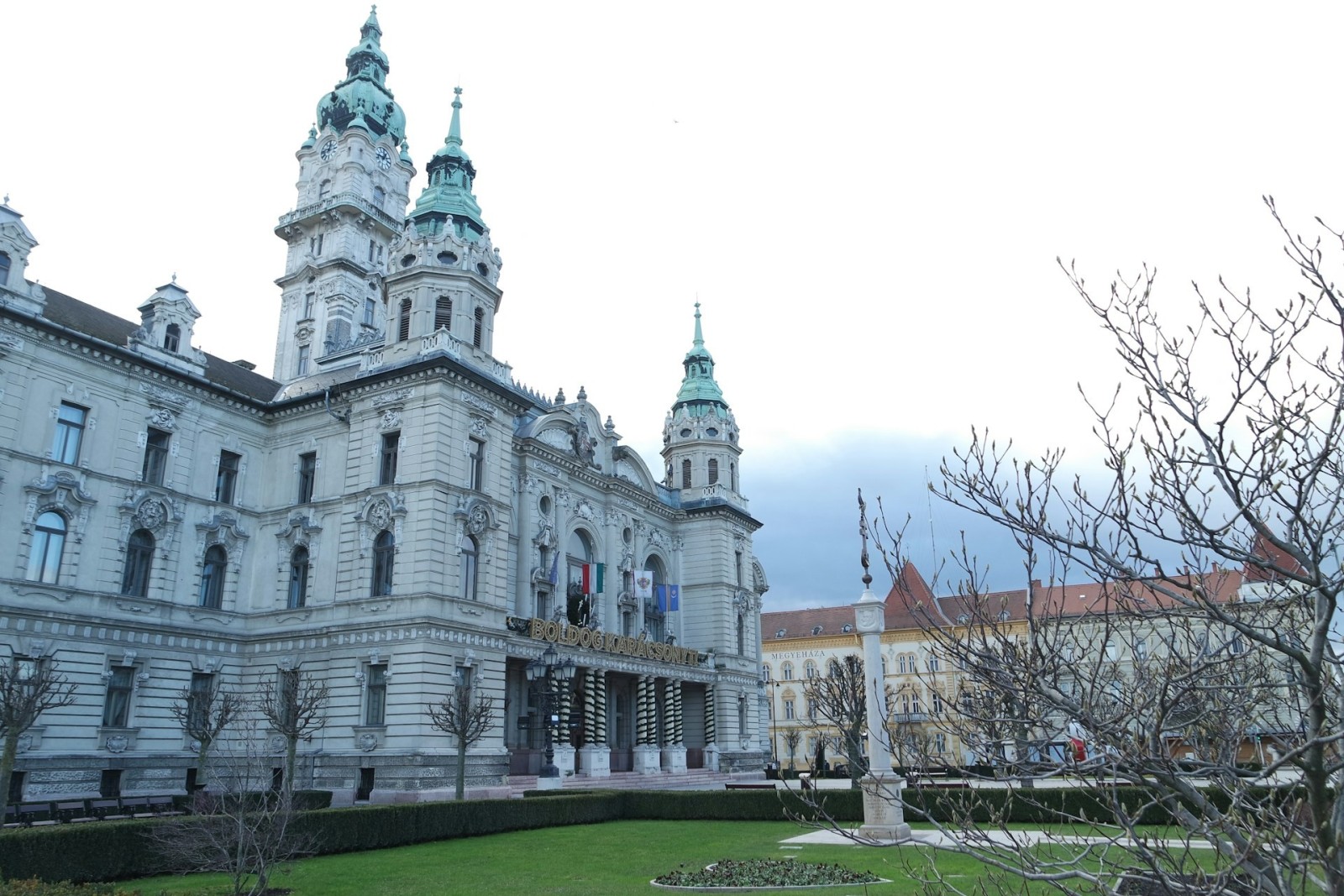
13. Városháza Town Hall. The monumental building of the late XIX century with an expressive facade and tower is one of the recognizable architectural symbols of the city. The town hall is located near the railway station and central streets. It can be reached on foot from the station, and then continue a walk through the historic center.
1. Győri Tavaszi Fesztivál Spring Festival. It is usually held in March and April. The program includes theatrical productions, concerts of classical and modern music, art exhibitions and cultural events. This is a suitable time for tourists who want to get acquainted with the cultural life of the city and explore the historical center without a large summer influx of visitors.
2. Days of St. Laszlo (Szent László Napok) They usually take place in June and are dedicated to King Laszlo I, revered in Hungary as a saint. The program includes historical performances, thematic excursions, performances of artists and events related to the medieval heritage of the city.
3. Hungarian Dance Festival (Magyar Táncfesztivál) It is usually held in June. Spectators can see performances of professional dance groups, modern choreographic productions, folk dances and experimental performances. The festival attracts lovers of stage art and introduces to the dance traditions of Hungary.
4. Children's Festival Győrkőcfesztivál. It usually takes place in early July. The historic center is transformed into a space of family entertainment with games, creative workshops, theater performances, musical performances and interactive programs. The festival is especially interesting for travelers with children.
5. Days of St. Laszlo and summer city holidays. In the summer, open-air concerts, folk festivals, craft fairs and cultural programs are held in Györ. Activities are usually organized in the central squares and in the historic part of the city, allowing you to combine entertainment with sightseeing.
6. Days of Baroque Wedding (Barokk Esküvő) They are usually held in August. This is a theatrical holiday that recreates the wedding traditions of the Baroque era. The program can include historical costumes, solemn procession, ancient dances, music and street performances. The Baroque architecture of Györ creates a suitable atmosphere for such an event.
7. The Days of Győri Bornapok. They usually take place in late August. The event features Hungarian wines, local gastronomic products and traditional dishes. Visitors are waiting for tastings, concerts, performances of musical groups and fairgrounds.
8. Oktoberfest festival in Györ. In autumn, individual bars and restaurants organize themed programs dedicated to the Bavarian beer culture. Depending on the year, musical performances, meetings and gastronomic events are held. It is more a series of establishments and local events than a single traditional city carnival.
9. Festival of Sacred Art (Ars Sacra Fesztivál) It usually takes place in September. In the historical part of the city organized thematic excursions, exhibitions, meetings, concerts and programs dedicated to religious art and cultural heritage. Some activities are free of charge.
10. Advent Győr (Advent Győr) Takes place in late November and December before Christmas. Central squares are decorated with festive illuminations, Christmas shopping houses are installed, concerts, children's performances and seasonal entertainment are held. Visitors can buy souvenirs, try traditional pastries and hot drinks. This is one of the most atmospheric periods for winter travel.
1. Spring (March-May). In March, the day is usually about +10 ... +12 ° C, in April +16 ... +18 ° C, and in May +21 ... +22 ° C. At night in spring, the temperature gradually rises from about 0 ... + 2 ° C in March to + 9 ... + 11 ° C in May. The weather is changeable, rain and wind are possible. The water in the rivers remains cool, so swimming in the open air is usually uncomfortable. Spring is suitable for walking around the historic center, visiting museums and touring the surrounding area.
2. Summer (June-August). The warmest period of the year. During the day, the temperature is usually +25. +28 °C, and during heat waves can exceed +30 °C. At night, most often about +13 ... +18 ° C. In summer, thunderstorms and short-term heavy rains are possible. The rivers warm up, but their temperature varies depending on the weather and does not guarantee a comfortable swim. For swimming and recreation on the water it is more convenient to choose equipped pools and thermal complexes. Summer is suitable for festivals, walks along the embankments and outdoor recreation.
3. Autumn (September-November). In September, the afternoon is usually about +21 ... +23 °C, in October +16 °C, and in November about +9 ... +10 °C. At night, the temperature drops from +10 ... +13 ° C in September to +2 ... +5 ° C in November. In September and early October, you can still walk comfortably around the city, visit architectural monuments and go on excursions. In November, cloudy and cool days are more common. The water in the rivers gradually cools down, so swimming in the open air becomes less attractive.
4. Winter (December-February). In winter daytime, the temperature is usually within +3 ... +7 ° C, and at night it can fall below 0 ° C. Possible frost, fog, rain with snow and ice. Sustainable snow cover does not happen every winter. The water in the rivers is cold, so indoor pools and thermal baths are better suited for water recreation. Winter is interesting with Christmas markets, festive illuminations, museums and concerts.
1. Language of communication. The official language of Hungary is Hungarian. In Györ you can find employees speaking English or German in touristic places, hotels and restaurants. Outside the tourist center, knowledge of foreign languages can be limited, so it is useful to have a translator app. Russian should not be considered a common means of communication.
2. Greetings and courtesy. When dating, it is customary to greet, show goodwill and observe a polite distance. In an official setting, a handshake is appropriate. With strangers, it is better to use a polite form of treatment and not immediately switch to a familiar tone. Punctuality is important when attending excursions, meetings and events.
3. Traditions and national culture. Hungarians appreciate family holidays, national cuisine, folk music and dance. The country celebrates St. Stephen’s Day on August 20, national memorable dates and Christmas holidays. In Gyeur, cultural festivals, concerts and fairs are held, where you can get acquainted with local traditions.
4. Rules for visiting temples. When visiting churches and other religious sites, you should choose modest clothes, do not talk loudly and do not interfere with worship. Before photographing altars, works of art or parishioners, it is advisable to check the shooting rules or ask permission.
5. Behavior in public places. It is necessary to observe cleanliness, do not litter, do not damage historical buildings and monuments, respect the peace of residents. In public transport, it is customary to give way to the elderly, passengers with disabilities and those who find it difficult to stand. Loud talk and music at a later time can cause discontent.
6. Restaurants and tips. Tipping is common in Hungarian restaurants if the service is enjoyed. Before paying, check the bill: the service fee may already be included. If it is not included, you can leave about 10% of the amount. In cafes and fast food establishments, tipping is usually not mandatory.
7. Alcohol and smoking. In Hungary, it is illegal to drive after drinking alcohol. Smoking is restricted in many enclosed public spaces, including public transport and a number of establishments. Follow designated smoking areas and local restrictions.
8. Laws and documents. During the trip, you must comply with the rules of entry and stay established for your citizenship and have a valid identity document with you. The police have the right to demand documents. If you are planning to rent a car, check the local traffic rules and terms of use of toll highways in advance.
9. Public transportation and fines. A ticket for a bus or other city transport must be purchased and properly composted or activated in accordance with the rules of the carrier. Unpaid or improperly booked travel can result in a fine. Check the conditions of the ticket before the trip and save it until the end of the route.

1. Greetings and polite expressions
I'm going to go to Kivanok.
Yo reggelt - Good morning!
Good evening.
Hey, hey! Bye!
Visontlatashra - Goodbye!
- Thank you.
Thank you very much.
- Please! You're welcome!
- Excuse me!
Kerem, please.
- Yes.
Nam-No.
2. Phrases for communication
Nem Beselek Magyarul - I don't speak Hungarian.
Basel angolul? - Do you speak English?
- I don't understand.
Magismetalne, Kerem? - Can you say it again, please?
Other useful expressions:
Tudna segíteni? - Could you help me?
Köszönöm, nem. - Thank you, no.
Nem tudom. - I don't know.
Rendben. - All right.
Egy pillanat, kérem. - One minute, please.
Beszéljen lassabban, kérem. - Speak more slowly, please.
3. At the hotel.
Van szabad szobájuk? - Do you have spare rooms?
Van foglalásom. - I have a reservation.
A nevem... - My name is...
Mikor van a reggeli? - What time is breakfast?
Hol van a szobám? - Where's my number?
Kérem a számlát. - Check, please.
Van Wi-Fi? - Is there Wi-Fi?
Szeretnék kijelentkezni. I would like to leave the hotel.
4. Cafe and restaurant
Egy kávét kérek. - One coffee, please.
Egy vizet kérek. - Water, please.
Az étlapot, kérem. - Menu, please.
Mit ajánl? - What do you recommend?
Mennyibe kerül? - How much does it cost?
Vegetáriánus vagyok. - I'm vegetarian/vegetarian.
Nem eszem sertéshúst. - I don't eat pork.
A számlát kérem. - Check, please.
Kártyával fizethetek? - Can I pay with a card?
Nagyon finom! - Very good!
1. Food and food souvenirs. From Györ it is worth bringing Hungarian goulash, halasle soup, langos, strudel and local Győri Édes cookies.
2. Local produce. Popular honey, homemade jams, cheeses, smoked meats, sausages and pickled vegetables. When transporting products, take into account customs restrictions.
3. Spices and sauces. Hungarian paprika, a mixture of spices and paprika paste are suitable for cooking national dishes at home.
4. Sweets and drinks. You can buy marzipan, chocolate, kurtoscalach, Hungarian wines, palinca and Unicum liqueur. Alcohol is subject to import restrictions.
5. Wellness products. As a gift, salts for baths, cosmetics for skin care, herbal teas and honey are suitable. Such products do not replace medicines.
1. General security. Gyor is considered a common European tourist destination. In the city center, you should observe standard precautions: monitor your bag and phone, do not leave things unattended, use official taxis and check the bill in establishments. Documents and large amounts of money are best kept separate from everyday things.
2. Required documents. To travel to Hungary, you will need a valid foreign passport and, if necessary for the citizenship of the tourist, a Schengen visa or other document authorizing entry. At the border, you may be asked to confirm the purpose of the trip, the availability of housing, funds and a return ticket. Conditions of entry depend on citizenship and residence status.
3. Health insurance. It is recommended to obtain travel insurance covering emergency medical care, hospitalization and medical evacuation. EU citizens should take a European Health Insurance Card (EHIC) if they have one. It does not replace full travel insurance.
4. Emergency phones. The single emergency number in Hungary is 112. You can call the police, ambulance or firefighters.
5. Mobile operators. Hungary has three main mobile operators: Magyar Telekom, Yettel and One Hungary.
Before traveling, it is worth checking the roaming conditions of your operator. For a long stay, you can consider a local SIM card or eSIM.
6. The period of stay without leaving the country. For short-term trips to the Schengen area, the rule is usually no more than 90 days in any 180-day period. It applies to total stay in all Schengen countries, not just Hungary. Visa restrictions apply for some citizens; a national visa or residence permit may be required to stay longer than 90 days.
Create a query and local guides will offer you the best options

Install the app «PersonalGuide»
www.personalguide.ru