Independent tour and travel to Rome in Italy! History of Rome The city of Rome, the capital of Italy, has an a...

Even if you see nothing else in Rome, you can still say that you managed to embrace the immense: the Sistine Chapel is a cosmos, i …

The luxurious collection of works of art collected by the Popes over several centuries has brought the Vatican Museums worldwide f …

None of the Christian virtues—forgiveness, love of humanity—is here unknown, and selfishness takes on legitimate, ugly forms. Rome …

To visit the Vatican Museums in the evening is to touch the magic. With the arrival of dusk, the outlines of objects become softe …

The Vatican Gardens are the oldest in Europe and perhaps one of the most famous in the world. Centuries after centuries of success …

Over the past two thousand years, great saints and great sinners have risen to the throne of St. Peter in the Vatican. Some sought …

Has Christianity changed over the centuries? Councils, schisms, struggle for power, horrors of the Inquisition. Even translations …

The excursion covers the historical part of the city, the main attractions: the Colosseum, forums, squares and fountains …

Welcome. Visit the excursions dedicated to the Vatican! This tiny country attracts millions of visitors every year li …

Individual tours of Rome and the Vatican. Fascinating walks in ancient Rome, the Middle Ages and the Renaissance. You wi …

We offer the following excursion services with the group Vatican Colosseum excursions individually Rome Vatican Colosseu …
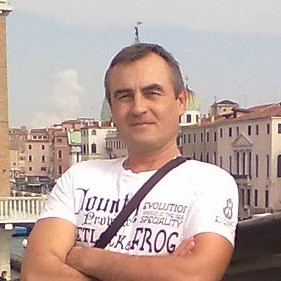
I provide services of interpreter, escort, guide, driver in Rome and the surrounding area. Organizing: Excursions (w …
Italy is a country that has a lot to offer. tourists from other countries: picturesque landscapes, exquisite cuisine, cu …

Transfer from airports, ports, railway stations of Rome, Naples, Civitavecja, etc.Interpreter servicesAccompanymentShopp …

You can wander around Rome indefinitely, because every building here is a legend, every museum is a collection of masterpieces. Sp …

Dates of arrival: weekly to Sunday n Weekly on Sundays a sightseeing tour of Italy from St. Petersburg with a visit to Rome, Flore …

All Rome Duration: 5 nights / 6 days Deep immersion in the rich history, culture and way of life of the Eternal City. Duration: 5 …

Sightseeing tour of Italy from St. Petersburg with a visit to Rome, Florence, Naples (5 excursions) The price includes: Accommod …

Dates of arrival: 16.04 - 23.04 23.04 - 30.04 30.04 - 07.05 07.05 - 14.05 14.05 - 21.05 17.09 - 24.09 24.09 - 01.10 01.10 - 08.10 …

Rimini - San Marino - (Assisi) - Rome - Vatican - (Naples - Pompeii) - Siena - Florence - (Pisa) - Venice - Rimini 8 days, 6 excu …
The city of Rome, the capital of Italy, has an ancient and rich history spanning more than two thousand years. Founded in 753 BC, Rome was originally a small settlement on several hills on the banks of the Tiber River.
Over time, Rome became the center of the mighty Roman Republic and then the empire. During the Roman Republic (509–27 BC) Rome conquered territories, becoming the leading force in the Mediterranean region. At the end of this period came the transition to the Roman Empire (27 BC – 476 AD), which was characterized by authoritarian rule, the construction of monumental structures and the flowering of culture.
In 476, the Roman Empire was conquered by barbarians, symbolizing the end of ancient Rome. However, the city retained its importance, becoming the center of Christianity, and later, in the Middle Ages, the capital of the Papal States. In 1870 Rome became part of the united Italy, becoming its capital.
Today, Rome remains one of the largest and most visited cities in the world, known for its architectural monuments, historical sights, art and culture. Numerous ancient monuments such as the Colosseum, Pantheon and Forum of Rome have been preserved in the city, making it a unique historical center.

The city of Rome in Italy is a magical combination of centuries of history, incredible architecture and unique Italian charm. A trip to Rome promises a unique experience, immersion in the world of majestic monuments and rich cultural heritage.
Ancient Treasures: Rome is an open book of ancient history. Visit the Colosseum, the amphitheatre where gladiatorial fights developed, the Pantheon, with its unique dome, and the Forum of Rome, where each stone tells its own story.
The majestic papal sights: Visit the Vatican, the center of the Catholic Church, and enjoy its treasures, such as the Sistine Chapel with Michelangelo’s masterpieces. Behold the beauty of Santa Maria Maggiore and other majestic Roman basilicas.
Italian cuisine: Rome is a gourmet paradise. Discover authentic Italian dishes in local restaurants and cozy cafes. Try fresh pasta, real Italian ice cream and of course enjoy the fragrant espresso.
Romance of squares and fountains: Take a look at Piazza Navona with its famous fountains, feel the atmosphere of Plaza España and climb the Capitol for a magnificent view of the city.
Rome is a city where every corner is filled with art. Visit the Borghese Gallery, the National Contemporary Art Gallery, or just stroll through the streets after seeing real street art.
Live nightlife: Rome wakes up in the evening with a lively nightlife. Try an aperitif at one of the Trevi bars or immerse yourself in the atmosphere of traditional Roman restaurants.
The city of Rome is not just a destination, it is a journey into history, art and culture that will leave unforgettable memories for every traveler.
Rome, as the capital of Italy and the greatest heir to ancient civilization, has many unique attractions. The main ones include:
Colosseum (Colosseo): Built in 70-80 AD, this amphitheatre is one of the most famous architectural landmarks in the world. The Colosseum served for various public events, including gladiatorial fights.
Forum of Rome (Foro Romano): This ancient Roman market complex is an important archaeological site. Here are the ruins of temples, basilicas, and arches, creating an impressive architectural ensemble.
Pantheon: This temple was built in 126 AD and remains one of the greatest examples of ancient architecture. Its dome with a hole (oculus) at the top creates a stunning lighting effect.
Vatican: This small state town is located inside Rome and serves as the center of the Catholic Church. In the Vatican you will find the Sistine Chapel, St. Peter’s Cathedral and many artistic treasures.
Trevi Fountain (Fontana di Trevi): Built in the Baroque style in the 18th century, this magnificent fountain serves as one of the most beautiful water structures in the world.
Piazza Navona: This square is an architectural wonder with three fountains, including the Fountain of the Four Rivers.
Santa Maria Maggiore: This basilica is one of the four main papal basilicas in Rome and is famous for its majestic interior.
In terms of transport accessibility, Rome has a developed public transport system, including subways, buses and trams. The metro consists of three lines that cover key areas of the city, including central attractions. Taxis are also available in the city. The pedestrian areas in the city centre make it easy to explore and enjoy the beauty of Rome on foot.

Rome has a Mediterranean climate, which means mild winters and hot summers. During the year, there are four main seasons, each of which has its own characteristics:
Spring (March-May):
Summer (June to August):
Autumn (September-November):
Winter (December to February):
The choice of time to visit Rome depends on your preferences: summer is attractive for those who appreciate the sun and warmth, spring and autumn - for those who prefer more moderate temperatures and less tourist flow, and winter - for those who prefer a calmer atmosphere and lower prices.

Rome offers a variety of accommodation options, from luxury top-class hotels to more affordable options. Here is an overview of the different levels of hotels and other accommodation options:
Luxury hotels (5 stars):
Mid-range hotels (3-4 stars):
Budget hotels (1-2 stars):
Apartments and Aparthotels:
Hostels:
Regardless of the level of comfort and budget, Rome offers a variety of accommodation options, allowing each traveler to choose the best option for their needs and preferences.

Language of communication: The official language in Italy is Italian. In tourist destinations and hotels, many people can speak English, but knowing a few phrases in Italian will be helpful. Italians appreciate when foreigners show respect for their culture and try to communicate in their native language.
Traditions and customs:
Greeting: Greeting in Italy usually involves exchanging handshakes or kisses on both cheeks (especially between women or between a woman and a man). It is important to be respectful and friendly when communicating.
Clothes: In churches and other religious places, it is recommended to wear closed clothing. In the city center and in tourist areas it is customary to wear stylish but decent clothes.
Food: Lunch in Italy usually starts after 1 p.m., and dinner - no earlier than 8 p.m. The practice of long lunches and dinners ensures communication and enjoyment of food in a calm environment.
Tip: Usually in Italy, the bill already includes a service fee (coperto), but leaving a small tip (about 5-10%) for good service is also normal.
Laws:
Tobacco and alcohol: Smoking is prohibited in public places, such as restaurants and bars, except in designated areas. The sale and consumption of alcohol is limited by age – the minimum age for drinking alcohol in Italy is 18.
Photos: It is forbidden to photograph military objects and certain art works in museums. In such cases, these rules should be followed.
Public transport: In public transport, it is customary to give way to elderly and pregnant women. Follow the queue rules and remain polite.
Compliance with traditions, customs and laws will help you enjoy your trip to Rome and create a positive impression of this amazing country.

Rome hosts many festivals, festivals and cultural events throughout the year. Some of the most popular include:
Pasqua: Easter in Rome is a particularly festive time. Church services, parades, theatrical performances and festive events blossom throughout the week.
Liberation Day of Rome (25 April): This national holiday marks the liberation of Rome from Nazi occupation in World War II. Parades, ceremonies and events are held on this day.
Museum Night (mid-May): Every year in May, many museums and historical sites open their doors to visitors at night. This is a unique opportunity to see historical treasures in a different light.
Summer Film Festival in Villa Borghese (July-August): The open-air festival features screenings of classic and contemporary films in the beautiful Villa Borghese Park.
Sant'Angelo Festival (August 10): This holiday is associated with the patron saint of Rome, Archangel Michael. The main event is the enchanting salute and illumination of the Castle of St. Angel.
Rome Film Festival (October-November): International Film Festival, where the best films are presented, as well as master classes and awards are held.
Christmas Market (December-January): Rome traditionally hosts a Christmas market with a festive atmosphere, where you can buy gifts, enjoy mulled wine and participate in various events.
This is just a small list of events. There is always something interesting and festive about Rome at any time of the year, making it an attractive place to visit in any season.

Safety: Rome is generally considered relatively safe for tourists, but as in any major city, care should be taken and personal safety taken. It is important to watch your values, avoid remote areas at night, and be vigilant on public transport. Use only official taxis and be careful about your personal belongings.
Documents:
Insurance:
Emergency services:
Mobile communications: Mobile communication in Rome is provided by several operators such as TIM, Vodafone, and Wind. SIM cards can be purchased at the airport, communication stores or mobile salons. Roaming and internet access are usually provided, but check with your operator before traveling.
Duration of stay: The length of stay without leaving Italy depends on your citizenship and type of visa. Non-EU nationals usually have a maximum stay of 90 days in a 180-day period without the need for an additional visa. EU citizens usually move freely within the Schengen area. However, it is important to read the specific rules for your country and check with the Italian embassy or consulate.
Create a query and local guides will offer you the best options

Install the app «PersonalGuide»
www.personalguide.ru


