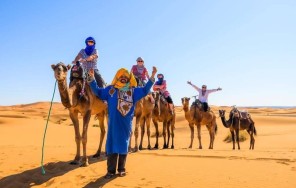
Celebrate the New Year in the Agafai desert to the sounds of Berber drums in luxury tentsLegzira beaches with giant arches of ochr …
2300 $
group
Oh. Morocco
Travel and recreation in Morocco
Historical background on Morocco
Morocco's history is rich and diverse, rich in cultural, political and social aspects. Let's look at it in more detail:
Ancient civilizations:
Ancient inhabitants: The territory of Morocco has been inhabited since ancient times, since the Paleolithic. Archaeological finds suggest that the area was inhabited by Phoenicians, Carthaginians, Romans and other ancient civilizations.
Islamic period: In the 7th century, Islamic Arab tribes invaded what is now Morocco. In 788, the first Islamic state was founded in the country, it became the Idrid dynasty.
Islamic Dynasty and Empire:
Almoravid and Almohad: In the 11th and 12th centuries, the Almoravids and Almohads established powerful Muslim empires that controlled much of northern Africa and Spain.
Merinides and Saadides: In the 13th and 16th centuries, the Merinids and Saadids ruled Morocco, competing with other Muslim and European powers.
Colonial period:
Portuguese and Spanish influences: In the 15th and 17th centuries, Morocco faced the expansion of the Portuguese and Spanish in the north of the country. This period was accompanied by conflicts and wars.
French and Spanish colonization: In the 19th century, Morocco was influenced by France and Spain. France annexed the northern territories, while Spain controlled southern areas such as the Sahara.
Independence and modernity:
Independence: In 1956, Morocco gained independence from France. Since then, the country has faced a number of political and economic challenges, including stabilizing and shaping its national identity.
Contemporary Challenges and Achievements: Modern Morocco is committed to developing its economy, strengthening democracy and preserving its cultural identity. The country is a popular tourist destination due to its historical attractions, cultural traditions and beautiful landscapes.
Modern politics: Since independence, Morocco has undergone several political changes, including reforms aimed at democratization. The monarchy remains an essential element of the political system.
Western Sahara conflict: Morocco continues to fight for control of Western Sahara, which was under Spanish control until 1975. There is a long-running conflict between the Moroccan authorities and certain groups that support the independence of the region.
The history of Morocco is a rich picture of events that influenced the development of not only the country itself, but also the entire African and Mediterranean region.
Main activities, religion and interests of the local population in Morocco
In Morocco, the population is engaged in various activities, religion plays a significant role in people's lives, and the interests of the local population reflect the richness of the country's cultural heritage and natural attractions.
Main activities:
Agriculture: Agriculture plays an important role in Morocco’s economy, especially in agricultural areas where olives, cereals, fruits and vegetables are grown.
Fishing: Due to its coastline on the Atlantic Ocean and the Mediterranean Sea, Morocco has a developed fishing industry.
Tourism: Tourism is an important sector of the Moroccan economy. Tourists are attracted to beautiful beaches, ancient cities (such as Fez, Marrakesh, Rabat), the mountain peaks of the Atlas and the exotic deserts of the Sahara.
Craft manufacturing: Morocco is known for its handicrafts such as carpets, ceramics, leather goods, copper and silverware.
Religion:
Islam: The majority of the population of Morocco professes Islam, mainly Sunni. Religious rites and traditions play an important role in the daily life of the local population.
The interests of the local population:
Cultural traditions: Morocco is rich in cultural traditions, including music, dance, cooking and arts. Residents of the country respect their traditions and actively participate in cultural events and holidays.
Natural attractions: Morocco has unique natural beauties that attract the attention of both locals and tourists. This includes the Atlas Mountains, the Sahara Desert, oases, canyons and coastal areas.
Sport and active lifestyle: In Morocco, various sports are popular, such as football, handball, athletics and climbing. Many people also prefer outdoor activities, including hiking in mountains and deserts.
Social gatherings and tea parties: In Moroccan culture, time spent with family and friends is important. Traditional tea parties and lunches are an integral part of social life, where people discuss the news, share thoughts and enjoy each other’s company.
Interesting places and attractiveness of Morocco
Morocco is an amazing country, shrouded in mysticism and beauty, which attracts travelers with its rich culture, historical heritage, amazing landscapes and hospitality of local residents. Here are some reasons why Morocco is worth visiting:
1. Cultural wealth:
Morocco is famous for its traditions and cultural attractions, which can be seen in ancient cities, medinas and suki (market squares). Visiting cities such as Marrakech, Fez, Meknes and Rabat immerses you in the atmosphere of ancient castles, palaces, mosques and narrow streets full of shops with handicrafts.
2. Mysterious landscapes:
From the snow-capped peaks of the Atlas to the vast deserts of the Sahara, Morocco offers a variety of natural beauty. Travelers can enjoy hiking in the mountains, hiking in the gorges, camel safaris in the desert and relaxing on the beaches of the Atlantic coast.
3. Delicious kitchen:
Moroccan cuisine is known for its fragrant dishes and exotic tastes. Try traditional tazins, couscous, harira (soup), honey pie, olives and more. A visit to local markets will also give you the chance to taste fresh fruits, nuts and spices.
4. Local hospitality:
Moroccans are famous for their hospitality and warm attitude to visitors. Hospitable hosts of hotels and restaurants, locals in the markets and streets are always happy to help and share their traditions.
5. A variety of activities:
Morocco has many opportunities for outdoor activities and adventures: camel or jeep safaris in the desert, hiking in the mountains, surfing the coast, visiting hot springs, horseback riding and much more.
6. Unique architectural heritage:
Morocco is famous for its unique architecture, which combines elements of Arab, Andalusian, Berber and European styles. Visit ancient palaces, mosques, madrassas and fortresses to immerse yourself in the rich history of the country.
A trip to Morocco promises to be unforgettable, full of impressions and discoveries that will leave you vivid memories for a lifetime.
In Morocco, you will be welcomed. private guides And they'll offer you a copy. individual toursand travel agencies of the country of Morocco, will offer their services and organize tour Interesting excursions for travelers.
Transport accessibility and comfort, accommodation and food in Morocco
Morocco offers a variety of service levels in transport, restaurants, hotels and other places of residence. Below are some examples of popular destinations with different price and comfort levels:
Transport:
Taxi: In major cities like Marrakech and Rabat, taxis are available that offer convenient and relatively inexpensive ways to get around the city.
Public transport: Some cities have public transport, such as buses and trams, providing affordable travel options.
Car rental: For a more convenient and independent travel around the country, you can use car rental services. Many international and local rental companies offer car rental services.
Restaurants:
Premium restaurants: Morocco’s major cities, such as Casablanca and Marrakesh, have a variety of premium restaurants offering exquisite Moroccan and international cuisine. Some popular destinations include La Mamounia in Marrakech and Rick's Café in Casablanca.
Local cafes and restaurants: In every city and market you can find many cozy cafes and restaurants where you can taste traditional Moroccan dishes at more affordable prices.
Hotels and accommodation:
Luxury hotels: Morocco has world-class luxury hotels such as the Royal Mansour in Marrakech, La Mamounia also in Marrakech and Four Seasons in Casablanca, offering a high level of service and comfort.
Mid-range hotels: In the cities and resorts of Morocco, you can find many middle-class hotels offering comfortable rooms and a variety of services at affordable prices.
Guesthouses and gifts: In many cities of Morocco, guest houses (riads) and gifts (kazbas) are popular, where you can stay for a cheaper price and experience real Moroccan hospitality.
Other available accommodation options:
Hostels and guesthouses: In major cities and on tourist routes, you can find various hostels and guesthouses offering inexpensive accommodation options for budget travelers.
Rental of apartments and apartments: For those who prefer greater freedom and space, it is possible to rent apartments and apartments through various online platforms or local real estate agencies.
What to see in Morocco
Morocco has many amazing attractions, from historic cities to incredible natural landscapes. Here are some, as well as information about accessibility:
1. Marrakech:
Jemaa el-Fna: This is the main square of Marrakech, famous for its traditional markets, musicians, magicians and street vendors. Access: It is easy to get by taxi or bus from any part of the city.
Medina Marrakech: An ancient city with narrow streets, fragrant bazaars and ancient palaces. Access: Perfect for walking tours. You can also get there by taxi or bus.
2. Fez:
Medina Fez (Fez al-Bali): One of the largest and oldest medins in the world, full of narrow alleys, rich bazaars and ancient mosques. Access: It is best to explore on foot or with the help of a local guide. Taxis are also available.
3. Essaouira:
Medina Essaouira: Beautiful coastal town with snow-white houses, ancient fortresses and picturesque beaches. Access: Buses and minibuses run regularly from Marrakech and other major cities.
4. Chowen (Chefchaouen):
Blue Streets: A city painted in blue, creating incredibly beautiful and picturesque streets. Access: Available by bus or minibus from Marrakech or Fez.
5. Atlas Mountains:
Trekking and hiking: The Atlas Mountains offer great hiking opportunities, including waterfalls, Berber villages and peaks. Access: It is best to get by car or organize tours with local guides.
Transport accessibility:
Taxi: Taxis are a popular and convenient way to get around in cities. They are available almost everywhere and are usually not very expensive.
Buses and shuttles: Within the country, a well-developed network of bus and route connections connecting major cities and tourist places.
Car rental: For greater freedom and flexibility, you can rent a car in any major city.
Guides and excursions: Many local tour operators offer excursions and transport services to visit the main attractions.
Holidays, cultural life and activities in Morocco
Morocco is a country where various festivals, festivals and cultural events take place all year round. Here are some popular events and their times:
1. Rose Festival, El Kelaa Mguna (May):
El Kelaa Mguna hosts an annual Rose Festival to celebrate the rose harvest. Tourists can see beautiful parades, dances and local crafts.
2. Festival of Gnave and Music of the World, Essaouira (June):
This festival is a mixture of traditional Gnava music and world music. Takes place in Essaouira and attracts musicians and spectators from all over the world.
3. Fantasia Festival, Marrakech (July - August):
The Fantasia Festival is a traditional show featuring folk dancing, horseback riding and pyrotechnic performances. Takes place in Marrakech and is popular among tourists.
4. World Music Festival, Essaouira (July - August):
This festival offers a wide range of world music, including jazz, flamenco, African rhythms and others. Takes place in Essaouira and attracts musicians and audiences from different countries.
5. Pink Plum Festival, Selwan (April - May):
This festival marks the beginning of the pink plum harvesting season and includes parades, concerts, exhibitions and other events in the city of Seluan.
6. International Film Festival, Marrakech (December):
The festival presents films from around the world and includes film premieres, master classes, discussions and award ceremonies. Takes place in Marrakech and attracts numerous viewers and filmmakers.
This is just a small overview of the various events and festivals that take place in Morocco throughout the year. Travelers can choose any time of year to visit the country and enjoy its rich culture and traditions.
What weather is best for traveling to Morocco
Morocco has a diverse climate, depending on the topography of the country and its geographical location. Here is a general description of the climate at different times of the year and recommendations for travel:
Spring (March - May):
Air temperature: In spring, the air in Morocco is usually warm and pleasant, with an average daily temperature of around 20-25°C (68-77°F).
Water temperature: The sea temperature on the shores of the Atlantic Ocean and the Mediterranean Sea is usually around 18-20°C (64-68°F).
Climate: In the spring, the weather in Morocco is usually stable, with little rainfall. This period is ideal for visiting cities, excursions to natural attractions and walks through city markets.
Summer (June - August):
Temperatures: In summer, Morocco can get very hot, with average daily temperatures rising to 30-35°C (86-95°F) and higher, especially in desert areas.
Water temperature: The sea temperature increases and can reach 22-25°C (72-77°F).
Climate conditions: Morocco is dry and hot in summer, but the coast brings relief thanks to the fresh breeze. Beach holidays and water sports are especially popular during this period.
Autumn (September - November):
Air temperature: In autumn, the temperature becomes more pleasant and moderate, the average daily temperature is about 20-25 ° C (68-77 ° F).
Water temperature: The sea temperature remains warm, at about the same level as in spring.
Climate conditions: In autumn, sunny and dry weather continues in Morocco, ideal for traveling around the country and enjoying its beauty.
Winter (December - February):
Temperature: In winter, temperatures can fluctuate depending on the region, but they usually range from 10°C to 20°C (50-68°F). In mountainous areas it can be cooler, and in deserts - daytime temperatures can be cool, but nighttime - cold.
Water temperature: The sea temperature is usually lowest during this period, around 15-18°C (59-64°F).
Climatic conditions: In winter, it rains more often in Morocco, especially in the north of the country and in mountainous areas. However, the southern regions remain dry and sunny. This period is suitable for visiting cultural attractions and ski resorts in Atlas.
Recommendation for the best time to travel:
The ideal time to visit Morocco is spring and autumn, when the climate is pleasant and stable, and tourist destinations are not as crowded as in the summer months. Spring is especially good for the flowering and beauty of nature, and autumn is for moderate temperatures and the opportunity to enjoy a trip without heat.
Language of communication, traditions, customs and laws of Morocco
In Morocco, the official languages are Arabic and Amazigh (Berber). French is also widely spoken in cities and tourist areas. Here are some tips on traditions, customs and laws to follow when traveling to Morocco:
1. Clothes:
In public places it is recommended to wear modest clothes, especially for women. This means avoiding shorts, bare shoulders, and clothing that is too open.
In some mosques, visitors may be required to wear long trousers and cover their heads.
2. Communication:
Politeness and respect for local traditions are very important. When communicating should show friendliness and respect.
Try to learn a few phrases in Arabic or French, it will be welcomed by the locals.
3. Shopping:
When shopping in the markets (bitches) you can bargain. It is part of the local culture and is usually met with understanding.
Do not forget to bargain with a smile and respect, do not show aggression or discontent.
4. Photography:
Before you take a photo of the locals, it is better to get their permission.
In some places, such as mosques or certain areas of cities, photography may be prohibited.
5. Drinking water:
To avoid stomach problems, it is better to drink bottled water.
Avoid drinking tap water and buy bottled water from reliable sellers.
6. Respect for religion:
In places sacred to Muslims, special respect should be shown. For example, in mosques, you should take off your shoes and follow the rules of conduct.
Visitors should also respect religious holidays and customs.
7. Laws and regulations:
Morocco has strict laws regarding the use of alcohol and drugs. Make sure you comply with local laws.
Traffic and safety rules should also be respected.
Compliance with these traditions, customs and laws will help you enjoy a pleasant and harmonious trip to Morocco and create a positive impression of your stay in this beautiful country.
The main dialogues for travel to Morocco
When traveling to Morocco, it is helpful to know a few basic words and phrases in Arabic. Here are some of them with Russian translation and transcription:
Welcome:
Hey.
Arabic: السلام عليوم
Transcription: As-salamu alaykum
Russian: Hello/Hello
Hello (response):
Arabic: و السلام
Transcription: Wa alaykum as-salam
Russian: Hello.
General phrases:
Thank you.
Arabic: شرا
Transcription: Shukran
Russian: Thank you.
Please:
Arabic: من ف لك
Transcription: Min fadlak (male), Min fadlik (female)
Russian: Please
Excuse/Sorry:
Arabic: عليه وسلم
Transcription: 'Aathir
Russian: Excuse me
In a restaurant or shop:
Menu:
Arabic: قارمة الحعام
Transcription: Qa'imatu at-ta'am
Russian: Menu
Invoice, please:
Arabic: الحساب من ف لك
Transcription: Al-hisab, min fadlak
Russian: Invoice, please
Orientation in the city:
Where is the...? :
Arabic: ADAين يقع ... rat
Transcription: Ayna yaqau...?
Russian: Where is...?
Pharmacy:
Arabic: ايدلية
Transcription: Saydaliyah
Russian: Pharmacy
In transport:
How much does it cost?
Arabic: ه عليه وسلم
Transcription: Kam hadha yakulaf?
Russian: How much does it cost?
Bus/Taxi:
Arabic: باص/تاكسي
Transcription: Bas/Taksi
Russian: Bus/Taxi
Important phrases:
Please help me.
Arabic: ساعدني من ف لك
Transcription: Sa'duni min fadlik
Russian: Help me, please.
I don't understand:
Arabic: ADAنا لا ADAفهم
Transcription: Ana la afham
Russian: I don't understand.
These phrases will help you communicate and navigate in Morocco and show respect for the local culture and traditions.
What dishes, medicines and gifts are popular in Morocco
Morocco is known for its unique products, medicines and souvenirs that are worth trying and bringing with you from your trip. Here are a few of them:
Food:
Traditional dishes: Try dishes like tazin (meat or vegetable pot), couscous, harira (piquant soup), Moroccan spices and sweets like halva and baklava.
Argan oil: It is an oil made from argan nuts that grows only in Morocco. It is rich in antioxidants, vitamins and fatty acids and is used in cooking and cosmetics.
Honey and Dates: Morocco is famous for its quality honey and sweet dates to buy at local markets.
Medications:
Rose water and rose oil: They are made from roses grown in the Draa Valley. They are used in aromatherapy and for skin care.
Ghassul clay and brine stones: These natural products are widely used for skin and hair care as well as spa treatments.
Souvenirs:
Carpets and Carpets: Moroccan carpets are known for their beautiful design and high-quality handmade.
Ceramics and porcelain: Traditional Moroccan ceramics and porcelain products will decorate your interior and remind you of the trip.
Leather souvenirs: Leather products such as handbags, shoes, purses and belts are made by craftsmen in many cities in Morocco.
Jewelry: Moroccan decorations such as earrings, necklaces, bracelets and rings are often decorated with bright stones and beads.
Other unique products:
Argan soap and cosmetics: They are made from argan oil and other natural ingredients such as olive oil and honey.
Herbs and spices: Moroccan spices such as soluble saffron, cumin, coriander and paprika make great gifts for cooking lovers.
These unique and useful products and souvenirs will help preserve the memories of your trip to Morocco and will be great gifts for friends and family.
What to cook for a safe holiday in Morocco
The safety of holidays in Morocco is an important aspect to consider before traveling. Here are some tips and recommendations on the subject:
Documents:
Passport: Make sure your passport is valid for at least another 6 months from the date of your planned return.
Visa: Check the visa requirements for your country of citizenship. Citizens of many countries can enter Morocco without a visa for up to 90 days.
Copies of documents: Make copies of your passport and other important documents and keep them separate from the originals.
Insurance:
Health insurance: It is recommended to have health insurance that covers the costs of medical care and emergency medical care abroad.
Insurance against accidents and theft: It is also important to protect you and your belongings in case of emergencies.
Emergency services:
Police: 19 or 117 (from mobile phone)
Ambulance: 15 or 141 (mobile phone).
Fire Department: 15 (from mobile phone).
Mobile communications:
Mobile operators: Morocco has several mobile operators such as Maroc Telecom, Orange Morocco and Inwi. It is recommended to purchase a SIM card on the spot for ease of communication.
Duration of stay without departure:
Tourist period of stay: Most citizens can stay in Morocco without leaving the country for up to 90 days if they have a visa or visa-free entry. However, it is advisable to check the specific visa requirements for your country.
It is also important to follow general safety rules, such as keeping a close eye on your belongings, avoiding dangerous areas, especially at night, and following local authorities' instructions in the event of an emergency. Compliance with these guidelines will help you enjoy a safe and enjoyable stay in Morocco.
Local currency and customs regulations in Morocco
The local currency in Morocco is the Moroccan dirham (MAD). Here are some important facts about the Moroccan dirham:
Moroccan dirham (MAD):
Currency code: MAD
Exchange rate: The exchange rate may vary depending on the place of exchange and the current financial situation. Usually the exchange rate to the US dollar is about 1 USD = 9-10 MAD (at the time of writing).
Nominations: Banknotes have nominations of 20, 50, 100 and 200 MAD, and coins - 1, 2, 5 and 10 MAD.
Payback:
Cash: Cash is widely accepted in Morocco. Many places also accept credit and debit cards, but it is better to have cash, especially in smaller stores and markets.
Currency exchange: Currency can be exchanged at banks, exchange offices and some hotels.
Customs regulations:
Import and export of currency: In Morocco, there are no restrictions on the import or export of local and foreign currency, but an amount over 100,000 MAD (or the equivalent in another currency) must be declared.
Personal items: Tourists can import personal effects for personal use duty-free, but the importation of prohibited goods such as drugs and weapons should be avoided.
Advice:
Currency exchange: It is recommended to exchange money at official exchange offices or banks to avoid fraud.
ATMs: In large cities and tourist areas, there are many ATMs where you can withdraw money using international bank cards.
Debit and credit cards: Check with your bank what fees are charged for using the card abroad to avoid unforeseen costs.
Compliance with customs regulations and a reasonable approach to currency exchange will help you avoid problems during your stay in Morocco.
The site uses a web analytics service
Yandex Metrics
using cookie technology to make the site more convenient. You can prevent the processing of cookies in the browser settings.
Details in Privacy policy.



 Shafiq