
The wrestling palace in Moron. Before the city of the steppe, after the city of the steppe... It's a miracle on the main street. T …

The largest lake in Mongolia is located in the Kotlovina of large lakes and is called Uvs. This saltwater body, like many others, …

Baldan Baraeven Monastery is located in a valley surrounded by four mountains. Each of them resembles an animal – a lion in the ea …

The Tovkhon Stone Monastery, located on the top of the Tuvkhun-uul hill, is a sacred place for all Mongolians. This cradle of Budd …

Lake Khubsugul is located on the territory of the national park of the same name and is a sacred place for every Mongolian. Once i …

Between the somons of Numreg and Talmen of the Zavkhan aimak, in the western part of Mongolia there is a weakly salted Talman Lake …

The Amarbayasgalant Buddhist Monastery was built during the Manchurian Qin Dynasty in the early eighteenth century as a tomb for Z …
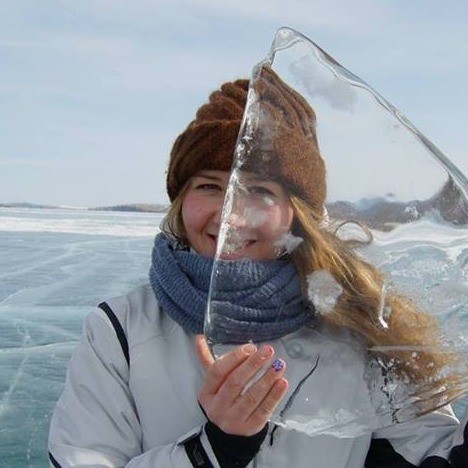
I organize and conduct individual excursions in Irkutsk, Baikal and Mongolia - absolutely different directions, excursio …
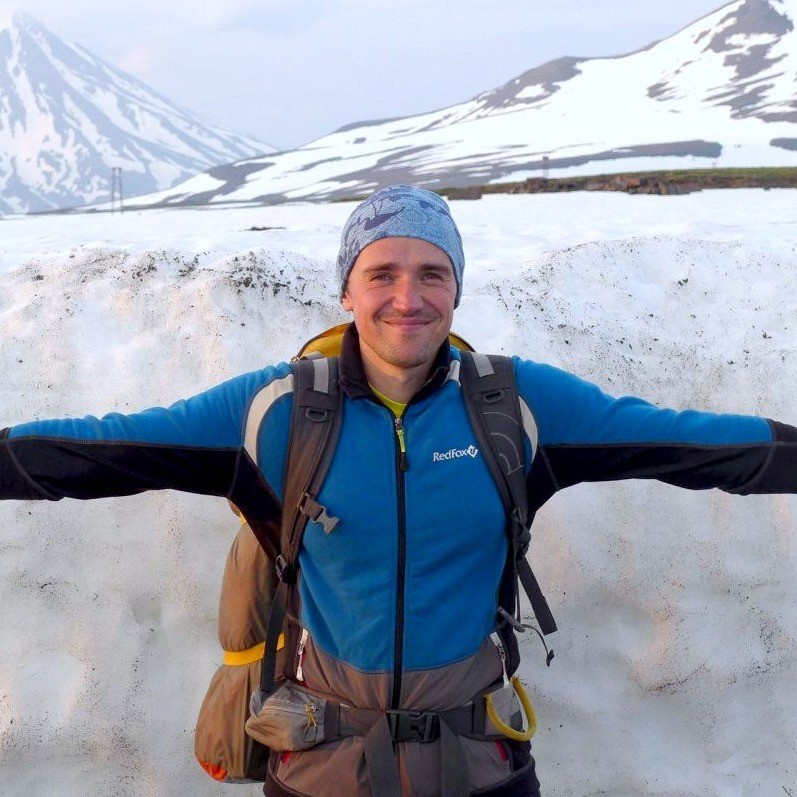
In 2018, a family travel company was opened. We organize trips of any complexity: hiking and mountain hikes, tours wi …

What I suggest is: Author's routes on Baikal and Mongolia.Fascinating excursions, where I will tell not only about natu …
Ulaanbaatar is the dynamic capital of Mongolia, where ancient traditions of the nomadic people and traces of Soviet architecture meet. The city lives between the strict lines of the center and the spacious foothills, and its history is reflected in temples, squares and museums. The atmosphere here combines the spirituality of Buddhism, the energy of the market and a sense of spaciousness that takes the look beyond the city blocks into the steppe and mountains.
The most important man-made sights are concentrated in the city and its environs: the Gandan Monastery and the Choijin Lama Temple, the Bogdo Gegen Winter Palace and the Bogdikhan Palace, monuments on Sukhe Bator Square and a monument to Sukhe Bator. The Naran-tul market introduces everyday life and crafts, while the Mongolian National Library stores rare collections. The monument to Genghis Khan is a symbol of national history, and the ancient Karakorum and Erdene Zuu monastery will tell about the times of the empire.
The natural attractions around Ulaanbaatar are not inferior to the cultural ones: the Gorkhi-Terelj and Hustein-Nuruu national parks offer rocky ridges, conical peaks and a chance to see wild horses, while in the more remote routes lie the Gobi-Gurvan-Sayhan and the Yol valley with eternal ice. Lakes Terhiyin Tsagaan, Ugiy Nuur and Härgas Nuur, the Herlen River and the Ikh-Bogd-Uul Mountains create amazing landscapes for hiking, photographing and observing nature. In the vicinity, extinct volcanoes Horgo and Uran-Togoo are visible, and the basin of large lakes stores unique ecosystems.
On our site you can see all these attractions on an interactive map, read in detail about each object and build a personal route. The map helps to quickly plan the day and mark points of interest, from temples and museums to parks and lakes. Thanks to the user-friendly interface, it is easy to combine cultural and natural points, making optimal routes around the city and its surroundings.
You can explore Ulaanbaatar on your own, following the routes laid out and enjoying the freedom of discovery, or book excursions with local guides who will tell stories, show hidden places and give context. Professional guides will help you immerse yourself in culture and traditions, explain the importance of monasteries and monuments and suggest the best routes for photos and walks.
Come to Ulaanbaatar to see the combination of history, spirituality and nature with your own eyes. Plan a trip, discover new routes and attractions, and let each walk through the capital of Mongolia be a vivid memory and the beginning of the next journey.


