
Gobi-Gurvan-Sayhan National Park is the largest national park in Mongolia, located in the north of the Gobi Desert (south of Mongo …

Gorhi-Terelj National Park about 80 km from Ulaanbaatar is a combination of the Hentai mountain ranges and steppe plains for which …

The largest national park of Mongolia got its name from the mountain range Gurvansaikhan-Uul, which in translation from the ancien …

Khorgo-Terhiin-Tsagaan-Nuur National Park is a unique national park in the heart of Mongolia. The park was founded in 1965 and imm …

Hustein Nuruu National Park was created in the early 90s of the last century in Mongolia. What attracts tourists in this protected …

One hundred kilometers west of Ulaanbaatar is the Hustai National Park, opened in 1860. It was here, in the Mongolian steppes, tha …

Gun-Galuut National Park is a small park in which there are amazing beauty of mountains, rivers, lakes, steppes and swamps in thei …

The Herlen River (Kerulen) flows through the territory of Mongolia and China, being not only a tourist attraction, but also the ma …

One of the most picturesque national parks in Mongolia is called the Kotlovina of Large Lakes. On its territory there are about tw …

Naran Tul Market is located in the Mongolian capital and is the largest market in the country. People come here from all over Mong …

Karakoram was built in 1220 near the Orkhon River by order of Genghis Khan, to soon become the capital of the Mongol Empire. Trans …

Ovgon Monastery was built by Zanabazar in honor of his teacher. This place was one of his favorites. The main temple is located on …

Lake Ugiy Nurr is located at an altitude of 1,331 meters above sea level. Its area is 27 square meters, and its length is 10 kilom …

High-mountain lake Uureg-Nuur is distinguished by the most convenient shores for parking. There are no rocky cliffs, which are fam …

Several thousand years ago, many volcanoes acted on the territory of Mongolia, changing the appearance of mountains by their erupt …

The monument to Stalin appeared in Ulaanbaatar in 1951. The monument began its life path at the Leningrad Foundry, where it was cr …

Monument to Sukhe-Batar to the leader of the people’s revolution in Mongolia in 1921 on the central square of Ulaanbaatar, a monum …

The central square of the capital of Mongolia is named after the leader of the people's revolution Sukhe Bator. In the center of t …

In the south of Mongolia there is a natural reserve Kotlovina of large lakes, formed on the site of old extinct volcanoes. Tectoni …

Gandantegchenlin or, as it is also called - Gandan, the largest Buddhist temple and monastery in Ulaanbaatar. Today it is home to …

In the heart of Ulaanbaatar is the famous Winter Palace of Bogdo-Gegen VIII. This building is in the spirit of Chinese majestic cl …

The largest salt lake in Mongolia is located in the Kotlovina of large lakes. Härgas Nuur is not only full-water, but also surpris …

Yoliin Am Valley is world famous for stunning views of eternal snow and ice and is one of the popular natural attractions of Mongo …

In the mountain-covered part of northern Mongolia are the remains of the once majestic Ongiin Hiid monastery. Danzan Ravjaa, a fam …

Horgo Uul is one of the oldest currently defunct volcanoes in the Arkhangai region, which is now a national nature reserve. Once t …

Ishi-Bogd-Uul is a mountain belonging to the Hentay mountain system with an altitude of 2256.3 meters. In the south, the mountain …

The Buddhist monastery of Erdene Zuu is one of the oldest monuments of Mongolia, located near the city of Harhorin, on the right b …

On the border of Mongolia and Russia there is a unique natural formation - the Kotlovina of large lakes. 5000 years ago it was one …

One of the most unusual sights of Mongolia is located at the foot of the Gurvan Saikhan mountains. At an altitude of 2109 meters t …

The second largest freshwater lake in Mongolia is located on the territory of the Kotlovina reserve of large lakes. Translated fro …

The Mongolian National Library is the largest library not only in the capital, but in the whole country. The library began collect …

The monument to Genghis Khan can be seen from afar. This colossal statue unambiguously reflects the greatness of the national hero …

Western Mongolia is one of the most picturesque areas of the country. Desert landscapes are interspersed here with snow-capped pea …

The Bogdykhan dynasty ruled Mongolia during the last years of Chinese occupation. Later, they became the head of the administratio …

Manshir Monastery was established in 1733 by 300 monks and included 20 temples. It is located in the valley of Bogdo Khan, near th …

The Choijin Lama Temple is the main building of the museum complex. It was built in the period 1904-1908 in honor of the state ora …

Gandantekchinling Monastery is a truly unique spiritual center of Mongolia. It has been known since the beginning of the XIX centu …

Lake Terkhin Tsagaan was formed by the confluence of the rivers of the North and South Terkhin, which the eruption of the volcano …

The Gobi Desert is a desert and a large area covering Mongolia and China. The Gobi area of 1,300,000 square meters stretches from …
 Guide license
I make the coolest and most soulful trips to Baikal, Baikal and Mongolia! The time of great geographical discoveries is …

Travels combining wildlife and comfort: We have thought through every detail: from living to choosing the best places …
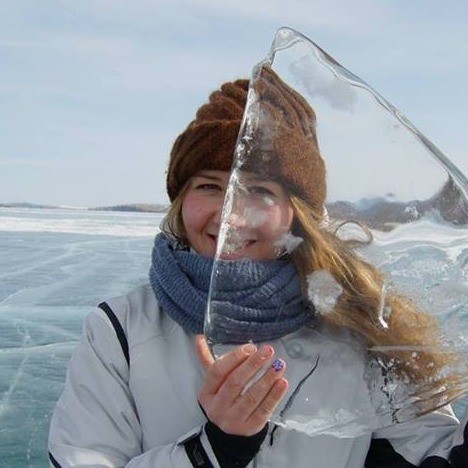
I organize and conduct individual excursions in Irkutsk, Baikal and Mongolia - absolutely different directions, excursio …
Ulaanbaatar is the dynamic capital of Mongolia, where ancient traditions of the nomadic people and traces of Soviet architecture meet. The city lives between the strict lines of the center and the spacious foothills, and its history is reflected in temples, squares and museums. The atmosphere here combines the spirituality of Buddhism, the energy of the market and a sense of spaciousness that takes the look beyond the city blocks into the steppe and mountains.
The most important man-made sights are concentrated in the city and its environs: the Gandan Monastery and the Choijin Lama Temple, the Bogdo Gegen Winter Palace and the Bogdikhan Palace, monuments on Sukhe Bator Square and a monument to Sukhe Bator. The Naran-tul market introduces everyday life and crafts, while the Mongolian National Library stores rare collections. The monument to Genghis Khan is a symbol of national history, and the ancient Karakorum and Erdene Zuu monastery will tell about the times of the empire.
The natural attractions around Ulaanbaatar are not inferior to the cultural ones: the Gorkhi-Terelj and Hustein-Nuruu national parks offer rocky ridges, conical peaks and a chance to see wild horses, while in the more remote routes lie the Gobi-Gurvan-Sayhan and the Yol valley with eternal ice. Lakes Terhiyin Tsagaan, Ugiy Nuur and Härgas Nuur, the Herlen River and the Ikh-Bogd-Uul Mountains create amazing landscapes for hiking, photographing and observing nature. In the vicinity, extinct volcanoes Horgo and Uran-Togoo are visible, and the basin of large lakes stores unique ecosystems.
On our site you can see all these attractions on an interactive map, read in detail about each object and build a personal route. The map helps to quickly plan the day and mark points of interest, from temples and museums to parks and lakes. Thanks to the user-friendly interface, it is easy to combine cultural and natural points, making optimal routes around the city and its surroundings.
You can explore Ulaanbaatar on your own, following the routes laid out and enjoying the freedom of discovery, or book excursions with local guides who will tell stories, show hidden places and give context. Professional guides will help you immerse yourself in culture and traditions, explain the importance of monasteries and monuments and suggest the best routes for photos and walks.
Come to Ulaanbaatar to see the combination of history, spirituality and nature with your own eyes. Plan a trip, discover new routes and attractions, and let each walk through the capital of Mongolia be a vivid memory and the beginning of the next journey.


