8(915)104-63-128(800)100-99-30 ext. 6213
Selling tours around the world. Visa center. Air and Russian Railways.
Oh. Romania
Independent tourism and recreation in Romania
Historical information about Romania
Romania’s history is rich and diverse, reflecting the influence of different cultures and peoples on this land over the centuries. Here is a brief description of the history of this amazing country:
Ancient times and Roman influence: The territory of modern Romania was inhabited in antiquity. Ancient Dacians, Traks and Illyrs inhabited these lands. The Romans conquered this region around 106 BC and turned it into a province of the Roman Empire called Dacia. During this period Roman influence and culture became the basis for the formation of the Romanian nation and language.
Barbarian invasions and the formation of the state: After the collapse of the Roman Empire, the territory of Romania was invaded by various barbarian peoples, such as the Goths, Byzantines and Huns. Eventually, during the Middle Ages, several principalities, such as Wallachia, Moldavia and Transylvania, were formed, each with its own rulers.
Ottoman rule and the struggle for independence: In the 14th and 15th centuries, the Ottoman Turks launched an offensive in the Balkans. During this period, Romania came under Ottoman rule, although some principalities were able to retain some degree of autonomy. However, the Romanian people were actively fighting for independence.
Revival and reunification: In the 19th century, the process of reviving national consciousness began. During this period, the impending wars in Europe contributed to the liberation of Romania from Turkish rule, as well as the unification of the various principalities into a single state. This process ended in 1866 when Carol I became the first king of Romania.
20th Century: Between Wars and Communism Romania entered World War I on the side of the Entente and later became part of the Kingdom of Serbia, which later became the Kingdom of Romania. In the interwar period, the country faced political instability and the rise of the fascist movement. During World War II, Romania was occupied by the Soviet Union and later turned into a socialist state under the leadership of communist leader Nicolae Ceausescu.
The Fall of Communism and Modernity: The Communist regime in Romania ended in 1989 as a result of the revolution that ousted Nicolae Ceausescu. Since then, Romania has embarked on a process of democratization and market reforms. It also joined NATO and the European Union in 2004, leading to deeper integration with Western Europe and modern development.
Romania’s history spans millennia, during which the country has experienced great variables while preserving its unique culture and identity. Today Romania is a modern European state with a developed economy, cultural heritage and a dynamic political scene.
Interesting places and attractiveness of Romania
In Romania, as in many other countries, the main employment of the population is diverse and reflects both traditional and modern sectors of the economy. Here are the main activities, religious landscape and interests of the local population:
Agriculture: Romania has a long agricultural tradition. Grains, vegetables, fruits, grapes are grown here, as well as livestock, including the production of meat, milk and dairy products. Agriculture continues to play an important role in the economy and employment.
Industry: Romania has a developed industry including mechanical engineering, chemical and petrochemical industries, automobile manufacturing, electronics, textiles and footwear. These industries provide a significant number of jobs and contribute to economic growth.
Tourism: Romania is rich in historical and cultural attractions such as medieval castles and churches, natural parks, mountains and Black Sea resorts. Tourism is becoming an increasingly important industry, attracting thousands of tourists from different countries.
Religion: The main religion in Romania is Christianity, predominantly Orthodox. The Orthodox Church plays a significant role in the life of the population and culture of the country. Romania also has Catholics, Protestants, and small communities of Muslims and Jews.
The interests of the local population: Romania offers a variety of opportunities for recreation and entertainment, including visiting historical sites, participating in cultural events and festivals, as well as active recreation in natural parks and resorts. Locals also show interest in sports, culture and education.
Romania is a diverse society with diverse activities, religious beliefs and interests, making this country unique and attractive to live and visit.
In Romania, you will be welcomed. private guides And they'll offer you a copy. individual toursand travel agencies of the country of Romania, will offer their services and organize tour Interesting excursions for travelers.
Romania is an amazing country with a rich cultural heritage, magnificent nature and exciting historical sights. Here are a few reasons why Romania should be on the tourist list:
Historical treasures: Romania impresses with its historical attractions such as medieval castles, fortresses and churches. One of the most famous castles is Bran Castle, which is associated with the legendary Count Dracula. Other significant sites include Peles Castle and Corvin Castle.
Mysterious natural beauty: Romania offers magnificent natural scenery including the Carpathian Mountains, mysterious caves and beautiful Black Sea beaches. The region of Transylvania is famous for its green valleys and picturesque forests, and the Carpathian region delights with the beauty of mountain lakes and waterfalls.
Unique culture and traditions: Tourists can immerse themselves in Romania’s rich cultural heritage by exploring traditional folk songs, dances and crafts. Local markets and festivals offer the opportunity to discover local products and crafts, as well as enjoy the authentic hospitality of the locals.
Delicious local cuisine: Romanian cuisine is a real paradise for gourmets. Tourists can try a variety of dishes, including meat cheesecakes (mamalyga), sarma (grape leaves stuffed with meat and rice), baked lamb, and a wealth of cheeses and wine.
Various activities: Romania offers a variety of outdoor activities, including mountain skiing in the winter season, hiking and cycling on mountain trails in the summer, as well as water sports on the Black Sea coast.
Affordable prices: Travelers can enjoy the beauty and diversity of Romania without ruin. The country offers excellent value for money for accommodation, food and entertainment.
In general, Romania is an amazing place that has something to offer for every tourist, be it historical discoveries, natural beauty, cultural holidays or outdoor activities.
Transport accessibility and level of comfort, accommodation and food in Romania
In Romania, tourists can find a variety of accommodation options, from luxury hotels to budget hotels and hostels. The restaurant and community service also offers a wide range of options including upscale restaurants, cozy cafes and traditional local eateries. Here are the service levels and some examples of popular locations:
Hotels:
Dear hotels: There are several luxury hotels in Romania that offer a high level of service and comfort. Some of these include:
JW Marriott Bucharest Grand Hotel, Bucharest
Athenee Palace Hilton Bucharest (Bucharest)
Grand Hotel Continental (Bucharest)
Average price segment: The mid-range hotel segment in Romania offers comfortable rooms and good service at reasonable prices. Examples include:
Hotel Opera Plaza (Cluj-Napoca)
Hilton Sibiu (Sibiu)
Radisson Blu Hotel (Bucharest)
Economy options: Various options are also available for budget travelers in Romania, including hostels, guesthouses and economical hotels. Examples include:
Podstel Bucharest (Bucharest)
Transylvania Hostel (Brashov)
Hotel Hanul lui Manuc (Bucharest)
Restaurants:
Expensive restaurants: In Romania, you can find many high-end restaurants offering exquisite cuisine and a cozy atmosphere. Some of them:
Caru' cu Bere (Bucharest)
Les Bourgeois (Timisoara)
The Artist (Cluj-Napoca)
Average price segment: The middle segment of restaurants offers delicious dishes at more affordable prices. Examples include:
Casa Doina (Bucharest)
Lacrimi și Sfinţi (Bucharest)
Restaurant Sergiana (Brashov)
Budgetary options: For those looking to save money, Romania has many cozy cafes, diners and street eaters where you can sample local dishes at affordable prices.
The general level of service in transport, restaurants and hotels in Romania is generally acceptable, taking into account different price categories. Tourists can choose options that suit their preferences and budget and enjoy the hospitality of this beautiful country.
What to see in Romania
Romania has many amazing attractions that attract tourists from all over the world. Here are some of the main ones:
Bran Castle: Also known as Dracula's Castle, this castle is located in Transylvania and is associated with the legendary Count Dracula. Bran Castle is one of the most popular places to visit in Romania.
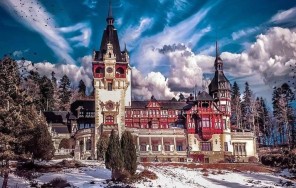
Peles Castle: This magnificent castle, located in the city of Sinai, is considered one of the most beautiful castles in Europe. Built in the German Renaissance style, it served as the summer residence of Romanian kings.
Sibiu: This picturesque city in Transylvania is known for its old urban part, which is a UNESCO World Heritage Site. Among the attractions of Sibiu are the Big and Small Squares, the Church of St. Michael and much more.
Bucharest: Romania’s capital, Bucharest, is rich in cultural and historical attractions. It is worth visiting the Ateneum, the Palace of Parliament, the Old Town and the Museum of the Wooden Monastery.
Brasov and Bran: These two cities in Transylvania are popular tourist destinations. Brasov is famous for its medieval center, and Bran is famous for Bran Castle and the surrounding landscapes of the Carpathians.
In terms of transport accessibility, most of the main attractions in Romania are easily accessible by both public transport and car. Many of them are in close proximity to major cities such as Bucharest, Cluj Napoca and Sibiu, which have well-developed public transport infrastructure and roads. There are also tourist excursions and transportation services that offer trips to attractions throughout the country.
Holidays, cultural life and activities in Romania
Romania hosts numerous events, festivals and celebrations throughout the year, offering a variety of entertainment and opportunities to experience the local culture and traditions. Here are some popular events at different times of the year:
Spring:
March: Maslenitsa (Mărțișor) is a traditional spring holiday celebrated on March 1. On this day, people give each other beautiful bracelets made of red and white thread, symbolizing the arrival of spring.
April: The Transylvanian Hiking Festival is an opportunity to explore the region’s magnificent mountains and natural scenery.
Summer:
June: The Electric Castle Festival is a major music festival that takes place at Banfi Castle in July and offers a wide range of genres, from rock and electronics to hip-hop and pop.
July-August: Rural fairs and festivals in various regions of the country offering local products, crafts, traditional culture and entertainment.
Autumn:
September: The Voices of Dream Festival is an annual music event in Bucharest featuring talented young musicians.
October: Festival "Golden Autumn" (Toamna de Aur) in Bucharest is a holiday dedicated to national culture and traditions, with concerts, exhibitions and master classes.
Winter:
December: Christmas markets and festive fairs in various cities such as Bucharest, Brasov, Sibiu and others, offering Christmas decorations, gifts, local delicacies and an atmosphere of festive fun.
This is just a small overview of the various events and holidays in Romania. Each city and region has its own traditions and activities, so tourists can enjoy the local culture at any time of the year.
Which weather is best for traveling to Romania
Romania has a temperate continental climate with some influences of the maritime climate on the Black Sea coast. Here is a brief overview of the climate at different times of the year:
Spring (March-May):
Air temperature: usually ranges from 10°C to 20°C at the beginning and from 15°C to 25°C at the end of spring.
Water temperature: usually still cool, around 10°C to 15°C in early spring, and rises to acceptable bathing 20°C to 25°C by the end of May.
In spring, nature comes alive, gardens and fields bloom. This is a great time to visit to enjoy the flowering and avoid the crowds of tourists.
Summer (June to August):
Air temperature: on average from 25°C to 35°C, but can be higher on hot days.
Water temperature: in the Black Sea resort towns can reach 25 ° C - 28 ° C, which is ideal for swimming.
Summer is the most popular time for tourism in Romania because of the warm weather and the large number of events and festivals.
Autumn (September-November):
Air temperature: decreases with the approach of autumn, usually from 15°C to 25°C at the beginning and from 5°C to 15°C at the end of autumn.
Water temperature: gradually cools, remaining acceptable for swimming in early autumn, but becomes cool by the end of November.
In autumn, the forests and vineyards will turn beautifully yellow, creating a unique atmosphere for walks and photo shoots.
Winter (December to February):
Air temperature: Average daily temperatures range from 0°C to 5°C, but can fall below freezing, especially in mountainous areas.
In winter, snowfall is possible in some areas, making them attractive for winter sports such as mountain skiing and snowboarding.
The best time to visit depends on your preferences. Summer attracts more tourists because of the warm weather and plenty of activities, while spring and autumn can offer quieter and quieter trips with beautiful natural scenery.
Language of communication, traditions, customs and laws of Romania
In Romania, the official language is Romanian, which is used in communication on the streets, in shops, restaurants and other public places. However, many locals also speak English or other foreign languages, especially in tourist areas and major cities such as Bucharest.
As far as traditions, customs and laws are concerned, it is important to respect the local culture and follow some rules:
Polite communication: Be polite and respectful to the locals. Try to learn a few basic phrases in Romanian, such as "hello" (bună ziua), "thank you" (mulţumesc) and "please" (vă rog).
Respect for culture: Respect local traditions and customs. For example, if you attend a church or monastery, wear modest clothes and behave calmly and respectfully.
Safety: Follow the rules of safety and follow the laws of the country. This includes complying with traffic rules, avoiding illegal activities and respecting someone else’s property.
Sobriety and moderation: Drinking alcohol in public is restricted by law, so make sure you follow local rules and don’t disrupt public order.
Photographs and shooting: When visiting museums, monuments and other cultural sites, check whether you are allowed to take photos or shoot videos. Some places may have limitations.
Tip: Restaurants and cafes usually leave a tip of 5-10% of the bill if the service was good.
Overall, respect for the local culture, traditions and laws will help you create a pleasant and safe travel experience.
The main dialogues for travel in Romania
When traveling to Romania, it is helpful to know a few basic words and phrases in Romanian to better communicate with the locals. Here are some of them:
Greeting:
Romanian: Bună ziua.
Transcription: Buna ziua.
Translation: Good afternoon.
Farewell:
Romanian: La revedere.
Transcription: la rewedere.
Translation: Goodbye.
Please:
Romanian: Vă rog.
Transcription: We horn.
Translation: Please (for request or thanks)
Thank you.
Romanian: Mulţumesc.
Transcription: Mulzumsk.
Translation: Thank you.
Yes:
Romanian: Da.
Transcription: Yes.
Translation: Yeah.
No:
Romanian: Nu.
Transcription: Well.
Translation: Nope.
Excuse me:
Romanian: Scuzaţi-mă.
Transcription: Skuzats-me.
Translation: Excuse me.
You know?
Romanian: Înțelegeţi?
Transcription: Inzeljetz?
Translation: You know?
My name is...
Romanian: Mă numesc ...
Transcription: Me numesque...
Translation: My name is...
Where is the...? :
Romanian: Unde este...?
Transcription: unde eat...?
Translation: Where is...?
How much is...? :?
Romanian: Cât costă...?
Transcription: cat kote...?
Translation: How much is...?
Thank you very much.
Romanian: Mulţumesc frumos.
Transcription: Multsumesque frumos.
Translation: Thank you very much.
These are just a few basic phrases that may come in handy during your trip to Romania. With their help, you can more easily communicate with locals and get a more enjoyable travel experience.
What dishes, medicines and gifts are popular in Romania
In Romania you can find many unique and interesting products, medicines, souvenirs and other items that can become great gifts or souvenirs from your trip. Here are a few of them:
Food:
Meat delicacies: Romanian cuisine is famous for a variety of meat dishes, such as sarma (grape leaves stuffed with meat and rice), mamalyga (milk and corn cheesecake) and mithei (grilled with finely sliced meat). Meat delicacies can be a great gift or souvenir for gourmets.
Cheese and wine: Romania is known for its delicious cheeses and high quality wines. You can buy a variety of local cheeses and bottles of wine for yourself, friends and family.
Medications:
Honey and Herbs: Romanian nature is rich in various herbs and plants that have medicinal properties. You can buy local natural honey or dried herbs such as mint, sage, lavender, etc., which are used in traditional medicine.
Souvenirs:
Embroidery and textiles: Romanian embroidery and textiles are known for their beautiful patterns and traditional patterns. You can purchase embroidered tablecloths, napkins, pillows or other items of clothing and interior as a souvenir.
Ceramics and pottery: Romanian pottery has a long history and tradition. You can find beautiful pottery such as plates, bowls, vases and porcelain dolls, which are great souvenirs.
Handmade products:
Handmade wood products: Many Romanian craftsmen create beautiful wood products such as carved figurines, caskets, decorative objects and wooden toys for children.
This is just a small overview of what you can buy in Romania as souvenirs or bring with you after a trip. Regardless of your preferences, you are sure to find something unique and memorable in Romania.
What to cook for a safe holiday in Romania
Holidays in Romania are generally relatively safe, but as in any other country, tourists should take some precautions. Here are some useful tips to ensure safety while on holiday in Romania:
Documents:
Make sure you have a valid passport that will be valid for the entire period of your stay.
Keep copies of important documents (passport, insurance, tickets, etc.) separate from the originals.
Insurance:
Purchase health insurance that covers medical expenses and emergency medical care abroad.
Make sure your insurance also includes coverage for insured events such as loss of luggage or cancellation of a trip.
Emergency services:
The emergency number in Romania is 112. This number is valid for all types of emergency situations, including medical, fire and police calls.
Mobile operators:
Several mobile operators are available in Romania, such as Orange, Vodafone and Telekom Romania. You can purchase a local SIM card for mobile and internet access during your stay.
Duration of stay:
Citizens of many countries can visit Romania without a visa for up to 90 days in any half-year. However, the rules may change, so it is recommended to check the information at the consulate or embassy of Romania in your country before traveling.
Street safety:
Avoid dangerous areas and streets at night.
Be vigilant on public transport and in touristic places where there may be pickpockets and scammers.
Compliance with these simple safety measures will help you enjoy your holiday in Romania without any unpleasant incidents.
Local currency and customs regulations in Romania
The currency in Romania is the Romanian leu (RON). Here are some basic information about the Romanian currency and travel financial advice:
Rate to US dollar:
The exchange rate of Romanian leu against the US dollar can fluctuate and depends on international exchange rates. Before traveling, it is recommended to check the current exchange rate.
Payback:
Most places in Romania accept credit and debit cards such as Visa and Mastercard. However, cash can be convenient for small purchases or in cases where the card is not accepted.
In major cities and tourist areas, cash withdrawal machines can usually be found.
Tourist checks:
Tourist checks may not be as widely accepted in Romania as in some other countries, so it is best to have cash or bank cards with you.
Customs regulations:
Upon entering Romania, tourists can bring in personal belongings and an amount of cash not exceeding the equivalent of 10,000 euros (or the equivalent in another currency), without the need for a declaration.
For export from Romania, the amount of cash must not exceed 10,000 euros or the equivalent in another currency.
Prohibited goods:
When entering and leaving Romania, attempts to import or export prohibited goods such as drugs, weapons, counterfeit goods, etc. should be avoided. Violation of customs rules can lead to fines and arrest.
Clarify current customs rules and restrictions before traveling to avoid trouble and make your trip as comfortable as possible.
The site uses a web analytics service
Yandex Metrics
using cookie technology to make the site more convenient. You can prevent the processing of cookies in the browser settings.
Details in Privacy policy.



 Alexeyev Sergey



 Guide license

 Guide license

 Guide license


