

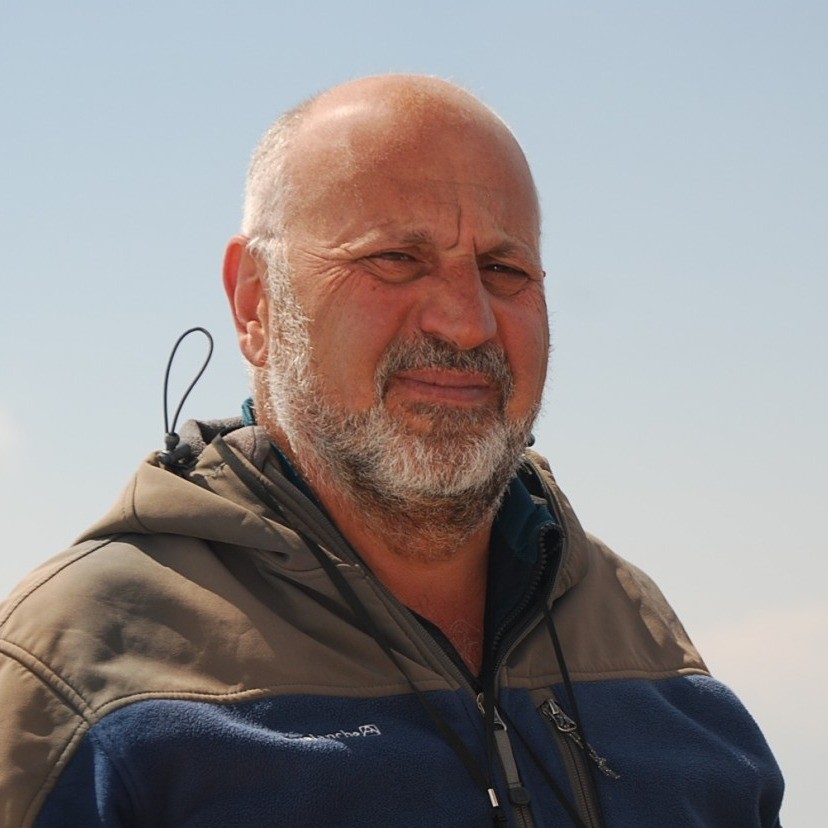

 Yeghiazaryan Armen
Travel Conditions and Review of Armenia History of Armenia The history of Armenia is ancient and rich, dating...

This excursion is for connoisseurs of nature, ancient architectural monuments and history. We will see two stunningly beautiful m …

You can book car tours in any direction and on any day. The prices presented include transportation costs, and the prices of guide …

Welcome to Armenia! Garni is a village in Armenia, 28 km from Yerevan in Kotayk region, in the valley of the Azat River. The popul …

We will leave Yerevan towards the city of Ashtarak to the village of Mugni. The Church of St. Gevorg (St. George) is located in a …

Departure from Yerevan. A trip to Lori region. Sanahin Monastery occupies a small territory in the central part, which around the …

Mount Azhdaak is the highest peak of the Gegham Range, located 60 kilometers east of Yerevan, We leave Yerevan at 7:00 and drive …

I propose to spend an exciting trip to the spiritual capital of the Armenian people in the Holy City of Echmiadzin, where the Cath …

Our adventure will begin in the ancient city of Vanadzor and, depending on the duration of the tour, we will visit prehi …
Tour programs are rich, but not complex. You will travel in comfortable conditions, in a car prepared for tours, equippe …

I organize excursions throughout Armenia: Yerevan, Noravank, Khor Virap, Areni, Garni, Geghard, Sevan, Dilijan, Jermuk ( …

I am planning an extraordinary trip to Armenia. If you love nature, fascinating views and hikes, join us. We will go to …

Sightseeing tour of Yerevan and the ancient capital VagharshpatPagan temple Garni and rock monastery GeghardHigh-mountai …

WiFi in the car Are you planning a trip to Armenia by car? Do you want to have an interesting and exciting time? Want …

I organize individual tours throughout Armenia, and I can bring any whim to Georgia for your money. I have been engag …

Armenia is an amazing country, visiting which seems to travel in time. Ancient corners of Yerevan conquer with its architecture, a …

Comfort. Accommodation. 2 nights in mini-hotels in the center of Yerevan: “Republic Square Boutique Hotel”, “Hotel Erebuni”, “P …

An interesting winter program provides an opportunity to enjoy the winter beauty of Armenia. On the first day you will be met at …

Garni, Geghard and Khor-Virap monasteriesThe tour begins with a visit to the Geghard Monastery (Armenian - spear). The mountains s …

After meeting at the airport, we will go on a tour of the city of Echmiatsin. This is the spiritual center of Armenia and all Arme …
The history of Armenia is ancient and rich, dating back more than a millennium. Here is a brief overview of its key developments:
Today, Armenia is an independent state with a rich cultural and historical heritage, continuing to develop and cope with the challenges of the modern world.

Main employment: The main employment of the population of Armenia is traditionally agriculture. Agriculture and cattle breeding play an important role in the country’s economy. The cultivation of fruits, vegetables, grapes, as well as the production of wine and cognac are important industries. There is also industry in cities and rural areas, including textiles, electronics and gemstones.
Activities: In addition to agriculture, many Armenians are employed in education, health care, and public administration. Tourism also plays an important role in the economy, attracting travelers with its rich history, culture and natural beauties.
Religion: The main religious movement in Armenia is the Armenian Apostolic Church, which adopted Christianity as the state religion in the IV century. The Church plays a significant role in culture and social life, and the Christian tradition has deep roots in the daily life of Armenians.
Armenians are proud of their rich history and cultural heritage. Local holidays, traditional festivals, museums and monuments attract the attention of both tourists and locals. Family values and customs are important, and many Armenians participate in traditional festivals and rituals.
Sports, especially football and chess, are also popular in Armenia. Modern culture and art are developing in the country, and theaters, galleries and concert halls can be found in local cities. In general, the local population is interested in preserving its unique culture, active lifestyle and modern trends.

Armenia, with its rich history, cultural heritage and beautiful natural landscapes, is a unique destination for tourists. Here are some aspects that make Armenia attractive to travelers:
The attractiveness of Armenia for tourists lies not only in its history and culture, but also in how these riches are combined with the beautiful nature and hospitality of the local population.
Transport:
1. Public transport: In Yerevan and other major cities, there is a well-developed public transport system, including buses, minibuses and metro. However, to better explore the country, you may need to rent a car.
2. Taxi: Taxis in Armenia are quite affordable and common. This is a convenient way to move, especially if you have limited time.
Restaurants:
Dolmama: It is located in Yerevan and offers high-class Armenian cuisine. Romantic atmosphere and exquisite dishes.
2. The Club Yerevan: This restaurant offers a mix of local and European cuisine, as well as a magnificent view of the city.
3. Yerevan Central Market: Here you can taste authentic Armenian dishes prepared right in front of you and feel the atmosphere of the local market.
Hotels:
1. The Alexander, Yerevan: Luxury hotel with high level of service, modern amenities and central location.
Tufenkian Historic Yerevan Hotel: A unique hotel located in a historic building, with comfortable rooms and atmosphere.
3. Ibis Yerevan Center: An economical option of a network hotel, offering good service and amenities.
Other accommodation options:
1. Guesthouses: In different parts of the country, you can find cozy guest houses offering authentic experience and hospitality to locals.
2. Apartment rental: An option for those who prefer greater independence. There are many apartments available for rent through popular online platforms.
Common services:
In general, the level of service in restaurants, hotels and other places in Armenia is usually high. Locals are usually friendly and willing to help tourists. However, prices and level of service can vary depending on the particular establishment.
Keep in mind that things may change and it is advisable to check the latest reviews and ratings before booking or visiting places.

Armenia is rich in unique historical and natural attractions. Here are a few of them:
Transport accessibility depends on the location, but in general, Armenia has a developed road network and many attractions can be reached by car or public transport. Yerevan, the capital of Armenia, serves as the center of the transport system, providing bus and rail routes throughout the country.
Regarding service, the country has a variety of hotels and restaurants offering different levels of comfort and price categories. Here are some examples:
Hotels:
Restaurants:
Guesthouses and rentals through platforms such as Airbnb are also popular in the country. Armenia provides a variety of accommodation options for tourists with different budgets and preferences.

Armenia hosts various events, holidays and festivals throughout the year, offering tourists the opportunity to enjoy the local culture and traditions. Here are some popular events and their timing:
While visiting Armenia, it is worth checking the exact dates of events and festivals, as they can vary from year to year.

Climate in Armenia:
Best season to travel:
The ideal time to visit Armenia is spring and autumn, when the temperature is pleasant and nature is revealed in its glory. Spring is suitable for those who love green valleys and flowering gardens, while autumn attracts with its colorful autumn forests and vineyards.
Popular events and holidays:
Transport accessibility of attractions:
Armenia is notable for its short distances between cities, making many attractions easily accessible by car. Yerevan, the capital, serves as the center of the transport system, offering buses, taxis and minibuses to various destinations. Important attractions, such as the Geghard Monastery Complex, are well connected by roads, making them accessible to tourists.

Language of communication:
The official and national language in Armenia is Armenian. Most locals speak Armenian and Russian, especially in the capital, Yerevan. In touristic places and hotels, you can also speak English. However, the ability to express yourself in Armenian or at least basic phrases in Russian can be useful and appreciated by local residents.
Traditions and customs:
Laws and regulations:
Compliance with these traditions, customs and laws will help you appreciate the richness of Armenian culture and avoid misunderstandings during your trip.

The official language in Armenia is Armenian. Here are some basic phrases and words that can be helpful for travelers:
These phrases can be useful for communicating with locals in restaurants, shops, and other public places. Knowing at least basic phrases in Armenian will help create a positive impression and facilitate communication during your trip.
Food:
Medications:
Souvenirs:
Interesting places to bring:
When choosing souvenirs and products, make sure to comply with the laws and regulations of transportation to avoid problems when entering your country.

Safety of rest in Armenia:
Note: Before traveling, it is recommended to check the current safety guidelines on the websites of your country’s embassies and local tourist offices.
Local currency in Armenia: The local currency in Armenia is dram (AMD). It is indicated by the symbol ..
Drama to dollar rate: Currency rates can vary, so it is recommended to check the current rate before traveling. Usually, the rate of dram to the US dollar fluctuates, but mostly remains stable.
Payment:
Customs regulations:
Before going on a trip, it is recommended to read the latest customs rules and requirements on the official website of the Customs Service of Armenia or on the website of the local Embassy of your country.
Create a query and local guides will offer you the best options


