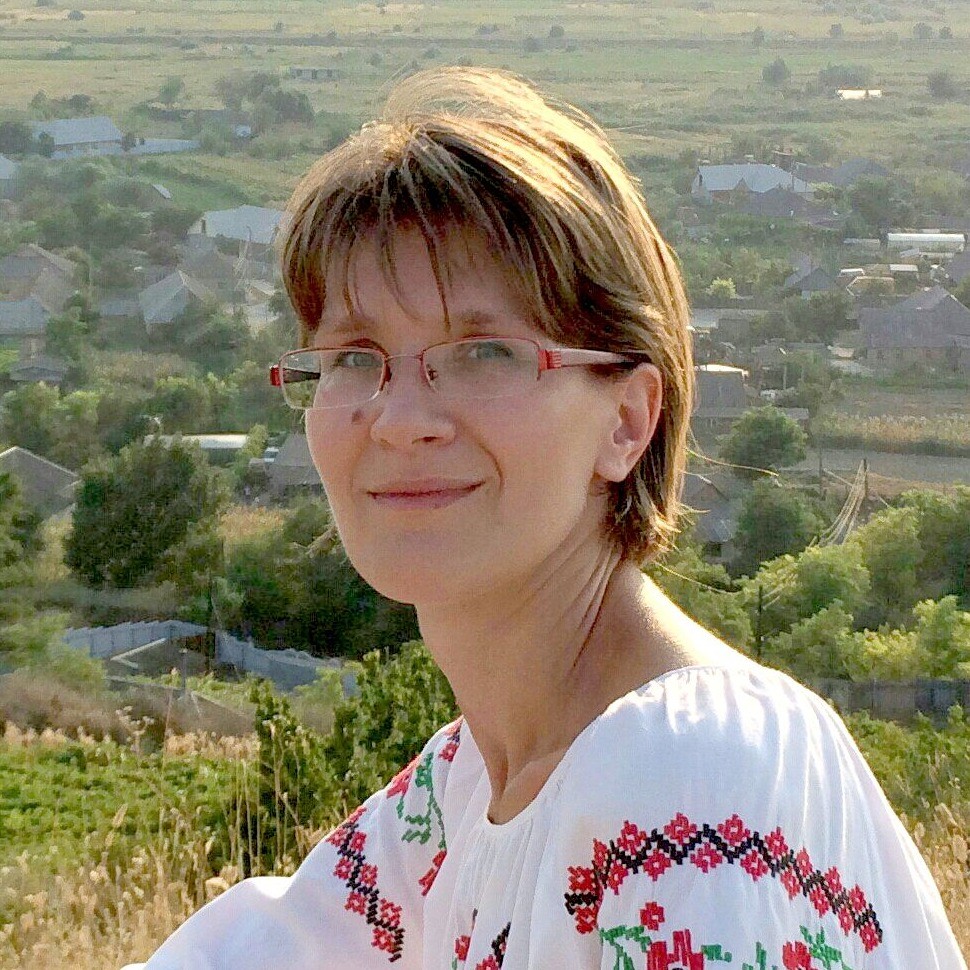
Moldova is a small country in Eastern Europe located between Romania in the west and Ukraine in the east. Its history is rich and diverse, reflecting the influence of different cultures and empires over many centuries.
Ancient Times and the Middle Ages: The history of Moldova dates back more than a thousand years. In ancient times there were various barbarian tribes on its territory. However, the first significant state on this territory was the Grand Duchy of Moldavian, founded in the XIV century. At this time, Moldova became a center of culture and trade.
The Ottoman Empire: In the XVI century, Moldova was captured by the Ottoman Empire. The Ottoman occupation lasted more than three centuries and had a strong impact on the culture and society of Moldova. During this period, many Moldavian rulers were vassals of the Ottoman Empire.
Romanian influence: In the nineteenth century, as a result of a series of wars for independence, Moldavia merged with Wallachia (another Romanian principality) and became known as the Grand Duchy of Romania. This unification was short-lived, and in 1878 Russia recognized the independence of Moldova, although its eastern part remained under Russian control.
Soviet period: In 1940, after the Molotov-Ribbentrop Pact, Soviet troops captured the eastern part of Moldova and annexed it to the USSR as the Moldavian SSR. During this time, campaigns were carried out to sovietize society, including forced collectivization and repression against the opposition.
Independence: After the collapse of the Soviet Union in 1991, Moldova gained independence. However, this period was accompanied by political and economic difficulties. In 1992, the Transnistrian conflict began when Transnistria, the eastern part of Moldova, declared independence and a military confrontation ensued.
Modernity: Since then, Moldova has faced a number of challenges, including political instability, economic hardship and corruption. In recent years, the country has sought to strengthen democratic institutions and reform its economy. It is also on its way to integration into the European Union, a milestone in its history.
In general, the history of Moldova is characterized by the movement and influence of different empires and cultures, which gave it a unique cultural and historical landscape.
Main activities, religion and interests of local population in Moldova
In Moldova, the main employment of the population is various sectors of the economy, such as agriculture, industry, services and trade. Here is a more detailed description:
Agriculture: Agriculture plays an important role in the economy of Moldova. The main crops are grains, fruits, vegetables, grapes and tobacco. Viticulture has a special place and Moldova is known for its wines.
Industry: The industry of Moldova includes food industry, production of building materials, textile and footwear industry, as well as power generation. These industries play an important role in the country’s economy.
Services and trade: Services and trade are also significant for the Moldovan economy. This includes retail, restaurant, tourism, transportation and communications, and financial and banking services.
Religion: The majority of the population of Moldova professes Orthodox Christianity, which has a long history in the region. The Orthodox Church plays an important role in the cultural and social life of the country. In addition, Moldova also has representatives of other Christian denominations, as well as Muslims, Jews and representatives of other religious communities.
The interests of the local population: In their spare time, locals often enjoy attending cultural events, including concerts, theaters and cinemas. Outdoor activities such as nature walks, picnics and sports activities are also popular. Due to the wealth of viticulture in the country, wine tours and tastings are also popular among residents and tourists.
These aspects of life in Moldova are interrelated and create a unique cultural and social environment.
Interesting places and attractiveness of Moldova
Moldova is an amazing place for travelers and tourists, with a rich history, cultural heritage and picturesque natural landscapes. Here are some reasons why Moldova can be an attractive destination for travelers:
Winery and wine tours: Moldova is famous for its vineyards and high quality wines. Travelers can visit numerous wineries and wine cellars, taste local wine varieties and learn more about their production process. Wine tours provide an opportunity to enjoy the beauty of Moldovan vineyards and landscapes, as well as try local delicacies.
Historical and cultural attractions: Moldova has a rich cultural heritage, reflected in its architecture, museums and monuments. Travelers can visit ancient fortresses, Orthodox monasteries and churches, as well as historical cities such as Chisinau and Tiraspol. In every corner of the country you can find unique architectural monuments and interesting historical places.
Natural beauty: Moldova offers great opportunities for nature lovers and outdoor activities. Travelers can enjoy the picturesque landscapes of vineyards, fertile river valleys and green hills. The country also has many parks and reserves where you can spend time outdoors, hiking, cycling and picnics.
Gastronomic pleasures: Moldovan cuisine is rich and varied, offering travelers unique tastes and dishes. Guests of the country should try local delicacies such as mamalyga (corn porridge), pletzinte (cakes with various fillings), green onion salad and other local specialties.
Hospitality of the local population: Moldova is famous for its friendly and hospitable residents. Travelers can experience a warm welcome and experience local culture and customs through socializing with locals, participating in folklore festivities and traditional activities.
The combination of rich history, cultural heritage, natural beauty and gastronomic pleasures makes Moldova an attractive destination for travelers and tourists, and provides a unique experience for exploration and recreation.
Transport accessibility and level of comfort, accommodation and food in Moldova
Although a small country, Moldova offers a variety of opportunities for travelers and tourists. Here is an estimate of the levels of transportation, restaurants, hotels and other services in the country:
Transport: Moldova has a well-developed public transport network, including buses, minibuses and trolleybuses that connect different cities and regions. Taxis are also affordable and relatively affordable. For travel between cities and more distant destinations, there are bus and rail routes.
Restaurants: Moldova is known for its rich culinary tradition, including a variety of local dishes and wines. In the capital of Chisinau and other major cities, you can find restaurants of various cuisines - from Moldovan and Romanian to European and international. Options from expensive restaurants to more affordable cafes and street food are presented in large numbers.
Hotels: In Moldova there are hotels for every taste and purse. From exclusive five-star hotels in the city center to cozy family guesthouses and hostels. In Chisinau, popular hotels are Jolly Alon Hotel, Radisson Blu Leogrand Hotel, Berd's Design Hotel and Hotel Codru. Other cities also have a wide range of hotels and hotels, such as Hotel Chisinau, City Park Hotel, and Hotel Cosmos.
Other types of accommodation: Apart from traditional hotels, renting apartments or houses through platforms such as Airbnb is also popular in Moldova. This gives tourists more flexibility and comfort in the choice of accommodation, especially for long stays or for travel with families or groups of friends.
Service in Moldova is generally characterized by a friendly and welcoming attitude, as well as a variety of cultural and culinary opportunities, making the country an attractive place to visit.
What to see in Moldova
Moldova, despite its small territory, has a rich cultural heritage and beautiful natural attractions that can attract tourists. Here are some of the main attractions and their transport accessibility:
Chisinau:
Central Boulevard (Bulevardul Ştefan cel Mare și Sfânt) is a pedestrian street with shops, restaurants and cafes, an ideal place for walking and shopping.
The National Museum of History of Moldova is located in the historical center of Chisinau and offers an extensive collection of artifacts related to the history of the country.
Valea Morilor Park is a large park with lakes, picnic areas and outdoor activities.
Orhei:
The Central Quarter is a historic quarter in which monasteries, churches and other architectural monuments are located.
Caprian Monastery is one of the oldest monasteries in Moldova, founded in the XV century.
The Monastery of Wonderworkers in Trinity-Rakhov is a beautiful complex of monasteries located on the bank of the river.
Kretsushene:
Transnistria National Park is known for its picturesque landscapes, mountains, forests and rivers, an ideal place for active recreation and eco-tourism.
Kretsushensky Monastery - an ancient monastery, founded in the XV century, is located in a picturesque area on the bank of the river.
Gagauzia:
Ethnographic Museum of Gagauzia in Comrat offers a unique look at the culture and traditions of the Gagauz people.
Complex "Gagauzia" is an open-air museum demonstrating the architecture and life of the Gagauz.
Transport accessibility in Moldova includes various options, including buses, minibuses and taxis. Long-distance trips can be carried out by buses or minibuses, as well as by rail. Taxis and car sharing services are also available in the capital and other major cities. For tourists who prefer a more comfortable trip, there is the possibility of renting a car.
Hotels and restaurants in Moldova offer a wide range of options from economical to luxurious. Some of the popular hotels and restaurants are:
Radisson Blu Leogrand Hotel is located in the center of Chisinau and offers a high level of comfort and service.
Hotel "Jolly Alon Hotel & Business Center" is another famous hotel in Chisinau with good accommodation and business services.
Restaurant "La Taifas" - located in the historical center of Chisinau, offers exquisite Moldovan cuisine and atmosphere.
Restaurant "Andy's Pizza" - a network of restaurants with affordable prices and a wide selection of pizza and other Italian dishes.
General transport accessibility and a variety of accommodation and food options make Moldova an attractive destination for tourists of different levels of comfort and budget.
Holidays, cultural life and events in Moldova
Moldova throughout the year offers a variety of events, festivals and holidays for tourists and locals. Here are some of the most popular events at different times of the year:
Spring and summer events (April-June):
Martsisor (March 1) is a traditional Moldovan spring festival, when people give each other decorations made of red and white thread.
Wine festival "Mai Vin" (May) is held in different regions of the country, where you can taste a variety of varieties of Moldovan wine and learn about winemaking.
Birthday of Chisinau (May 14-17) - the city celebrates its birthday with various events, parades and concerts on the streets.
Summer events (July-August):
The festival "Gagauzia: Art and Traditions" (July) is an event dedicated to the culture and traditions of the Gagauz people, with a show of folk crafts, concerts and a fair.
Festival of Moldovan folk dance and song "Road" (July) - competitions and demonstrations of folk ensembles and collectives.
Independence Day of Moldova (27 August) - festive events, parades and concerts in honor of the Independence Day of the country.
Autumn events (September-November):
The festival of grapes and wine "National viticulture and winemaking" (September) is an annual event dedicated to winemaking, with exhibitions, tastings and competitions.
International Kite Festival "Moldova Kite Festival" (October) is a colorful event with the participation of kite masters from around the world.
Halloween (October 31) - Although it is not a traditional Moldovan holiday, many clubs and bars in Chisinau and other cities host parties and events.
Winter events (December-February):
New Year and Christmas (31 December – 7 January) – decorated streets, fairs, concerts and festive events create a festive atmosphere throughout the country.
Maslenitsa (February-March) - before the beginning of Lent, many Moldovans celebrate this holiday with songs, dances and folk festivals.
These events and holidays offer tourists the opportunity to immerse themselves in Moldovan culture, enjoy traditional entertainment and discover the unique aspects of this country. Transport accessibility of different regions provides convenience and comfortable movement between different events and attractions.
What weather is best for traveling to Moldova
Moldova has a temperate continental climate with distinct seasons. Here is a brief description of the climate at different times of the year:
Spring (March-May):
Spring in Moldova is usually cool, but with increasing temperatures, trees and flowers begin to bloom.
The average air temperature in March is about 6-10 ° C, in April - 12-18 ° C, and in May - 18-24 ° C.
The water temperature in the month of March is about 4-8 ° C, in April - 8-12 ° C, and in May - 12-18 ° C.
Summer (June - August):
Summer in Moldova is usually hot and sunny, which makes this period attractive for tourists.
The average air temperature in June is about 22-28 ° C, in July - 25-32 ° C, and in August - 23-30 ° C.
The water temperature during this period rises to a comfortable 20-25 ° C.
Autumn (September to November):
Autumn in Moldova is cool, with bright autumn colors and sometimes rainy.
The average air temperature in September is about 18-24 ° C, in October - 11-16 ° C, and in November - 5-10 ° C.
The water temperature gradually decreases, reaching about 18-22°C in September, 12-16°C in October and 6-10°C in November.
Winter (December to February):
Winter in Moldova is cool, sometimes with severe frosts and snowfalls.
The average air temperature in December is about -1°C to +3°C, in January -3°C to +1°C, and in February -2°C to +3°C.
In winter, rivers and lakes usually freeze, and the water temperature can drop to 0 ° C.
The best time to travel to Moldova depends on the preferences of the tourist. Summer is the most popular season due to the warm and sunny weather, and this time is suitable for visiting wine festivals, nature picnics and sightseeing. Autumn is also attractive due to its colorful nature and harvest time for vine growers.
Language of communication, traditions, customs and laws in Moldova
In Moldova, the official language is Moldovan (or Romanian). However, Russian is also widely used, especially in cities and in the service sector. Many people in Moldova speak both languages, so you can usually use both Moldovan and Russian for communication. Tourist places and hotels can also speak English or other European languages.
When visiting Moldova, it is important to observe some traditions, customs and laws:
Respect for local culture and religion: Visitors should respect local traditions and customs. This includes respect for the Orthodox religion, so avoid visiting churches in indecent clothing and engaging in religious rites with respect.
Etiquette in communication: Polite treatment of locals is highly appreciated. Standard displays of politeness, such as “hello,” “please,” and “thank you,” will help create a positive impression.
Safety: As in many other countries, it is important to take precautions about your safety and your values. Be careful on the streets, especially at night, and not leave valuables unattended.
Use of public transport and roads: When using public transport or renting a car, it is important to follow traffic rules and local laws. For example, the use of seat belts is mandatory.
Use of national parks and natural places: When visiting national parks and other natural places, it is necessary to observe the rules of conduct and not cause damage to the environment. You should use marked trails and not throw garbage in nature.
Compliance with these traditions, customs and laws will help make your trip to Moldova enjoyable and safe, as well as help you better understand the local culture and customs.
The main dialogues for a trip to Moldova
Here are some basic words and phrases in Moldovan that can be helpful when traveling to Moldova:
Greetings and general phrases:
- Bună! (buna)
Hello! - Bună ziua!
How are you? - Ce mai faci?
- Bine, mulțumesc! - Bine, mulțumesc!
Please (in response to "thank you") - Cu plăcere!
Excuse me - Scuzaţi-ma!
Shopping and ordering food:
How much is this? - Cât costă asta?
I need to... - Am nevoie de... (I don't have any...)
How much is a ticket to...? - Cât costă biletul până la ...?
Farewell:
Good-bye! - La revedere!
See you later! - Ne vedem mai târziu!
Happy journey! - Drum bun!
These phrases can help to interact with locals and get a more enjoyable and smooth experience of traveling around Moldova.
What dishes, medicines and gifts are popular in Moldova
In Moldova, there are many unique and interesting things that can be purchased as souvenirs or brought home as healthy and tasty products. Here are some of them:
Wine and cognac: Moldova is known for its high-quality wines, which enjoy international recognition. Vineyards and wine cellars of Moldova offer a variety of wines, ranging from light white to rich red and fragrant desserts. In addition, Moldovan cognac also deserves attention.
Medicinal herbs and honey: In Moldova, there are many places where medicinal herbs are grown, such as sage, chamomile, mint and linden. These herbs can be purchased in local markets or from farmers. Also, honey produced in Moldova is known for its quality and can be beneficial for health.
National costumes and crafts: Moldovan folk costumes and handicrafts such as embroidery, ceramics and national decorations can be interesting souvenirs. They can be purchased in local shops or in handicraft markets.
Mead and national sweets: Mead is a traditional honey drink found in Moldova. It is also worth trying national sweets such as caramel quince jam (dulceaţă) and nut cake "Negres".
Ceramics and ceramic products: Moldova is known for its traditional ceramic products such as pottery, vases and ornaments. These products can be a beautiful and original souvenir.
A trip to Moldova can also offer unique cultural and natural experiences that can become the most valuable memorable moments of your trip.
What to cook for a safe holiday in Moldova
Security in Moldova is generally at an acceptable level, but some precautions should still be taken as in any other country. Here are some recommendations for a safe holiday in Moldova:
Documents and insurance:
When traveling to Moldova, you will need your passport or other valid identity document. It is also recommended to carry copies of documents or electronic copies in case of loss or theft.
It is recommended to purchase health insurance that covers medical expenses in the event of an accident or illness.
Emergency services:
Police: 112 (general emergency number)
Ambulance: 903
Fire service: 901
Mobile operators:
There are several mobile operators in Moldova, such as Moldcell, Orange Moldova and Unité. You can purchase a SIM card from any of them to connect to the local network.
Duration of stay without leaving the country:
Citizens of many countries have the right to visa-free stay in Moldova for a certain period of time. This period may vary depending on the country, so it is advisable to clarify this information with the Consulate or Embassy of Moldova in your country.
In general, Moldova is a fairly safe place for tourists, but as elsewhere, one should be vigilant and take precautions, especially regarding one’s values and personal safety.
Local currency and customs regulations in Moldova
In Moldova, the official currency is the Moldovan leu (MDL). Here is some information about the local currency:
Rate to US dollar:
The exchange rate of Moldovan leu against the US dollar may vary depending on the market situation. Before traveling, it is recommended to check the current rate in banks or exchange offices.
Payment:
In most places in Moldova, you can pay in cash in local currency. Some tourist destinations or major cities also accept credit and debit cards.
Currency can be exchanged at banks, exchange offices, airports and some hotels.
Customs regulations:
When entering and leaving Moldova, you may need the following documents: passport, completed customs declaration (if necessary), visa (if required depending on your citizenship).
The import and export of cash in excess of EUR 10,000 or equivalent is subject to mandatory declaration.
When importing goods worth more than 300 euros, customs duties are payable. However, there are restrictions and prohibitions on the import of certain goods such as drugs, weapons and alcoholic beverages above a certain proportion.
In general, following customs rules and exchanging money according to official rates will help you avoid problems when entering and leaving Moldova.
The site uses a web analytics service
Yandex Metrics
using cookie technology to make the site more convenient. You can prevent the processing of cookies in the browser settings.
Details in Privacy policy.