Tour details at amazingtrip.org/2012tur/cambodia-thailand
Tel. +7 (499)703-00-26
The journey begins in Bangkok, where in two day …
500
group
Oh. Thailand
Travel and rest in Thailand
Historical information about Thailand
The history of Thailand, officially known as the Kingdom of Thailand, is rich and diverse, stretching over thousands of years. Early civilizations, including the ancient kingdoms of Dwaravati, Lanna and Sukhothai, left their mark on the region, but the main contribution to the formation of modern Thailand was made by the Kingdom of Ayutia and the subsequent Chakri dynasty.
Ancient civilizations: Early settlements in the territory of modern Thailand date back to at least 4000 BC. At various periods, various civilizations existed here, including Mon, Khmerov, Lao and others. These cultures influenced the formation of the language, culture and religion of the region.
Ancient Kingdoms: Dvaravati, Lanna, and Sukhothai are just a few of the ancient kingdoms that flourished in the region. Each has contributed to the development of religion, art, architecture and commerce.
Kingdom of Ayutia: In the XIV century, the Kingdom of Ayutthaya (or Ayutthaya) became the main force in the territory of modern Thailand. It was a period of flourishing and flourishing arts, culture and commerce when Ayutia became the center of international trade and diplomacy.
Chakri dynasty: In 1782, General Bhuja Krachao (Rama I) founded the Chakri dynasty and established Bangkok (then called Krabi Sri Ayutiya) as the capital. The Chakri dynasty still rules Thailand. During the Chakri Dynasty, Thailand faced colonial pressure from Western powers, but unlike many other Asian countries, Thailand was never colonized.
Modern history: In the twentieth century, Thailand faced a number of political crises, including periods of military coups and social unresolved events. In 1932, there was a military coup that established a constitutional monarchy. In the decades that followed, the country experienced periods of stability and instability, including periods of military rule and mass protests.
Modern Thailand: Today Thailand is a popular tourist and economic center. The country is known for its beautiful beaches, rich cultural heritage, delicious cuisine and friendly people. It also plays an important role in the regional politics and economy of Southeast Asia.
This is just a brief summary of the history of Thailand. Each of the periods in the history of the country is rich in its own details, events and personalities that influenced the formation of the modern appearance of this amazing country.
Main activities, religion and interests of local people in Thailand
The population of Thailand is engaged in various activities inherent in modern society. The main sectors of employment include:
Agriculture: In rural areas, many people are engaged in agriculture, growing rice, fruits, vegetables, and livestock. Agriculture remains an important source of income for a large part of the population.
Industry: Industry, including automobiles, electronics, textiles and food, plays a significant role in the Thai economy. Various industrial complexes and zones attract investment and create jobs.
Tourism: Tourism is a key sector of the Thai economy. The country attracts millions of tourists annually due to its beautiful beaches, rich cultural heritage, great cuisine and a variety of entertainment.
Trade and services: Retail, restaurants, hotels, medical services, education and other services play an important role in the Thai economy and provide many jobs.
Religiously, Thailand is known as a country dominated by Buddhism. About 95% of the population professes Theravada Buddhism, which plays a significant role in the cultural and social life of the country. Although Buddhism is the dominant religion, smaller religious communities are also present, including Islam, Christianity, and others.
The interests of the local population in Thailand vary depending on the place of residence, social status and other factors, but in general they are often associated with family, socializing with friends, visiting temples, beach holidays, local cuisine and cultural events. Thais are also fond of sports, including football, boxing and badminton, as well as various types of entertainment such as music, dancing and festivals.
Interesting places and attractiveness of Thailand
Thailand is a great travel and tourism destination that attracts millions of visitors every year. Here are some of the reasons why Thailand is so attractive to tourists:
Beautiful beaches and islands: Thailand is famous for its spectacular beaches and islands with white sand, warm sea and crystal clear water. Islands such as Phuket, Koh Samui, Koh Phangan and many others offer a variety of beaches - from picturesque coves to secluded corners.
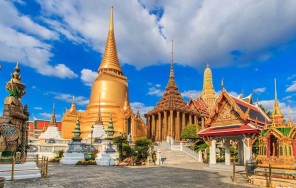
Rich cultural heritage: Thailand has a rich history and cultural heritage that is reflected in its architecture, temples, festivals and traditions. Visitors can visit impressive temples such as the Temple of the Emerald Buddha (Wat Prasriratchattan Sasadaram), the Ancient City of Sukhothai and many other historical attractions.
Amazing nature: From rainforests to mountain ranges and waterfalls, Thailand’s natural beauties amaze with their diversity and beauty. National parks such as Erwan National Park and Kao Sok National Park offer opportunities for hiking, swimming, kayaking and encountering wildlife.
Delicious kitchen: Thai cuisine is known for its vibrant tastes, fresh ingredients and unique combinations. From street food to luxury restaurants, Thailand offers a wealth of culinary experiences that will satisfy every taste.
A variety of entertainment: There is always something for everyone in Thailand, from excursions and outdoor adventures to shopping, nightlife and spa treatments. Cities like Bangkok and Chiang Mai offer a variety of entertainment including theaters, museums, markets and more.
Hospitality of the local people: Thais are known for their warm and friendly attitude towards visitors. The hospitality of the local people makes a trip to Thailand even more enjoyable and memorable.
All these factors make Thailand one of the most popular tourist destinations in the world, attracting travelers of all ages and interests.
Transport accessibility and level of comfort, accommodation and food in Thailand
Thailand offers a variety of service levels in the areas of transport, restaurants, hotels and other services. Here is an overview and some examples of popular places:
Transport:
Public transport: In Thai cities such as Bangkok and Chiang Mai, various forms of public transport are available, including subways, buses, mototaxi (tuk-tuks) and taxis.
Private transport services: Popular taxi services and electric tuk-tuks are also available to move around the city or long-distance routes.
Domestic flights: For long-distance trips in the country, domestic air travel between various cities and resorts is available.
Restaurants:
Luxury restaurants: Thailand offers many luxury restaurants with a high level of service and fine cuisine, such as "Gaggan" in Bangkok, known for its molecular cuisine.
Street food: Street food in Thailand is known for its delicious and affordable dishes. Street food markets such as Chatuchak in Bangkok offer a wide range of dishes at reasonable prices.
Hotels:
Luxury hotels: Thailand is known for its luxury hotels such as the Mandarin Oriental in Bangkok or the Four Seasons Resort on Koh Samui.
Economical options: More affordable accommodation options are also available in Thailand, such as hotels and hostels in cities or guest houses and bungalows on the beaches.
Other accommodation options:
The option of renting apartments or houses for a short or long term is available in various cities and resort areas.
Ecology: Recently, living in ecologias and bungalows located in nature reserves and national parks has become popular in Thailand.
This is just a small overview of the options available in Thailand. Depending on your preferences and budget, visitors can choose the best option for their stay in this amazing country.
What to see in Thailand
Thailand offers many amazing attractions that attract tourists from all over the world. Here are some of the main attractions and information about transport accessibility:
Bangkok:
Temples: Bangkok has many magnificent Buddhist temples, such as the Temple of the Emerald Buddha (Wat Prasriratchattan Sasadaram) and the Temple of the Hot Diamond (Wat Phra Keo).
Palaces and palace complexes: Visitors can visit the Royal Palace and the Magnificent Palace to see the magnificent architecture and historical artifacts.
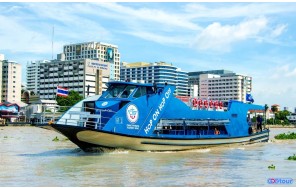
Chao Phraya River: A walk along the Chao Phraya River offers magnificent views of the city and allows you to see various attractions from the water.
Chiang Mai:
Temples and hills: Chiang Mai has many beautiful Buddhist temples, including Wat Chedi Luang and Wat Phra Singh. Also here you can go on an excursion to the mountains and villages with panoramic views.
Night markets: Chiang Mai’s night markets, such as the Central Market and Night Craft Market, are known for their traditional handicrafts and delicious street food.
Phuket:
Beaches and islands: Phuket is famous for its beautiful beaches such as Patong, Karon and Kata. From here it is also convenient to take day trips to islands such as Koh Phi Phi and Koh Racha.
Samui:
Beaches and waterfalls: Koh Samui Island offers gorgeous beaches like Chaweng and Lamai, as well as beautiful waterfalls like Namuang and Hin Lad.
Transport accessibility depends on the location of each attraction:
In large cities such as Bangkok and Chiang Mai, public transport (metro, buses, taxis) and private services (taxis, tuk-tuks) are available.
Domestic flights, buses and trains are popular for travel between cities and resorts.
Marine transportation services such as ferries and speedboats are also available for excursions to the islands or visiting remote places.
With a variety of transport options and well-developed infrastructure, attractions in Thailand are easily accessible to visit.
Holidays, cultural life and activities in Thailand
Thailand is a country with a rich culture and many traditional holidays and festivals. Here are some of the most popular events that occur at different times of the year:
Songkran (Thai New Year) is one of the most vibrant and fun holidays in Thailand, which is celebrated in April. Songkran is known for its water battles where people happily throw water at each other for days.
Lunar New Year (Songkran Chao Luna) is a traditional Chinese holiday that is also celebrated in Thailand. It usually falls in February or March. On this day, the streets are decorated with red light bulbs, parades and cultural events are held.
Loi Krathong Summer Festival is one of the most romantic Thai festivals celebrated in November. On this day, people go to the ponds to send candles to the water in banana boats, calling for good luck and well-being.
The Merry Umbrella Festival (Bun Ban Fai) is a traditional Lanna festival celebrated in November in Chiang Mai. For three days, the townspeople travel to the hills with huge umbrellas decorated with fire torches to honor the Buddha and present their desires.
Raxa Sancrant Festival is a Baroque festival celebrated in May. During this festival, people usually participate in meditation, exchange of blessings and treat the monks.
Music festivals and concerts: Thailand also hosts music festivals and concerts featuring both local and foreign artists. For example, EDM (Electronic Dance Music) festivals, rock concerts and more.
This is just a small overview of the various festivals that take place in Thailand at different times of the year. Each of these events is a unique opportunity to experience Thai culture, traditions and festive mood.
What weather is best for traveling to Thailand
Thailand has a tropical climate characterized by two seasons: dry and rainy. Here is an overview of the climate at different times of the year:
Rainy season (May - October):
At this time of year, most rain falls in Thailand, especially in July and August.
The air temperature is usually high, averaging around 30-35°C, with high humidity.
The water temperature is also high, averaging around 28-30°C.
Rainfall is usually short-term and intense, but can last for several days in some areas.
Dry season (November - April):
At this time of year in Thailand comes the dry season, when there is almost no precipitation.
The air temperature varies by region, but is usually around 25-32°C.
The water temperature remains high, about 26 to 30°C.
This time of year, Thailand has the clearest skies and sunny days, making it a popular time for beach holidays and excursions.
The best season to travel to Thailand depends on the preferences of travelers. However, the period from November to April is generally considered the best time to visit Thailand due to good weather, minimal rainfall and more comfortable air temperatures. This period is also popular with tourists as it allows you to enjoy all kinds of outdoor activities and cultural activities that Thailand offers.
Language of communication, traditions, customs and laws in Thailand
The language of communication in Thailand is Thai. It is the official language of the country and is used in all official documents, communication and service in tourist places. However, the use of English is also common in tourist regions and major cities, and many people, especially those working in the hospitality industry, can communicate in English.
When visiting Thailand, some traditions, customs and laws should be followed to respect the local culture and avoid misunderstandings or problems.
Clothes: Visitors should respect local traditions and wear modest clothing when visiting temples and sacred sites. This means that the shoulders and knees should be closed. Lighter clothing can be worn on beaches and resort areas, but decency is important.
Respect for Buddhism: Buddhism is the dominant religion in Thailand, so visitors should show respect for local customs and sacred sites. For example, one cannot touch Buddhist statues, sit above a monk, or photograph monks without their permission.
Respect for local customs: Local customs and traditions should be respected. For example, remove shoes before entering a house or temple, do not show your feet, do not touch the head of local residents.
Respect for the Royal Family: Thailand has laws against insulting or criticizing the royal family. Such actions can have serious legal consequences.
Drug prohibition: Thailand has very strict laws regarding drug use, including marijuana. Violation of these laws can result in heavy penalties, including imprisonment.
Compliance with these simple rules will help you avoid conflict and disruption during your trip to Thailand. Respect for the local culture and traditions is always appreciated and will allow you to get the most out of your stay in this amazing country.
The main dialogues for traveling in Thailand
When traveling to Thailand, it’s good to know some basic Thai words and phrases to communicate with locals and improve your experience. Here are some useful words and phrases:
Greeting:
Sawadi (Sawadi) - Hello
Sawadi krap/ka - Hello (positive polite treatment for men/women)
Ask for help:
Help me, please - / ) (chuai duai ka/krap)
Ask where something is:
Where's the toilet?
Where's the restaurant?
Order at the restaurant:
Menu, please - ) (kor menu noi)
I'd like to order... - ... (chan tong karn sang...)
Thank you - ) (khob khun)
Market trading:
How much does it cost? - ?
It's expensive - ) (paeng geern bai)
Can I get a discount?
Ask for the bill:
Invoice please - С/ С (check bin/set charj)
Clarification of place or direction:
Where is this? (Yoo tee nai?)
How do you get there? - Pai... dai yang ngai?
Goodbye:
Goodbye - ) (laa korn)
(khor hai mee gaan dern tang tee bplod pai)
These are just a few basic words and phrases that can be helpful during your trip to Thailand. Knowing and using these phrases will help you communicate better with locals and enjoy your stay more.
What dishes, medicines and gifts are popular in Thailand
There are many unique and interesting things to buy as souvenirs or bring home after a trip. Here are some popular options:
Food:
Thai spices and sauces: Thai cuisine is famous for its vibrant flavors and aromas, so buying a set of Thai spices or sauces can be a great idea. For example, a set for catfish there (papaya salad), tom yam pasta (pasta for that pit) or us pla (spicy sauce with lime).
Dried fruit: Thailand is known for its delicious and fragrant dried fruits such as mango, pineapple, coconut and bananas. They are a delicious souvenir.
Coconut products: Coconut is one of the main ingredients of Thai cuisine. You can buy coconut oil, coconut milk, coconut sugar or dried coconut chips.
Medications:
Massage oils and balms: Thailand is famous for its massage techniques, and there are plenty of herbal oils and balms and natural ingredients to help you relax and feel relief after a long day.
Herbal teas and tinctures: Thailand is also known for its herbal teas and tinctures that are used to maintain health and well-being. For example, tea from lemongrass, ginger or chaba.
Souvenirs:
Buddhist statuettes: In Thailand, you can find many different Buddhist figurines, which are wonderful souvenirs and can be a great addition to your interior.
Elephant Souvenirs: The elephant is a symbol of good luck and happiness in Thai culture. Elephant souvenirs such as figurines, pillows, photographs and jewelry can be a wonderful gift or souvenir.
This is just a small overview of what you can buy in Thailand. There are many unique and quality products in this country that can make your trip even more memorable.
What to cook for a safe holiday in Thailand
Holidays in Thailand are generally quite safe, however, as in any other country, there are several precautions that tourists should follow. Here are some safety tips for a holiday in Thailand:
Documents:
Passport: Make sure your passport is valid for at least 6 months after the end of your planned stay in Thailand.
Visa: Check the visa requirements for your country. Citizens of many countries can visit Thailand without a visa for a certain period of time, but this may vary depending on your nationality.
Hotel reservations: Have your hotel reservation confirmation or address in Thailand.
Insurance:
Health insurance: It is recommended to have health insurance that covers medical expenses and emergency medical care in Thailand.
Emergency services:
Police: 191
Ambulance: 1669
Fire service: 199
Mobile operators:
There are several mobile operators in Thailand, such as AIS, DTAC and TrueMove. Tourists can purchase a local SIM card to access the mobile Internet and network.
Safety outside:
Be mindful of your property, especially in tourist areas and on public transport.
Avoid walking alone in unlit or sparsely populated areas at night.
Duration of stay without leaving the country:
Tourists are usually allowed to stay in Thailand without leaving the country for 30 days upon entry on a tourist visa. However, this may change depending on your nationality and the duration of your visa.
Following these tips will help make your holiday in Thailand safer and more comfortable. However, remember that it is important to be alert and vigilant in any situation and follow local laws and regulations.
Local currency and customs regulations in Thailand
The local currency in Thailand is the Thai Baht (THB). It is usually indicated as "".". Banknotes are issued in denominations of 20, 50, 100, 500 and 1000 baht, and coins in denominations of 1, 2, 5 and 10 baht. Most places only accept Thai baht, so it is important to have them when visiting the country.
The exchange rate of the Thai baht to the US dollar may vary depending on market conditions. However, the exchange rate usually ranges from 30 to 35 Thai baht per dollar.
As for settlements, it is best to use cash in Thai baht. Large hotels, restaurants and stores can accept Visa and MasterCard cards, but small stores or markets may not accept cards. Always carry cash with you.
With regard to customs regulations, when entering and leaving Thailand, tourists must comply with the following rules:
Import and export of currency: Under Thailand’s rules, cash and other valuables equivalent to more than $20,000 must be declared when entering and leaving the country.
Prohibited goods: It is illegal to import drugs, weapons, counterfeit goods and materials that offend the royal family into Thailand.
Alcohol and tobacco: There are restrictions on the import of alcohol and tobacco into Thailand. Tourists over the age of 20 can import 1 liter of alcoholic beverages and 200 cigarettes or 250 g of tobacco duty-free.
Personal items: Tourists can import personal belongings and electronics for personal use without paying customs duties.
Goods for resale: Goods that are purchased for the purpose of resale may be subject to customs duties.
Compliance with these customs rules will help to avoid unpleasant situations when entering and leaving Thailand. It is always recommended to read the latest information about customs regulations before traveling to the country.
Country maps Thailand
Country tourist maps Thailand - routes, attractions and unique objects.
The site uses a web analytics service
Yandex Metrics
using cookie technology to make the site more convenient. You can prevent the processing of cookies in the browser settings.
Details in Privacy policy.







 Dmitry Kuzharov