Dates of arrival:
from 01.09.2012 to 01.11.2013 on Thursdays, Fridays, Saturdays, Sundays, Mondays
The price includes:
1. trans …
Oh. Portugal
Independent tourism and recreation in Portugal
A brief history of Portugal
The history of Portugal spans more than two millennia and includes many interesting periods and events. Here is a brief description of the main stages of the history of this country:
Ancient Time and the Roman Empire (3rd century BC – 5th century AD): The territory of modern Portugal was inhabited by ancient Celts, Phoenicians and Greeks. In the 2nd century BC, this area became a province of the Roman Empire and was called Lusitania.
Middle Ages (5th century - 15th century): After the fall of the Roman Empire, independent kingdoms such as Gaul and Leon emerged in Portugal. In the 12th century, the Kingdom of Portugal was formed, which later became one of the leading maritime powers in Europe due to its colonial empires.
The Age of Great Discoveries (15th century – 16th century): Portuguese navigators, including Vasco da Gama and Alvarez Cabral, opened new routes to Africa, India, and South America. Portugal became Europe’s first maritime power and established a vast colonial empire in Africa, Asia and South America.
Empire (16th century - 19th century): The Portuguese Empire was one of the most powerful in the world. It included such territories as Brazil, Goa, Macau and others. However, in the 19th century, the empire began to collapse due to economic and political problems.
XX century: In 1910, a revolution took place in Portugal, which overthrew the monarchy and established a republic. In 1926, a military coup took place in the country, as a result of which the fascists came to power. In 1974, the Carnation Revolution led to the fall of the dictatorship. Since then, Portugal has become a democratic republic.
Modernity (XXI century): After democratic changes, Portugal joined the European Union in 1986 and implemented a series of economic and social reforms. The country is actively developing in the fields of tourism, agriculture, high technologies and education.
Portugal is a country with a rich history, an important cultural heritage and beautiful nature. Its history reflects the influence of different peoples and cultures on the formation of the modern Portuguese nation.
Main activities, religion and interests of the local population in Portugal
In Portugal, the population is engaged in various activities, including:
Agriculture: Portugal has extensive agricultural land where cereals, grapes, olives, and fruits and vegetables are grown. Livestock production is also developed in some regions.
Fishing: Due to its location by the ocean, fishing is of great importance for local economic development. Portugal is one of the largest fishing countries in Europe.
Tourism: Tourism plays a significant role in the Portuguese economy. The country attracts tourists with its beaches, cultural attractions, wine regions and beautiful cities such as Lisbon and Porto.
Industry: The country has developed industries such as textiles, automotive, equipment and electronics.
Trade and services: In large cities, there are numerous trading enterprises, restaurants, hotels and other service institutions.
With regard to religion, the majority of the population of Portugal professes Catholicism. The Catholic Church plays a significant role in the cultural and social life of the country. However, with the increasing diversity of the population, the country has also seen the growth of other religious communities such as Islam, Orthodoxy and Protestantism.
The interests of the local population in Portugal are diverse and depend on region, age and social status. Cultural events, sports events, traditional festivals, visiting restaurants and cafes, outdoor activities and beaches are all popular activities among the local population. In addition, many Portuguese are addicted to football, which is one of the most popular sports in the country.
Interesting places and attractiveness of Portugal
Portugal is an amazing and attractive country that has a rich culture, beautiful landscapes, a magnificent climate and a hospitable population. Here are a few reasons why Portugal is an attractive destination for travelers and tourists:
Historical heritage: Portugal has a rich historical heritage, including castles, palaces, churches and ancient cities. In Lisbon, Sintra, Porto and other historic cities you can immerse yourself in the atmosphere of the Middle Ages and Renaissance.
Natural beauty: Portugal is delightful for its diverse landscapes – from the picturesque beaches of the Algarve to the green hills of Douro and the majestic gorges of Madeira. This country offers ideal conditions for outdoor activities, including hiking, cycling and water sports.
Wine and gastronomy: Portuguese cuisine is famous for its diversity and authenticity. You should definitely try seafood on the ocean, as well as local delicacies such as pastel de nata and bakalhau. In addition, Portugal is one of the largest wine producers in the world, and wine tours to the regions of Douro, Alentejo and Portuguese Champagne will not leave you indifferent.
Picturesque towns and villages: Portuguese towns and villages are known for their unique architecture and charm. The amazing streets and squares of Lisbon, the magical city of Sintra, the historic center of Porto are all places worth visiting while traveling in Portugal.
Hospitality of the local population: The Portuguese are famous for their hospitality and goodwill. During your stay in Portugal, you will feel at home thanks to the warm welcome and friendly attitude towards tourists.
No matter what you are passionate about – history, nature, culture or gastronomy, Portugal offers a rich selection of entertainment and opportunities for an unforgettable holiday.
In Portugal, you will be welcomed. private guides And they'll offer you a copy. individual toursTravel agencies of the country of Portugal, will offer their services and organize tour Interesting excursions for travelers.
Transport accessibility and comfort, accommodation and food in Portugal
Portugal offers a variety of transport options, restaurants, hotels and other services for tourists suited to different budgets and preferences. Here are the levels score and some examples of hotels and restaurants:
Transport:
Public transport: In major cities such as Lisbon and Porto, a wide range of public transport is available, including metro, buses, trams and trains. Tariffs are quite affordable and the system works efficiently.
Taxi and taxi services: Taxis are also a popular means of transportation, especially for short trips in cities. Services such as Uber and Bolt are also available in major cities, which offer convenient and relatively inexpensive rides.
Restaurants:
Exclusive restaurants: Portugal is known for its high-quality restaurants with local and international cuisine. Some offer luxurious lunches and dinners with stunning views of the city or ocean.
Local cafes and taverns: In each city you can find many local cafes and taverns where you can taste traditional Portuguese dishes at more affordable prices. They offer an authentic atmosphere and delicious food.
Hotels and accommodation:
Luxury hotels: In the major cities and on the coast of Portugal there are luxury hotels with a high level of service, spa centers, restaurants and other amenities.
Middle-class hotels and hotels: Middle-class accommodation options are also widely available in different regions of Portugal. They offer comfortable rooms and amenities at more affordable prices.
Hostels and apartments: For more budget options, there are hostels and apartments, especially popular among young tourists and travelers.
Some examples of popular hotels and restaurants in Portugal:
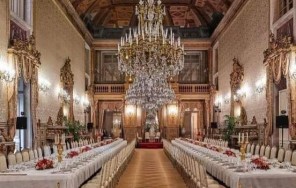
Pousada de Lisboa - Small Luxury Hotels of the World (Lisbon) is a luxury hotel with historical roots and a high level of service.
Restaurant: Belcanto (Lisbon) is an exclusive Michelin star restaurant offering a creative interpretation of Portuguese cuisine.
Economy option: Terra Mia (Lisbon) is a cozy family cafe serving delicious and inexpensive Portuguese food.
Portugal offers a variety of options for a comfortable and enjoyable stay, regardless of your budget and preferences.
What to see in Portugal
Portugal is rich in attractions that attract tourists from all over the world. Here are some of them and information about accessibility:
Lisbon:
Old Town (Alfama): Narrow streets, many historical buildings, colorful shops and cafes.
Belham: The famous Tower of Belem and the Monastery of Sant Geronimos, declared UNESCO World Heritage Sites.
Baisha Quarter: A lively area with shops, restaurants and cultural attractions.
Transport accessibility: Lisbon has a well-developed public transport system, including metro, buses, trams and lifts. Thanks to this, visiting the sights of the city becomes easy and convenient.
Porto:
Santa Clara Church: A beautiful Gothic temple with a rich history.
Ribeira: Many cozy restaurants and bars on the embankment of the Douro River.
Wine cellars in Vila Nova de Gaia: Where to taste the fine Portuguese wines.
Transport accessibility: The port also has a well-developed public transport system, including metro, buses and trams. Pedestrian areas make the city convenient for walking.
Sintra:
Palazzo da Pena: A hilltop castle with colorful architecture and panoramic views.
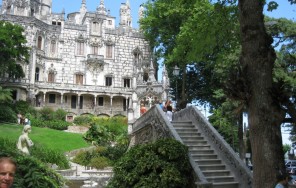
Quinta da Redegeira: Beautiful park and palace with lakes, fountains and gardens.
Transport accessibility: Sintra is easily accessible by train or bus from Lisbon. In the city you can walk or use local buses.
Faro:
Ria Formosa Islands: Spectacular landscapes, sandy beaches and opportunities for hiking and bird watching.
Transport accessibility: Faro is the main city of the Algarve region and is well connected to other cities by trains and buses. With local buses, you can reach the beaches and attractions in the surrounding area.
This is just a brief overview of what Portugal has to offer. Of course, there are many other amazing places to visit, and the country has excellent transport accessibility to visit.
Holidays, cultural life and activities in Portugal
Portugal always delights tourists and locals with various events, holidays and festivals throughout the year. Here are some of them, as well as the time of year:
February:
Carnival: Carnival festivities take place across the country in February. Especially famous carnivals are held in Luanda, Torres Vedras and Lulus.
April:
Easter (Páscoa): Easter is celebrated throughout the country with various religious and cultural events, including processions and festive lunches.
May:
Ampelophile Flowering Festival (Festa da Flor): In Funchal, Madeira, this festival takes place, in which the streets of the city are decorated with flowers and parades are held.
June:
Festa de Sant'Antonio: It is the main city holiday in Lisbon dedicated to St. Anthony. On this day there are parades, musical performances and culinary festivals.
San Joan Festival: The feast of St. John is celebrated throughout the country, but it is especially celebrated in Porto and Braga. It is a night of fireworks, fireworks and traditional rites.
August:
Festival of Pyromania (Festival Internacional de Fogos de Artifício) In the Algarve, in the city of Monqueiras, there is a fireworks festival where the best pyrotechnics present their works.
September:
Festa do Vinho do Porto: Porto hosts the Port Wine Festival, where you can try different varieties of Portuguese wine and learn about its production.
December:
Christmas: Christmas is celebrated across the country with a variety of religious and cultural activities, including decorating cities, Christmas markets and concerts.
This is just a brief overview of what Portugal offers at different times of the year. There are many other festivals, events and concerts that make staying in this country unforgettable.
Which weather is best for traveling to Portugal
Portugal has a diverse climate, which varies depending on the region of the country. Common to all of Portugal is the temperate marine climate on the west coast and the Mediterranean climate in the south. Here is a more detailed description of the climate at different times of the year:
Spring (March-May):
Air temperature: In spring, the average ranges from 15°C to 25°C, depending on the region.
Water temperature: The average is 15°C to 18°C on the Atlantic coast.
Climate: In spring, there are often variable weather conditions, with possible rainfall. However, it is also a time of flowering and greening of nature.
Summer (June - August):
Air temperature: Summer averages between 25°C and 35°C, especially on the southern coast and inland.
Water temperature: An average of 18°C to 22°C on the Atlantic coast.
In summer, Portugal often enjoys sunny and warm weather, making this season ideal for beach holidays and active outdoor activities.
Autumn (September to November):
Air temperature: Autumn averages 20°C to 25°C, but can be cooler in late November.
Water temperature: An average of 18°C to 20°C on the Atlantic coast.
Climate: Autumn in Portugal is usually warm and sunny, but can be more changeable and humid, especially towards the end of the season.
Winter (December to February):
Temperature: In winter, the average is between 10°C and 15°C, although temperatures may be higher in the south.
Water temperature: The average is 15°C to 17°C on the Atlantic coast.
In winter, Portugal is often cool and humid, especially in the north of the country. There may be snowfall in the mountains.
The best time to travel to Portugal depends on your preferences. The summer months are ideal for a beach holiday, spring and autumn are suitable for traveling around cities and cultural attractions, and in winter you can enjoy a calmer atmosphere and lower prices for accommodation.
Language of communication, traditions, customs and laws of Portugal
The language of communication in Portugal is Portuguese. In large cities and tourist areas, many people, especially young people and service workers, can speak English, but knowing at least basic phrases in Portuguese will be helpful for communication, especially in places where there are fewer tourists.
When traveling to Portugal, the following traditions, customs and laws should be considered:
Politeness and respect: The Portuguese appreciate courtesy and respect. When communicating, you should use greetings ("bom dia" - good morning, "boa tardi" - good afternoon, "boa whine" - good evening) and gratitude ("brigade" - thank you).
Public order: In public places should show respect for others and observe the rules of conduct. Smoking is prohibited in public spaces, public transport and some beaches.
Clothes: Many churches and monasteries require strict adherence to the dress code: it is necessary to wear decent clothes (without short skirts, miniskirts, naked shoulders, etc.).
Tip: Tipping is not usually included in the bill at restaurants and cafes, but it is expected. Usually leave from 5% to 10% of the invoice amount.
Holidays and religious traditions: The Portuguese celebrate many holidays and religious holidays. It is important to respect these traditions and be attentive to religious rites, especially when visiting churches and holy sites.
Laws and regulations: When visiting Portugal, it is necessary to comply with the laws and regulations of the country, including traffic rules, the prohibition of drug use, as well as environmental regulations.
Compliance with these traditions, customs and laws will help you enjoy your time in Portugal and avoid misunderstandings or unpleasant situations.
The main dialogues for traveling in Portugal
Here are some basic words and phrases in Portuguese that may come in handy when traveling to Portugal:
Welcome:
"Ola!" (Ola) Hello!
"Bom dia!" (bom dia) - Good morning!
"Boa tarde!" (Boa tardi) - Good afternoon!
"Boa noite!" (boa noeti) - Good evening!
Ask for help:
"Desculpe, onde fica...?" (Dishculpi, ondi fika) - Excuse me, where is the...?
"Você pode me ajudar?" - Can you help me?
Order at the restaurant:
"Uma mesa para dois, por favor." - Table for two, please.
"Eu gostaria de..." (Eu Gustaria di..).
"A conta, por favor." - A bill, please.
Shopping:
"Quanto custa isso?" - How much does it cost?
"Posso pagar com cartão?" (pos pagar ku cardu) - Can I pay with a card?
"Onde fica o banheiro?" - Where's the bathroom?
Thank you.
"Obrigado/a" (brigade) - Thank you (man/woman).
"Muito obrigado/a" (muitu obrigadu/a) - Thank you very much (man/woman).
"De nada" (di nada) - Please (in response to "thank you").
Ask for help:
"Ajuda!" (Juda) - Help!
"Socorro!" (cocorru) - Help!
Farewell:
"Adeus!" (adeus) - Goodbye!
"Até logo!" - See you soon!
These phrases will help you communicate better with locals and make your trip more comfortable and enjoyable.
What dishes, medicines and gifts are popular in Portugal
Traveling to Portugal provides many opportunities to buy unique and useful products. Here are some suggestions:
Food:
Pastel de Nata: A traditional Portuguese delicacy to try. This is a sweet egg cake with a crispy dough and a delicate cream inside.
Portuguese wines: Portugal is famous for its wines such as port, Madeira and wines from the regions of Douro and Alentejo. They are distinguished by high quality and variety of tastes.
Olive oil: Portuguese olive oil is considered one of the best in the world. It can be purchased in different regions of the country.
Medications:
Seaweed: Many resorts in Portugal specialize in the production of cosmetics and products based on seaweed, known for their medicinal properties for the skin.
Resorts with mineral springs: There are many mineral spring resorts in Portugal where you can buy mineral water and other health products.
Souvenirs:
Ceramics: Portugal is known for its beautiful ceramics, which can be found in the form of plates, cups, vases and other home decorations.
Handmade oak bark: In the Alentejo region, you can find souvenirs from oak bark, such as wallets, passport covers and other accessories.
Other mementos:
Flamengo textile: Portugal is famous for its flaming textiles, such as towels, tablecloths and clothes decorated with traditional patterns.
Corky: The Portuguese use oak bark to create souvenirs such as mugs, glass stands, key chains and more.
A trip to Portugal provides a unique opportunity to purchase a variety of authentic products that will remind you of your adventure in this beautiful country.
What to cook for a safe holiday in Portugal
Portugal is considered a relatively safe country for tourists, however, as in any other country, there are some precautions to follow. Here are some safety tips and necessary documents:
Documents and insurance:
Passport or identity card: It is enough for EU citizens to have a passport or a national identity card. Other citizens must have a visa if required.
Health insurance: It is recommended to have health insurance that covers medical expenses and repatriation if necessary.
Emergency services:
Police: 112 (common emergency number in the European Union)
Emergency: 112.
Fire service: 112.
Connection of mobile operators:
In Portugal, mobile services work well and most international mobile operators have roaming coverage. However, before the trip, it is worth clarifying the terms of roaming with your operator.
Duration of stay:
Citizens of EU and Schengen countries can stay in Portugal without leaving for up to 90 days for each 180-day period. For citizens of other countries, the relevant rules of the visa regime apply.
Precautions:
Avoid leaving valuables unattended.
Be careful on public transport and in tourist areas where there may be pickpockets.
Keep an eye on your personal belongings at cafes, restaurants and beaches.
Be careful when crossing the road, especially in large cities.
Compliance with these precautions will help you enjoy a safe and enjoyable holiday in Portugal.
Local currency and customs regulations in Portugal
The currency of Portugal is the euro (EUR). Here is some information about the euro and customs regulations:
Exchange rate:
The exchange rate of the euro against the dollar or other currency may vary depending on the current economic situation. It is recommended to check the current exchange rate before traveling.
Payment:
Credit and debit cards are widely accepted in Portugal, especially in major cities and tourist areas. However, in some places, especially markets or small shops, only cash can be accepted.
In major cities and tourist areas, there are many exchange offices, ATMs and banks where you can exchange money or withdraw cash.
Customs regulations:
When entering Portugal, the general rules of the European Union (EU) apply. Travelers can import personal effects, alcohol and tobacco up to a certain amount duty-free.
Import of drugs, weapons and illegal items is prohibited.
When exporting from Portugal, cash amounts (including euros) of EUR 10,000 or more must be declared at customs.
In general, exchanging money and paying with cards in Portugal is quite convenient, but be aware of customs regulations and restrictions when crossing the border. If you have any questions about customs regulations, it is recommended to consult official sources of information, such as the website of the Portuguese Customs Service or the embassy/consulate.
Country maps Portugal
Country tourist maps Portugal - routes, attractions and unique objects.
The site uses a web analytics service
Yandex Metrics
using cookie technology to make the site more convenient. You can prevent the processing of cookies in the browser settings.
Details in Privacy policy.



 Svetlana Kucina






 Guide license
 Guide license