The history of Italy has thousands of years of development, from antiquity to the present. It is a rich and complex history reflecting the influence of different cultures, empires and periods of political and social change. Let’s look at the main stages and events of the history of Italy in more detail:
The history of Italy begins with ancient times, when numerous Etruscan, Greek and other cultures existed on its territory. In the 8th century BC, Greek colonies such as Kume, Syracuse and Tarentus appeared in Italy. In the 6th century BC, the Etruscan civilization was formed in Central Italy, which has a significant influence on the development of culture and politics of the region.
Roman Empire: In the III century BC. e. on the scene comes the Roman Republic, and then the Roman Empire, which became one of the greatest and most powerful states of antiquity. The Roman emperor Augustus founded the empire in 27 BC and began a period of peace and stability called Pax Romana. The Roman Empire covered most of modern Italy, as well as large areas in Europe, Asia and Africa.
Middle Ages: After the collapse of the Roman Empire, the territory of Italy became the scene of a struggle for power between various barbarians and peoples. At this time, powerful city-states such as Venice, Florence, Genoa and Milan were formed in the north of Italy, which became centers of trade and culture.
Revival: During the Renaissance (XIV-XVI centuries), Italy became the center of cultural flourishing, scientific discoveries and art. Leonardo da Vinci, Michelangelo, Raphael and other great artists and scientists of the time made a huge contribution to the development of European culture.
Unity of Italy: In the XIX century, the process of unification of numerous Italian states and territories into one national state took place. This process, known as risorggimento, was spearheaded by political figures such as Giuseppe Garibaldi and Camillo Cavour. In 1861, the Kingdom of Italy was formed with King Victor Emmanuel II.
XX century: Italy was an ally of Germany in World War I, and then a fascist state under the leadership of Benito Mussolini. After World War II, Italy became a republic and experienced a period of economic and social development known as the “economic miracle.”
Modern Italy is a member of the European Union and an important participant in world politics, economy and culture. It is known for its rich history, architecture, cuisine, fashion and art.
Italy continues to evolve and change, preserving its unique historical and cultural identity.
Main activities, religion and interests of the local population in Italy
Italy is a developed country with a diverse economy and culture. Here are the main aspects of employment, activities, religion and interests of the local population:
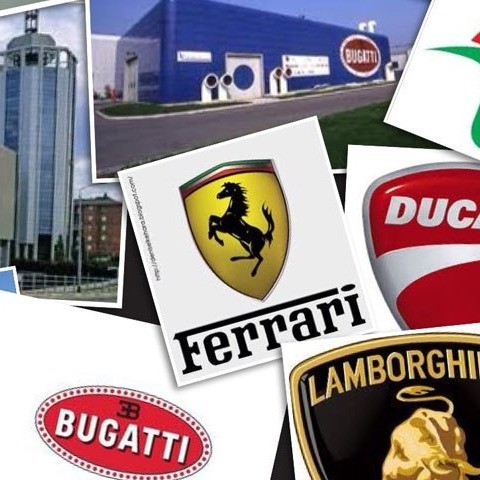
Economics and employment: Italy has a diverse economy including industry, agriculture, tourism and services. The industry includes automotive manufacturing (Fiat, Ferrari, Lamborghini), textile and fashion industry (Gucci, Prada, Armani), mechanical engineering, chemical industry and food and wine production. Agriculture occupies a significant part of the national economy, with Italy known for its vineyards, olive groves and rural landscapes. Tourism also plays an important role in Italy’s economy, attracting millions of visitors each year due to its rich history, culture, art and beautiful scenery.
Religion: Roman Catholic Christianity is the predominant religion in Italy, and the Catholic Church has a significant influence on society and culture. Many Italians consider themselves Catholic and follow Christian customs and traditions. However, the country is also home to a minority of other religious groups, including Protestants, Muslims and Jews.
Local interests: Italians value their culture, traditions and way of life. They are known for their taste for good food, wine and coffee. Spending time at the table with family and friends during lunch or dinner is an important part of the Italian way of life. In addition, Italians are passionate about football, which is considered the national sport, and actively support their favorite teams and participate in football matches and tournaments. Cultural events such as opera performances, concerts, exhibitions and festivals are also popular among the local population. In addition to this, Italians have a rich cultural heritage and often visit historical monuments, museums and art galleries.
Interesting places and attractiveness of Italy
Italy is a country rich in history, culture and nature that attracts millions of tourists from all over the world every year. Here are a few reasons why Italy is an attractive travel destination:
Historical sights: Italy is a real open-air museum. In Rome, tourists can visit the Colosseum, the Pantheon, the Roman Forum and the Vatican Museums with the Sistine Chapel. In Florence, you can enjoy beautiful works of art in the Uffizi Gallery and visit the Cathedral of Santa Maria del Fiore. Venice attracts narrow canals, St. Mark’s Square and ceremonial palaces.
Cultural Heritage: Italy is famous for its rich cultural heritage, including architecture, art, music and literature. Many great artists were born in the country, such as Leonardo da Vinci, Michelangelo, Raphael and Caravaggio, as well as writers and poets, including Dante Alighieri and Giovanni Boccaccio.
Culinary joys: Italian cuisine is famous for its variety and taste. In Italy, you can try authentic dishes such as pasta, pizza, olive oil, fresh seafood, mushrooms, cheeses and wines. The variety of regional culinary traditions makes a trip to Italy a real culinary holiday.
Beautiful nature: From the sunny Amalfi Coast to beautiful lakes such as Como and Garda, Italy delights with its scenic scenery. In Tuscany you can enjoy vineyards and olive groves, and on the island of Sicily you can see the majestic volcano Etna.
Fashion traditions: Italy is considered one of the world centers of fashion and design. Milan has many famous fashion houses, as well as shops and boutiques with exclusive clothing and accessories.
Nice climate: Due to its Mediterranean climate, Italy attracts tourists all year round. In summer you can enjoy the sun and the sea, and in winter - skiing in the Alps.
In general, Italy is a country that offers many diverse and interesting opportunities for tourists: from historical excursions and cultural events to enjoying delicious food and relaxing in nature.
Transport accessibility and level of comfort, accommodation and food in Italy
Italy is one of the most popular tourist destinations in the world due to its rich history, culture, cuisine, natural beauty and hospitality. The country offers a wide range of services and accommodation for different budgets and preferences. Let’s look at the main aspects of tourism in Italy:
Transport: Italy has a developed public transport system, including trains, buses and metro. Traveling around the country by train is a convenient and popular option. Italian Railways (Trenitalia) offers a wide range of routes and service classes. In addition, Italy is known for its landscapes, so car rental is also popular among tourists.
Restaurants and kitchen: Italian cuisine is known all over the world for its diversity and sophistication. From street cafes to world-class restaurants, Italy offers a rich choice for gourmets. Unique local dishes and wines are offered in different regions of the country. Some notable restaurants in Italy include Osteria Francescana (Modena), Da Vittorio (Bergamo), and Ristorante Il Desco (Verona).
Hotels: There are many hotels in different categories in Italy, from luxury five-star hotels to more affordable economy and hostel options. Below are some popular hotels in different price categories:
Expensive hotels: Hotel de Russie (Rome), Belmond Hotel Caruso (Amalfi), Four Seasons Hotel Firenze (Florence).
Mid-range hotels: NH Collection Milano President (Milan), Hotel Palazzo Ognissanti (Florence), Hotel Nazionale (Rome).
Economy class and hostels: Generator Hostel (Venice), Hotel Capri (Rome), Hotel La Residenza (Florence).
Other accommodation options: Apartments and houses are also popular in Italy, especially for families or groups. This gives tourists greater freedom and comfort, especially when staying for a long time or traveling with children.
In general, Italy’s tourist infrastructure is well developed and offers many options for different budgets and preferences. From strolling through historic sites to enjoying exquisite Italian cuisine, Italy is ready to welcome and delight all kinds of travelers.
What to see in Italy
Italy is a country rich in history, culture and nature, so there are many iconic attractions that attract tourists from all over the world. Let’s take a look at some of them and their accessibility:
Colosseum, Rome: This amphitheater, one of the most famous icons of Roman architecture, is located in the center of Rome. Access to the Colosseum is convenient both on public transport (metro, buses) and on walking tours.
Florence: The capital of the Tuscany region and the center of art and architecture. Here you can visit the Uffizi Gallery, St. Mark’s Cathedral and streets with shops and cafes. Florence is easily accessible by train from many Italian cities.
Venice: A unique city on the water, known for its canals, gondolas and squares. It is convenient to use water transport such as ferries and water taxis, as well as rail transport to visit Venice.
Tower of Pisa: The famous leaning tower in the city of Pisa, part of the complex of the Pisa Madonna Cathedral. Pisa is easily accessible by train from Florence or other cities in the region.
Amalfi Coast: The picturesque coast in southern Italy with many beautiful cities such as Amalfi, Positano and Ravello. Access to the Amalfi Coast is by train, bus or rented car from Naples or Salerno.
Pompeii and Vesuvius: Archaeological monuments of the ancient city of Pompeii, buried by the eruption of Mount Vesuvius, as well as the volcano itself. Pompeii is easily accessible by train from Naples, and organized excursions are often used to visit Vesuvius.
Sicily: The largest island in the Mediterranean Sea, known for its archaeological finds, volcanic nature and beautiful beaches. Access to Sicily is provided by aviation (airports in Palermo, Catania and other cities) or by sea transport (ferries from the Italian mainland).
Italy has a developed public transport system, which facilitates access to the main attractions for tourists. Travel around the country can be carried out by trains, buses, ferries and water transport, depending on the destination and preferences of travelers.
Holidays, cultural life and events in Italy
Italy is famous for its many festivals, celebrations and events throughout the year. Here are some of the most popular and characteristic events at different times of the year:
Carnival in Venice (February): This large-scale carnival, held in Venice, attracts thousands of tourists from around the world. Participants in costumes and masks arrange parades, masquerades and other cultural events.
Easter holidays (April): Easter is celebrated in Italy with many religious rites and traditions, especially in the Vatican and other major cities of the country.
Festa della Repubblica (Republic Day) (June 2): This public holiday celebrates the Republic of Italy Day and is accompanied by parades, fireworks and other events.
Italian cuisine and wine: Throughout the year, cuisine and wine festivals are held in different regions of Italy, where you can taste various local dishes and drinks.
Infjorat Festival (June-July): In the city of Spello, this unique festival is held, where the streets are decorated with colorful paintings of flowers and petals.
Palio di Siena (July, August): This famous horse race, which takes place in Siena, attracts many spectators with its atmosphere, passion and traditions.
Verona Arena Lyric Festival (July-September): This opera festival takes place in the Arena di Verona amphitheatre and is one of the most famous events of this genre in the world.
Ferragosta (August 15): This Catholic holiday is celebrated in many Italian cities and is accompanied by festive events and fireworks.
Milan Fashion Week (September, February): Fashion and style play an important role in Italy, and Milan Fashion Week is one of the most prestigious and fashionable events in the world.
These are just a few of the various events and celebrations that take place in Italy throughout the year. Each season brings unique events and opportunities for travelers and tourists.
What weather is best for traveling in Italy
Italy has a diverse climate depending on the region, but in general it is known for its mild Mediterranean climate. Here are some general climate information and the best time to travel to different parts of Italy:
Spring (March-May):
Air temperature: varies from pleasant 15°C to 25°C in different regions.
Water temperature: about 15°C - 20°C.
Spring is a great time to visit Italy as nature comes to life after winter and tourist spots are not yet crowded.
Summer (June-August):
Air temperature: usually varies from 25°C to 35°C.
Water temperature: about 20°C - 25°C.
Summer is the most popular season for tourists due to the warm weather and many events and festivals, especially on the coast.
Autumn (September-November):
Air temperature: approximately 20°C to 25°C.
Water temperature: about 20°C - 25°C.
Autumn is also a pleasant time to travel when the crowds of tourists decrease and the weather remains warm.
Winter (December-February):
Air temperature: varies from 5°C to 15°C in different regions, can be cool and humid.
Water temperature: about 10°C - 15°C.
In winter, Italy can be cool, especially in the northern regions and mountains, but it is also a time for winter sports in the Alps.
The best time to travel to Italy usually depends on your preferences and activities. Summer attracts tourists due to the warm weather and many outdoor events, while spring and autumn offer more relaxed conditions for travel and exploration.
Language of communication, traditions, customs and laws of Italy
Italian is the official language of Italy and most locals speak it. However, in tourist areas and big cities, many people can also speak English, especially in the service sector. Here are some important aspects of culture and rules to consider when traveling to Italy:
Greetings and communication: Greeting in Italy usually involves shaking hands or, in a more informal setting, kissing on both cheeks. When communicating, respect and politeness should be shown.
Clothes: In public places, moderation in clothing is valued. In churches and places of remembrance, it is obligatory to wear clothes covering the shoulders and knees.
Lunches and dinners: Italians pay great attention to food and lunch. Lunches are usually held from 13:00 to 15:00, and dinners from 20:00 to 22:00. Waiters can wait until you finish the meal before bringing the bill.
Tip: In Italy, tipping is not mandatory, but it is welcome. Usually leave about 10% of the bill amount.
Laws and traditions: Local laws and traditions should be respected in Italy. Smoking is prohibited in public places such as restaurants and public transport. Local customs and traditions should also be considered, especially when visiting churches and other religious sites.
Safety: In general, Italy is a relatively safe country for tourists, but it is still worth being vigilant in crowds and on public transport to avoid pickpocketing.
A visit to Italy is a great opportunity to enjoy rich culture, magnificent cuisine and picturesque scenery. Compliance with local customs and traditions will help you respect the local culture and enjoy a pleasant journey.
The main dialogues for traveling in Italy
Here are some basic and useful phrases in Italian that can come in handy when traveling in Italy:
Greetings and communication:
Ciao! Hello!
Buongiorno! - Good morning/day!
Buonasera! - Good evening!
Buona notte! - Good night!
Come sta? - How are you?
Come stai? - How are you?
Sto bene, grazie. E Lei? A lei? - All right, thanks. And you?
Sto bene, grazie. E tu? The one? - All right, thanks. And you?
Shopping and ordering food:
Quanto costa? - How much is it?
Vorrei... - I'd like to..
Un caffè, per favore. - Coffee, please.
Il conto, per favore. - The bill, please.
Dove posso trovare il bagno? (Dove posso travare il baño?) - Where can I find a toilet?
Directions and requests:
Dov'è la stazione? - Where's the station?
Quanto dista...? (quanto dista...?) - How far...
Mi può aiutare? - Can you help me?
Ask for help:
Mi sono perso/a. (mi sono perso/a) - I'm lost/lost.
Ho bisogno di aiuto. (Bizogno di Aiuto) - I need help.
Farewell:
Arrivederci!
Grazie, thank you.
Prego! (prego) - Please!
Scusa!
Mi dispiace. (sighs) - I'm sorry.
Do not hesitate to use these phrases when you are in Italy. Locals will appreciate your efforts to speak their language, even if your knowledge of Italian is limited.
What dishes, medicines and gifts are popular in Italy
Italy is known for its rich culture and traditions, including a variety of culinary dishes, medicinal products and unique souvenirs. Here are some of them:
Food:
Pasta and pizza: Italian pasta and pizza are the symbols of the country. Try different types of pasta such as spaghetti, ravioli, lasagna, and authentic Italian pizzas with traditional toppings.
Olive oil: Italy produces some of the best olive oils in the world. Try local extra virgin olive oil and bring it with you as a souvenir.
Wine: Italy is also known for its wines. Try a variety of wines such as Chianti, Barolo, Brunello di Montalcino, and bring a bottle of your favorite wine with you.
Medications:
Herbs and herbal teas: In Italy, the use of herbs in cooking and for medical purposes is popular. Various herbal blends and teas can be purchased, which can help with improved digestion, sleep and other problems.
Souvenirs:
Ceramics and porcelain: Manual painting of ceramics and porcelain is one of the traditional arts of Italy. Purchase decorated plates, vases or other decor items for your home.
Leather products: Italy is known for its quality leather goods. Buy leather bags, shoes, belts or wallets that will serve you for years to come.
Chocolate and confectionery: Try local chocolate delicacies as well as a variety of confectionery such as traditional Italian limoncello or canoli.
A trip to Italy provides a unique opportunity to immerse yourself in the local culture and enjoy its unique dishes, goods and art. Be sure to bring home some authentic Italian souvenirs to keep the memories of your trip alive.
What to cook for a safe holiday in Italy
Holidays in Italy, as in any other country, require certain precautions, but in general the country is a relatively safe place for tourists. Here are some safety tips for staying in Italy:
Documents and insurance:
Passport: Make sure you have a valid passport with sufficient validity.
Health insurance: Purchase health insurance that covers medical expenses and emergency medical care if necessary.
Travel insurance: Consider purchasing travel cancellation insurance or baggage insurance.
Copies of documents: Make copies of your documents and keep them separate from the originals.
Emergency services:
Police: 112
Ambulance: 118
Fire service: 115
Mobile operators:
In Italy, there are various mobile operators such as TIM, Vodafone, Wind and others. You can purchase a local SIM card for temporary use during your stay.
Duration of stay without leaving the country:
Citizens of most countries can stay in Italy without a visa for 90 days for every 180 days. After this period, you must leave the country or obtain an appropriate visa if you plan to stay longer.
In general, Italy is a relatively safe country for tourists, but as in any other place, one should be careful. Take precautions, keep documents in a safe place, avoid dangerous areas, and act wisely to make your journey enjoyable and safe.
Local currency and customs regulations in Italy
The currency of Italy is the euro (EUR). Here is some useful information about currency and payment methods in Italy:
Exchange rate: The exchange rate of the euro against the US dollar may vary depending on the market situation. It is recommended to check the current exchange rate before traveling.
Payment: Credit and debit cards such as Visa, MasterCard and American Express are widely accepted in Italy. Most shops, restaurants and hotels also accept cash payments. However, in some small stores or markets, cash may be the preferred option.
Customs regulations:
When entering Italy, tourists must declare all amounts of money in excess of 10,000 euros or the equivalent in another currency.
Certain goods such as drugs, weapons, dangerous substances and counterfeit goods are prohibited.
Travelers can bring in personal items such as clothing, jewelry and personal electronic devices without additional duties or taxes.
VAT refund: Some stores offer a Tax Free Shopping system that allows foreign tourists to receive a VAT refund on purchases made in the country. Usually, you need to request a Tax Free check from the seller and present it when leaving the country.
As part of the European Union, Italy follows common customs rules that apply to many other EU countries. It is important to familiarize yourself with the current rules before traveling to avoid trouble when crossing the border.
Country maps Italy
Country tourist maps Italy - routes, attractions and unique objects.
The site uses a web analytics service
Yandex Metrics
using cookie technology to make the site more convenient. You can prevent the processing of cookies in the browser settings.
Details in Privacy policy.


 Vasilenko Antonina Dmitrievn...





 Guide license