The history of Turkey is full of events and has deep roots that stretch over many millennia. Here is a brief overview of the key points of her story:
The territory of modern Turkey was of great importance for ancient civilizations. It was home to such great states as Lydia, Phrygia, Lycia and the Lycian Union, as well as important cities of ancient Greece and the Roman Empire.
Byzantine Empire: In the II century BC, the territory of modern Turkey became part of the Roman Empire. Later, after the collapse of Rome, most of this territory became the Byzantine Empire.
The Ottoman Empire: In the XIV century, the Ottoman Turks began to conquer this area. In 1453 they captured Constantinople (modern Istanbul), which led to the fall of the Byzantine Empire and the beginning of Ottoman rule in the region. The Ottoman Empire became one of the most powerful states of its time, covering much of the Middle East, North Africa, Southeast Europe and parts of Asia.
The collapse of the empire and the establishment of the republic: After World War I, the Ottoman Empire collapsed. Mustafa Kemal Atatürk, a military and political leader, carried out a series of reforms that resulted in the establishment of the Turkish Republic in 1923. Atatürk has made a huge contribution to the modernization and secularization of Turkey by pursuing reforms in education, law, language and culture.
Modern Turkey: Since then, Turkey has undergone numerous political changes and economic reforms. It has become one of the most important countries in the region and in the world as a whole, playing a key role in political, economic and cultural aspects. The country has faced challenges such as internal conflicts, economic crises and relations with its western and eastern neighbors.
Contemporary challenges and prospects: Modern Turkey continues to face a number of complex challenges, including political tensions, economic difficulties, social contradictions and foreign policy challenges. However, the country also has significant potential due to its geographical location, cultural heritage and membership in various international organizations such as NATO.
Overall, Turkey’s history is dynamic and diverse, with millennia of cultural, political and social development that have left their mark on the modern form of this amazing country.
Main activities, religion and interests of the local population in Turkey
In Turkey, the population engages in a variety of activities, from agriculture to modern industry and services. Here are some of the main aspects:
Agriculture: Agriculture plays a significant role in the Turkish economy. Grain crops, fruits, vegetables, olives, cotton, nuts and grapes are produced here. Different regions specialize in different cultures depending on climatic conditions.
Industry: Turkey has a developed industry including automotive manufacturing, textile industry, electronics, mechanical engineering and chemical industry. Many major cities such as Istanbul, Ankara, Izmir and Bursa are centers of industry.
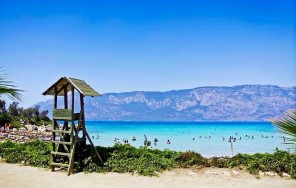
Tourism: Tourism plays a key role in the Turkish economy. Due to its rich cultural heritage, beaches on the Mediterranean and Aegean seas, historical monuments and beautiful natural scenery, Turkey attracts millions of tourists from different countries every year.
Religion: The majority of the population of Turkey is Muslim. The main trend of Islam in Turkey is Sunni Islam. Turkey is a secular state, which means that state institutions remain separate from religion. However, Islam plays a significant role in the cultural life of the country.
Culture and interests: The local population of Turkey appreciates its cultural heritage, including traditional music, dance, cuisine and folk crafts. Modern Turks are also interested in sports, cinema, music and literature. The country has a rich cultural scene where various events, festivals and exhibitions are held.
Interesting places and attractiveness of Turkey
Turkey is an amazing country with many attractive features for travelers and tourists. Here are some of the main aspects that make Turkey a popular destination:
Historical Heritage: Turkey is rich in historical monuments such as ancient cities, ancient temples and monuments, fortresses, medieval castles and magnificent mosques. Among the most famous places are Istanbul with its Blue Mosque and Istanbul Topkapi Palace, Ephesus with its amphitheatre and library of Kelsos, as well as Pamukkale with its thermal springs and snow-white terraces.
Cultural diversity: Turkey is a country where different cultures and traditions mix. This is reflected in its architecture, cuisine, music, dance and crafts. Tourists can enjoy fine Turkish cuisine, visit traditional bazaars and craft workshops, and see a variety of cultural events and festivals.
Natural beauty: Turkey offers a variety of natural landscapes, including beautiful beaches of the Mediterranean and Aegean Seas, the Taurus and Pontic Mountains, fertile valleys and picturesque lakes. You can also visit amazing natural attractions such as Cappadocia with its rock formations and a city carved into the rock, or the hot springs of Pamukkale.
Tourism Infrastructure: Turkey offers a variety of accommodation options, ranging from luxury seaside resorts to cozy guesthouses in historic cities. Tourists can also enjoy a wide range of entertainment and outdoor activities, including water sports, mountain hiking, ski resorts and more.
Accessibility and security: Turkey is an affordable and relatively inexpensive travel destination, attracting tourists from all over the world. With its welcoming atmosphere and good tourist infrastructure, Turkey provides a safe and comfortable journey for visitors.
In Turkey, you will be welcomed. private guides And they'll offer you a copy. individual tourseh travel agencies Turkey will offer its services and organize tour Interesting excursions for travelers.
Transport accessibility and level of comfort, accommodation and food in Turkey
Transportation, restaurants, hotels and other services in Turkey offer a wide range of options for different budgets and preferences. Here is a brief description of service levels and some examples of popular locations:
Transport:
Public transport: Major cities such as Istanbul, Ankara and Izmir have a well-developed public transport network including subways, buses, trams and funiculars.
Taxi: Taxis in Turkey are affordable and relatively inexpensive compared to some other countries. However, it is always recommended to use licensed taxis and negotiate the price in advance.
Restaurants:
Expensive restaurants: Turkey offers many upscale restaurants specializing in Turkish and international cuisine. Examples include Michelin restaurants such as Mikla in Istanbul.
Mid-range restaurants: In most cities and resort areas, you can find many middle-class restaurants with a variety of menus and affordable prices.
Street food and cafe: Turkey is famous for its delicious street food and cozy cafes. Visitors can enjoy a wealth of local delicacies such as kebab, meze and eggplant puree.
Hotels:
Expensive hotels and resorts: Turkey offers luxury seaside resorts where guests can enjoy high levels of service, spa treatments and various entertainment. Examples include Rixos Premium Belek and Hillside Beach Club.
Mid-range hotels: Mid-range options are available throughout the country and offer comfortable rooms, basic services and good value for money.
Hotel and hostel economy: For budget travelers, there are many affordable hotels and hostels in Turkey with simple yet comfortable rooms and common amenities.
Other accommodation options:
Rent of apartments and houses: In popular tourist areas, apartments or houses can be rented for short periods, which is especially convenient for families and groups of friends.
Guesthouses and boarding houses: Turkey is known for its cozy guest houses and boarding houses where guests can enjoy the authentic atmosphere and hospitality of the local hosts.
Overall, Turkey offers a variety of accommodation and service options suitable for different budgets and traveler preferences.
What to see in Turkey
Turkey offers a huge number of attractions that attract millions of tourists from all over the world every year. Here are some of the main attractions and information about transport accessibility:
Istanbul:
The Blue Mosque (Blue Mosque) and the Istanbul Topkapi Palace are located in the historic center of Istanbul, in the Old Town (Sultanahmet). They are easily accessible by public transport (metro, tram, bus).
The Hagia Sophia Temple is another historical landmark located near the Blue Mosque.
The Bosphorus Bridge and a walk along the Karaka waterfront.
Cappadocia:
Unique rock formations and underground cities. Most tourists come to Cappadocia by bus from cities such as Ankara or Goreme, or by rented cars.
Balloons are a popular way to see Cappadocia’s landscapes from above.
Ephesus:
The ancient city of Ephesus is located near the town of Selcuk, in western Turkey. You can take a train from Istanbul or Ankara or rent a car.
In Ephesus you can see the ancient amphitheater, the library of Kelsos and the temple of Artemis.
Pamukkale:
Hot thermal springs and white terraces of carbonate calcium. Pamukkale is located in the southwestern part of Turkey, near the city of Denizli. You can take a bus from Istanbul, Ankara or Izmir.
Antalya:
Ancient Theatre of Aspendos, Old Town and Yuksekova Harbour. Antalya is a popular resort town in southern Turkey. From Istanbul or Ankara, you can reach Antalya by plane or bus.
Troy:
The archaeological complex of Troy is located in northwestern Turkey, in the province of Çanakkale. You can get there by bus or rented car from Istanbul or Izmir.
Turkey has a well-developed transport infrastructure, which makes visiting its sights relatively easy and convenient. Many of these places are accessible both by public transport and by rented cars or with excursion groups.
Holidays, cultural life and activities in Turkey
Turkey hosts many festivals, festivals and events throughout the year. Here are some of them, given the time of year:
Winter (December to February):
New Year's Day: New Year is celebrated in Turkey on a large scale, especially in major cities such as Istanbul and Ankara. Many restaurants, clubs and hotels hold special events and parties.
Festival of Lights in Cappadocia: Cappadocia hosts festive events with fireworks and lighting rock formations, creating a breathtaking atmosphere.
Spring (March-May):
Novruz: Novruz is a spring holiday celebrated in various countries, including Turkey. It is a time of celebration and fun, with traditional musical and dance performances.
Istanbul Tulip Festival: Every spring, Istanbul hosts a tulip festival, when the city's parks and squares are decorated with millions of tulip flowers.
Summer (June - August):
Festival of Culture and Art in Bodrum: This festival offers a wide range of activities including concerts, exhibitions, theatre productions and master classes.
Balloon Festival in Pamukkale: Pamukkale hosts a festival of hot balloons, where thousands of balloons take off into the air, creating a unique spectacle.
Autumn (September to November):
International Jazz Festival in Istanbul: This festival attracts many famous musicians from different countries, offering a unique opportunity to enjoy jazz music.
Kekov and Simena Festival in Antalya: This festival presents the history and culture of the region through exhibitions, master classes and traditional performances.
This is just a small overview of the holidays and activities in Turkey, and depending on the region, you can find many other interesting events throughout the year.
What weather is best for traveling to Turkey
Turkey has a diverse climate depending on the region, but in general there are four main seasons: spring, summer, autumn and winter. Here is a brief description of the climate and recommendations for seasons to travel:
Spring (March-May):
Spring in Turkey is usually very pleasant and comfortable. Daytime air temperatures usually range from 15°C to 25°C, depending on the region.
The water in the Mediterranean and Aegean at this time of year is usually cold enough for swimming, around 16-20°C.
Spring is a good time to visit historic sites and attractions, as tourist sites are not yet crowded.
Summer (June - August):
Summer in Turkey can be very hot, especially in southern regions such as Antalya and Bodrum. Daytime temperatures can reach 30°C or higher.
The water in the sea warms up to comfortable temperatures for swimming, on average about 25-28 ° C.
Summer is the ideal time for beach holidays and water sports such as diving and surfing.
Autumn (September to November):
Autumn in Turkey is usually warm and sunny, especially at the beginning of the season. Daytime air temperatures are about the same as in spring.
The water is still warm enough for swimming, especially in September and the first half of October.
Autumn is also a good time to visit historical and natural attractions.
Winter (December to February):
Winter in Turkey can be cool, especially in the northern regions and mountains. Daytime air temperatures are usually around 10-15°C.
In some regions, such as Cappadocia and mountainous areas, snow can be found.
Winter is a great time to visit ski resorts in the mountains, such as Uludag in Bursa or Ertsia in Antalya.
The best time to travel to Turkey depends on your preferences and planned activities. If you prefer a beach holiday, then summer is the perfect time. For exploring historical sites and outdoor activities, spring and autumn are also great.
Language of communication, traditions, customs and laws of Turkey
In Turkey, the official language is Turkish. However, in tourist areas, especially in major cities and resort areas, many people, especially in the service sector, speak English or other foreign languages such as German or Russian. Here are some useful tips on how to observe traditions, customs and laws when traveling to Turkey:
Respect for local culture and religion: Turkey is a Muslim country and religion plays an important role in the daily lives of the local population. Be respectful of local customs and religious practices, especially in mosques and sacred places. For example, when visiting a mosque, it is necessary to observe the rules of decency: take off your shoes before entering, dress modestly (women should cover their heads and shoulders), and behave calmly and respectfully.
Communication and behaviour: Turks are generally friendly and welcoming to foreign visitors. When dealing with locals, try to be polite and respectful. Remember that hand-in-hand and hugging between men and women in public is not common.
Security and laws: Follow local laws and safety regulations. For example, in public places, alcohol and smoking are prohibited in some areas. You should also be careful with photographing military installations and government agencies.
Trade and purchase: In local markets and shops it is customary to bargain. Feel free to bargain for the price of goods, but remember that this should be done with respect and friendliness.
Planning visits to local events and festivals: Turkey is known for its many cultural and religious festivals. Keep in mind that during some of them (e.g. Ramadan) some establishments may be closed and the work schedule may be changed.
Remember that polite and respectful behavior helps to create a pleasant atmosphere and improve your travel experience in Turkey.
The main dialogues for traveling in Turkey
Here are some basic local words, phrases, and dialogues in Turkish that can be helpful when traveling to Turkey:
Greetings and general phrases:
Merhaba! Hello!
Nasılsınız? (Naslynyz) - How are you?
Teşekkür ederim. (Teshekur Ederim) - Thank you.
Lütfen. - Please.
Pardon, İngilizce konuşabilir misiniz? (Pardon, ingilizje conusabilier misiniz?) - Excuse me, can you speak English?
At the restaurant:
Bir masa için rezervasyon yaptırmak istiyorum. (Bir masa ichin reserve yaktyrmak istyorum.) - I'd like to make a reservation.
Menü lütfen. (Menu lutphen) - Menu, please.
Bu neyin parası? (Bu Neyin Paraga?) - How much does it cost?
Hesap lütfen. (Hesap lutfen) - Check, please.
In the store:
Ne kadar? (Not Kadar?) - How much is it?
Bu ne? - What is it?
Bir tane alabilir miyim? (Bir tane alabil miyim?) - Can I have one?
Kredi kartı kabul ediyor musunuz? (Credit karda kabul edyor musunuz?) - Do you accept credit cards?
In transport:
Otobüs nerede? (Otobius nerede?) - Where's the bus?
Kaç para? (Paraga pumping) - How much is the ticket?
Isstasyon nerede? (Istanon Nerede?) - Where's the station?
Burası benim durağım. (Burases benim stupid.) - This is my stop.
In an emergency:
Yardim edin! (Yardy Edin!) - Help me!
Ambulans çağırın! (Ambulance Chagyrin!) - Call an ambulance!
Polis çağırın! (Polis Chagyrin!) - Call the police!
Remembering and using these phrases will help you communicate with locals and make your trip to Turkey more enjoyable and comfortable.
What dishes, medicines and gifts are popular in Turkey
Turkey is known for its diverse cultural heritage, including cuisine, medicinal products and souvenirs. Here are some unique and useful things to buy while traveling in Turkey:
Food:
Baklava: This is a traditional Turkish sweet dish consisting of layered dough, nuts and syrup. Baklava is often sold in pastry shops and bazaars.
Turkey is famous for its tea, which is drunk on almost every corner. Especially popular apple and pomegranate tea.
Spices: Turkey is famous for its fragrant spices such as red pepper, mint, oregano and cumin. They can be bought at local bazaars or in specialty stores.
Medications:
Honey and honey products: Turkey produces high-quality honey and other bee products such as propolis and beeswax.
Olive oil soap: Turkish soap is made from natural ingredients, including olive oil, and is known for its medicinal properties for the skin.
Souvenirs:
Carpets: Turkey is known for its luxurious oriental carpets, which can be purchased at local bazaars. They are perfect as a long-term souvenir.
Ceramic dishes: Turkish pottery has a rich history and today it can be found in the form of various items, including plates, vases and jewelry.
Silk scarves and handkerchiefs: Turkish silk products such as scarves and scarves are often decorated with traditional patterns and motifs.
Other items:
Dates: Turkey produces delicious and fragrant dates that can be a wonderful souvenir or a delicious treat for friends and family.
Oranges and pomegranates: Turkey is known for its juicy fruit, so bring home some fresh oranges or pomegranates to enjoy their flavor and aroma.
When choosing souvenirs and items to buy, make sure they comply with customs regulations and can be legally imported into your country.
What to cook for a safe holiday in Turkey
The safety of your holiday in Turkey, as in any other country, is an important aspect of your trip. Here are some tips and tips to help ensure your safety while in Turkey:
Documents:
When visiting Turkey, you must carry a passport that must be valid for at least 6 months after the end of your stay.
Some nationalities may also require a visa to enter Turkey. Make sure you are familiar with the visa requirements for your country.
Insurance:
It is recommended to have health insurance that covers the costs of medical services and emergency medical care if necessary. It is also useful to have travel cancellation insurance and loss of luggage.
Emergency telephones:
The number of emergency services in Turkey is 112. This number is valid for calling the police, ambulance and fire service.
Police number 155 and ambulance number 112 are also available.
Mobile operators:
There are several mobile operators in Turkey, such as Turkcell, Vodafone and Turk Telekom. Make sure your mobile phone can roam to be connected to the local network.
Safety in public places:
Be vigilant in public places, especially in crowds and transportation.
Keep an eye on your valuables and keep them in a safe place so they are not accessible to pickpockets.
Extension of stay:
Depending on your nationality and the purpose of the visit, tourists can usually stay in Turkey without leaving the country for a certain period of time. For most countries, this period is 90 days for every 180 days.
Check the length of stay and possible visa restrictions for your country before traveling.
It is important to follow these guidelines and remain vigilant while traveling. Keep in mind that taking care of your own safety is a key aspect of a pleasant and safe holiday in Turkey.
Local currency and customs regulations in Turkey
The currency of Turkey is the Turkish lira (TRY). Here is some information about local currency and customs regulations:
Exchange rate:
The exchange rate of the Turkish lira against the US dollar and other currencies may vary depending on the economic situation. It is recommended to check the current exchange rate before traveling.
Usually, the exchange rate of the Turkish lira to the dollar fluctuates around 7-9 lira for 1 dollar.
Calculations:
Major tourist areas and major cities in Turkey accept credit cards such as Visa and Mastercard. However, in small shops, markets and small towns, cash may be the preferred method of settlement.
Remember that there may be fees for servicing or converting currency when paying with a credit card, so check with your bank before you travel.
Customs regulations:
Travelers to Turkey must comply with customs regulations regarding the import and export of goods.
General rules include restrictions on the import and export of currency. Under Turkish law, travelers are entitled to import and export an amount not exceeding the equivalent of $10,000 without a declaration.
It is prohibited to import drugs, weapons, large sums of cash without a declaration, as well as certain foodstuffs and agricultural products.
It is recommended to familiarize yourself with the current customs regulations of Turkey on the official websites of customs services or embassies. Compliance with customs rules will help to avoid trouble and simplify the process of crossing the border.
Country maps Turkey
Country tourist maps Turkey - routes, attractions and unique objects.
The site uses a web analytics service
Yandex Metrics
using cookie technology to make the site more convenient. You can prevent the processing of cookies in the browser settings.
Details in Privacy policy.


 Watansever Mertkan


 Guide license

 Guide license
 Guide license
 Guide license
 Guide license
 Guide license


